

How to get adults and children back into a routine progressively
The return to routine after the holidays can be done little by little. Find out how to adapt at home with simple habits for adults and children.

Why it's so hard to get back into a routine after the holidays
Holidays allow us to enjoy everyday life with greater freedom. The schedules are flexible, as are the routines which, in summer, are usually less strict and demanding. The return from the holidays implies resuming responsibilities, commitments and schedules and, during this transition, both adults and children may experience some difficulty, as the change of rhythm forces the body and mind to readapt. During the first few days it is common to feel more tired and even less motivated, But, by applying small simple habits at home gradually, you will reduce the stress that a return to normality can entail.

Tips for a more bearable return with the family
Getting back into a routine is not that complicated (if you know how to do it). The key is to establish a period of adaptation for the whole family and incorporate daily habits gradually. For the little ones, the role and example of their parents is essential.
- Resuming schedules is vital. The first step is to progressively return to family schedules. It is recommended to progressively advance bedtime and getting up a few days before returning to the routine, as well as recovering the usual schedules of the different meals of the day. Time adjustment is key to adaptation.
- Planning the week will bring back order. To reduce stress in the first few days, it is important to regain organization and schedule activities and tasks.
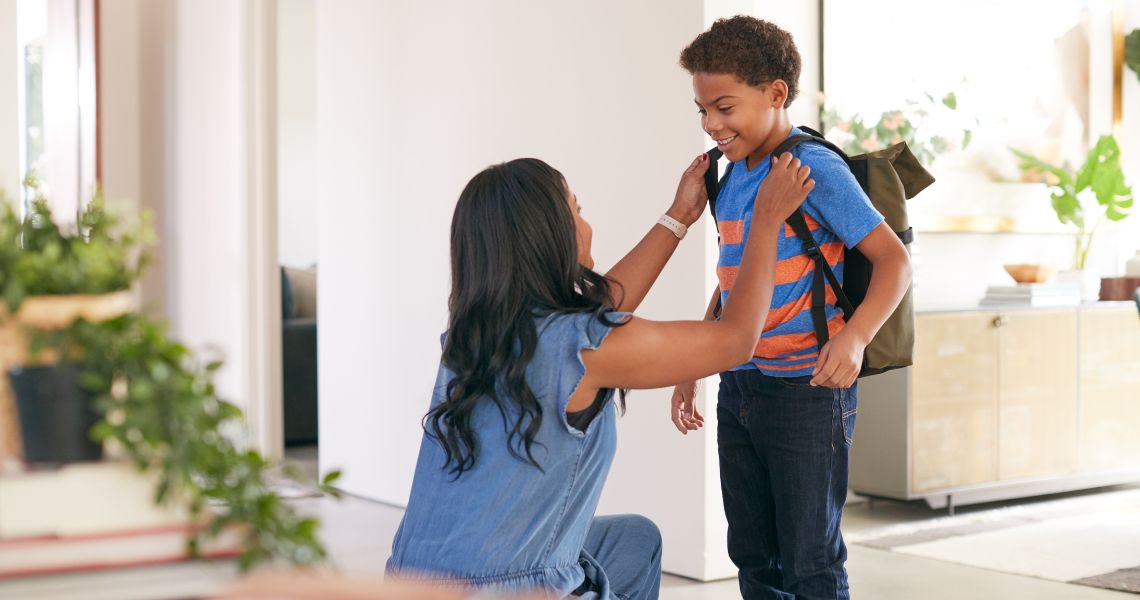
- Preparing the return in advance will help you to adapt. Don't leave the preparations for the return to routine until the last minute: Organize everything you need to resume the obligations in advance (backpacks and materials for school, change of clothes...) and make sure you all get involved to do it together.
- Recover healthy habits in order to be able to face the return with great vitality. A balanced diet, good hydration and physical activity are vital to recover energy and improve rest, key drivers to feel vitality again.
- Keeping a positive attitude will help you focus on what’s good about coming back. Talk about the positive aspects of the return to make the transition easier: reuniting with friends, starting new projects, family reconciliation…
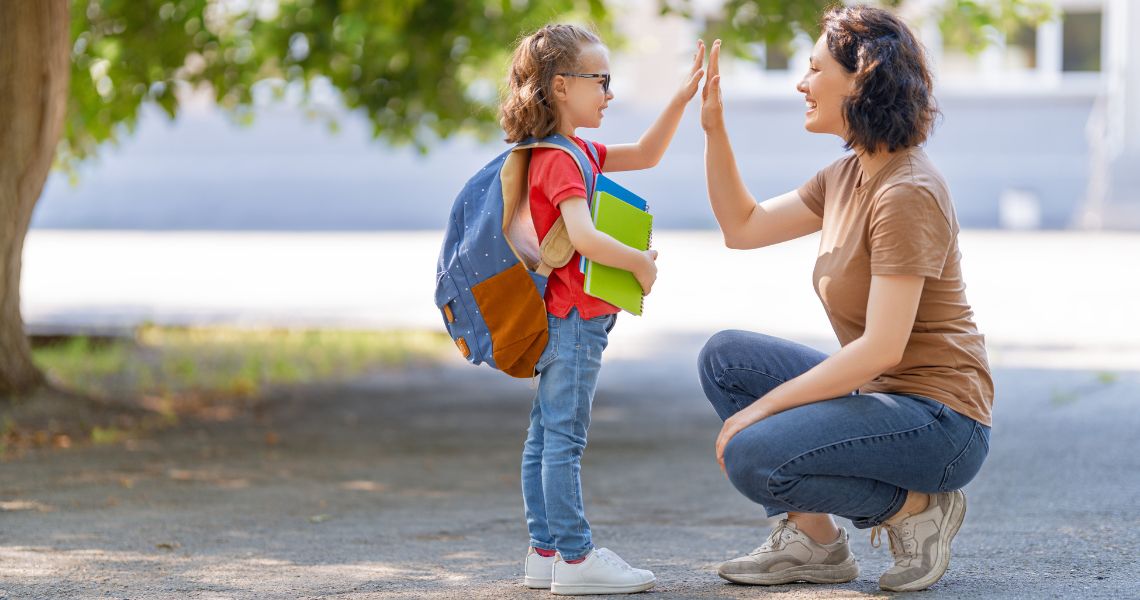
The importance of routines for children and adults
Routines are essential during all stages of life; they provide stability, organization and well-being on a day-to-day basis. In children, they promote safety and learning and foment their autonomy and better emotional regulation, which is key to their development. In adults, they help to manage time better, promote productivity and contribute to reducing stress. Recovering routines little by little after the summer holidays help create a calmer adaptation to the return to normality.
The cost of September
But, if for children "back to school" is upsetting, for parents it can be as well. For many families with children of school going age, the biggest expense of the year after January is in the month of September. During the holidays we have already spent a lot of money and now our pockets will have to cope with the expenses of a new school year.
The household budget goes through the roof this month and, according to consumer organisations, the start of year has an average cost of 860 euros per child, although there are huge differences depending on the type of school, the level of education and especially the place of residence. Therefore, the total cost for families can range from 500 to 1,500 euros.
In order not to spend more than what we really need, it is advisable to make a list of things that are really necessary and try to stick to it closely. As far as possible, we should avoid going shopping with the child, unless we want them to try on clothes. We must also take special care with their backpack, because it is very important that it fits well to their body, to avoid possible back problems.
It is advisable to vary andstagger purchases, because children do not need all their material on the firstday. And, above all, we must try to do without brands or following the latestfashions, as this can save up to 30%.
The importance of a good diet
According to the latest data from the National Institute of Statistics (INE), the World Health Organization (WHO) and the Spanish Society for the Study of Obesity (SEEDO), 18.67% of children in Spain are overweight and 8.94% are obese. There are many factors that cause this excessive weight, but the habits of each child influence it considerably: a lack of exercise and poor diet are the main causes.
The first step to helping children to acquire healthy habits is to observe their parents' example. Young people learn many behaviours by copying what they see, so if we want them to learn to eat a little of everything and perform activities that are beneficial to their health, we must teach by example.
We must bear in mind that both children and adults should eat 5 meals a day for a balanced diet. We can take advantage of the holidays to teach children to eat breakfast properly. When we have already started the year, between the haste and the early mornings, we can neglect the first meal of the day, which should provide us with 20 to 30% of the daily calories we need.
Breakfast is essential and should include dairy (milk or yogurt), cereals and a piece of fruit instead of baked goods. In addition to contributing to our children’s better physical and cerebral performance, we will help prevent them from developing bad habits that can lead to problems with being overweight or obese.
Mid-morning, it is best for children to have a sandwich to help give them a balanced diet.
As for lunch, carbohydrates, such as potatoes, pasta or bread, and some protein-rich food, such as meat, fish or eggs should be the basis of the meal, plus a serving of vegetables or salad. For dessert, it is advisable to have a piece of fruit or a dairy product.
For the afternoon snack, a small roll, a piece of fruit or a dairy product are essential and we should not forget to include them.
And for dinner, it's just a matter of supplementing the day's diet. To do this, just take into account what we and our children have eaten at midday, and try to cook a complementary food for dinner.

What do you think about?
Share comments, opinions and tricks with the Community