

Types of ice cream and their conservation
Discover the different types of ice cream that exist and how to preserve them correctly. Cream, milk, sorbet and many others that you can not miss this summer.

When we think of summer, one of the first images likely to come to mind is an ice cream. Ice cream is undoubtedly one of the most popular desserts around the world, especially during the summer months. There are numerous types of ice cream that vary in flavour, texture, and presentation.
Most popular ice cream flavours and current trends
Nowadays, ice cream is no longer just a sweet treat but offers a field of innovation where tradition and experimentation coexist in each spoonful.
Chocolate, vanilla, strawberry and caramelized milk continue to be among the essential flavours, real favourites that dominate the display cases year after year. Added to these are fruit flavours such as mango, lemon or red fruits, highly valued for their freshness and lightness.
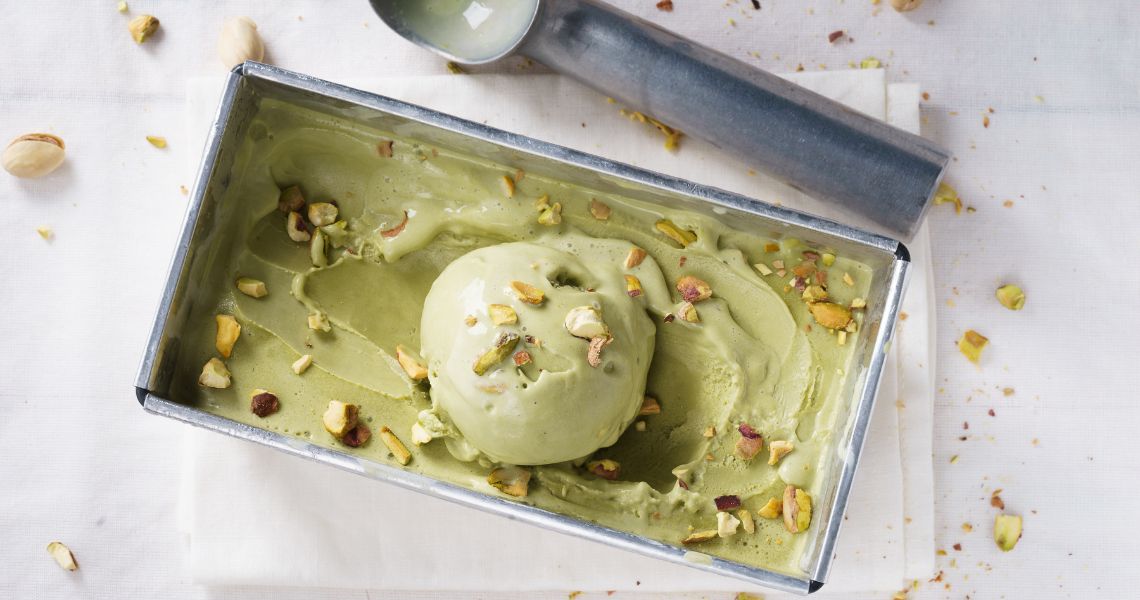
Tradition coexists with an increase in flavours that are becoming more and more popular. A clear example is pistachio, which is consolidating itself as the star gourmet flavour, while matcha or yuzu bring Asian influence to the ice cream parlour. At the same time, healthy versions are on the rise: sugar-free ice creams, high in protein or made with natural and local ingredients, along with increasingly creative vegan proposals.

Types of ice cream: which ones exist and how they differ
Ice cream goes far beyond the classic cone. There are different types and each one is differentiated by its ingredients and texture.
Sorbet
It is one of the lightest and most refreshing versions. It is mainly made with water, sugar and fruit flavourings or juices, with hardly any fat or dairy ingredients. Unlike cream ice cream, its texture is grainier and less creamy, making it an ideal choice for hotter days. The classic ice lollies or granitas would fall into this category.

Sugar-free ice cream
It is designed for people who need to control their sugar intake. Artificial sweeteners or sugar substitutes are used to sweeten them.
Yoghourt ice cream
It is made with yoghourt instead of cream. It has a slightly acidic taste and is a healthier option than traditional ice cream. To preserve yogurt ice cream, it is advisable to store it in the freezer at very low temperatures and consume it within a short period, as it tends to harden quickly.
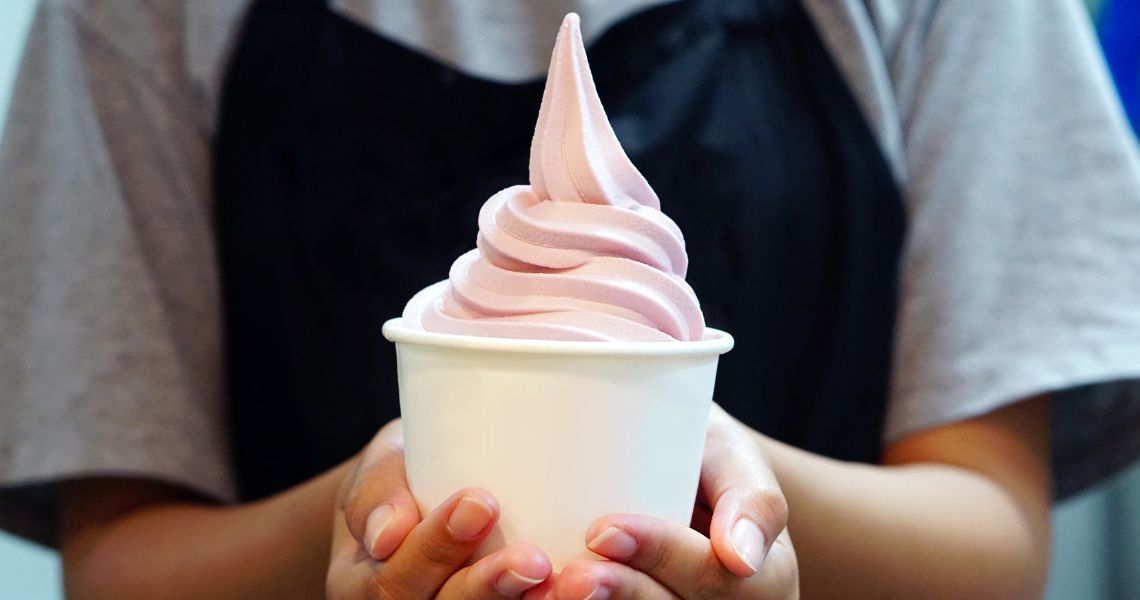
Ice cream
It is the most traditional. It is made with milk or cream and has a dense and creamy texture. To store it properly, it is important to keep it at very low temperatures; ideally at -18°C, which prevents ice from forming on the ice cream and helps maintain its original flavour and texture.
Ice cream preservation: keys to maintaining its texture and flavour
When consuming ice cream, we must bear in mind that its correct conservation is essential to maintain quality:
- Keep ice cream in the freezer at a constant temperature of -18°C or below to prevent ice crystals from forming and maintain its quality.
- Avoid frequent temperature changes in the freezer, as this can affect the texture and taste of the ice cream.
- Always store homemade ice cream in airtight containers to prevent the absorption of unwanted smells and flavours.
- Once partially thawed, do not freeze it again afterwards, because it can affect its quality and cause bacteria.
- Use insulated bags or containers when transporting them to keep them cool during the journey.
What do you think about?
Share comments, opinions and tricks with the Community