

Wooden or plastic chopping board: which is best and most hygienic?
Wood or plastic? Discover which chopping board is most hygienic and safe for your kitchen. We tell you about the pros, cons, and how to disinfect them.

Wood vs. plastic: pros and cons of each material
If you’re torn between a wooden or plastic chopping board, the following are the key points for each type:
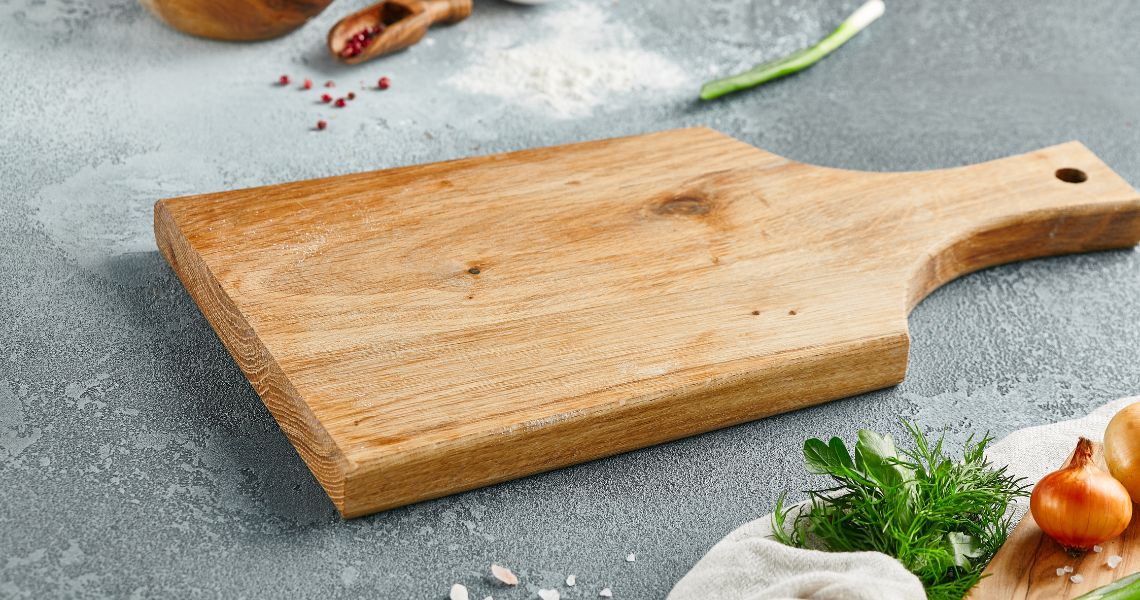
Wooden boards
These are sturdy and long-lasting, especially if made from hardwood. They are also gentler on knife blades and may have a certain antimicrobial effect. On the downside, they are porous, and therefore, food residue can build up in the grooves over time and with use. Because of this, they need more care and shouldn’t be washed in the dishwasher.
Plastic boards
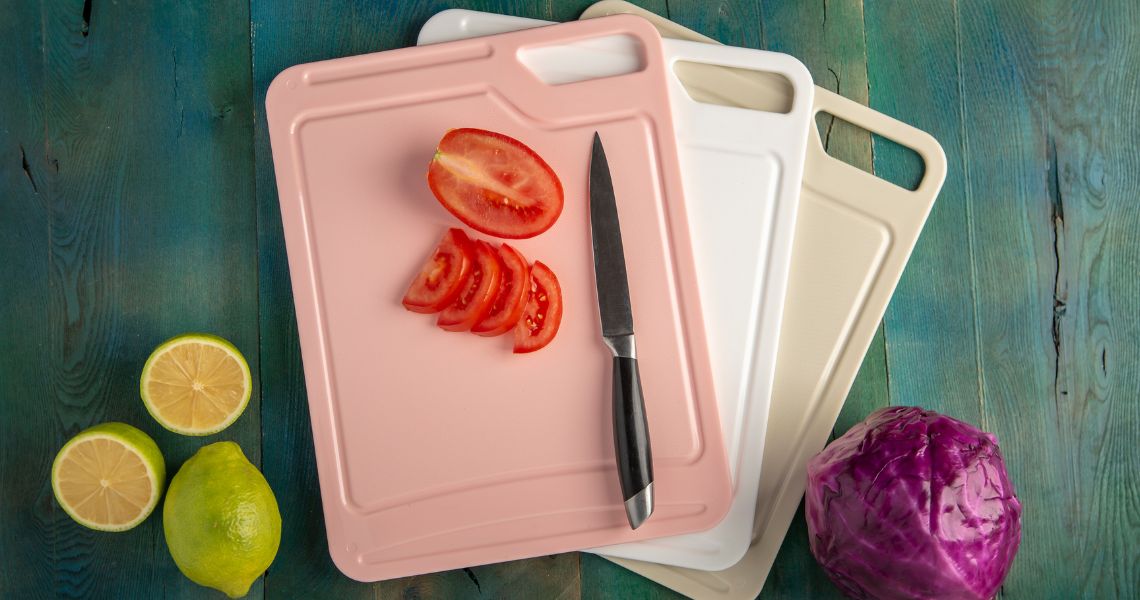
These are lightweight, inexpensive, and very practical for everyday use. They can be washed in the dishwasher, which makes cleaning easier. However, they tend to wear out sooner.
Which chopping board is more hygienic, according to science?
Although plastic is often thought to be the safer option, some studies have found that bacteria remain more exposed on the surface on plastic chopping boards, whereas on wood they can become trapped and become inactive over time.
In practice, there is no major difference between the two if they are cleaned properly. What really makes the difference is the condition the board is in. Therefore, once a board is badly damaged or worn with deep grooves, it is no longer safe, regardless of the material.
How to avoid cross-contamination when using your chopping boards
To avoid cross-contamination, using separate boards for raw and cooked food is advisable, washing the board after every use, especially after cutting meat or fish, avoiding using the same knife on different foods without cleaning it in between and, if possible, using colour-coded boards for each type of food.
Tips for cleaning and disinfecting your chopping board (wood and plastic)
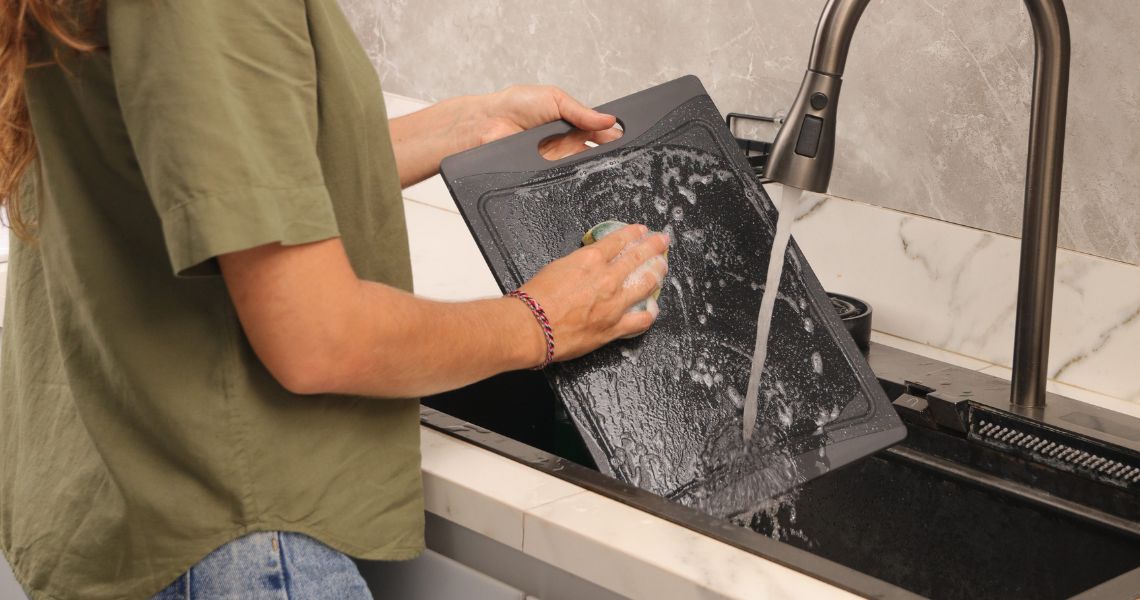
For everyday use, simply washing the board, whether wood or plastic, with hot water and soap and drying it thoroughly to prevent moisture is enough. However, if it has been used for raw meat or fish, it is best to disinfect it more thoroughly, using food-grade bleach on plastic boards or gentler alternatives such as vinegar or lemon with salt on wooden ones. Whatever the material though, if the board has deep grooves or is visibly worn, it is best to replace it.
In short, there’s no perfect material: each one has its place depending how it is used in the kitchen. Consequently, it is often best to have more than one board in the kitchen and to use them according to the type of food or task.
What do you think about?
Share comments, opinions and tricks with the Community