
Fluid retention: causes, symptoms and how to relieve it
Do you suffer from fluid retention? Learn why this happens and find out the best home remedies and habits to relieve swelling in your legs.

There are days when your shoes seem to shrink, socks leave a deeper mark than usual and your legs are heavy, tired and feel swollen by nightfall. It is easy to think that it is simply a matter of “fluid retention”. However, although this expression is used daily, there can be very different reasons for a swollen leg.
The accumulation of fluid in tissue, medically known as oedema, is especially common in the feet, ankles and legs. It can occur after spending many hours sitting or standing, after a particularly salty meal or during pregnancy, but it can also be related to certain medications, venous problems or diseases that affect the heart, kidneys, or liver.
Rather than looking for a magic formula to eliminate fluid retention, the important thing is to identify what may be causing it and adopt habits that favour good circulation. Let’s see what can be done on a day-to-day basis to relieve this annoying sensation.
Why does fluid retention occur in the legs?
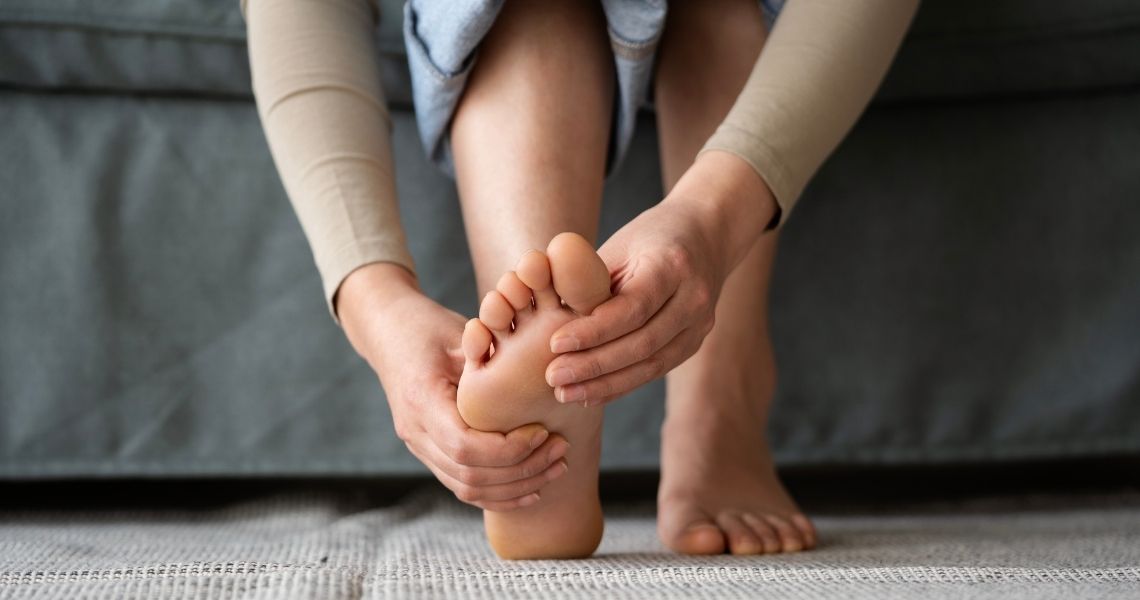
One of the most common causes of fluid retention in the legs is staying too long in the same position. Sitting or standing for many hours makes it difficult for blood to return from the legs to the heart and can cause fluid to accumulate in the tissues, especially in the ankles and feet.
Food, on the other hand, also plays an important role. High salt intake causes the body to retain more water, so it is advisable to moderate sodium and prioritize fresh foods such as fruits, vegetables, legumes and greens over ultra-processed products, cold meats, salty snacks or ready meals, which tend to concentrate a higher amount of salt. Keeping yourself well hydrated also helps the body regulate its fluid balance.
However, swelling is not always related to these lifestyle habits. Pregnancy, some medications, venous insufficiency, or certain diseases that affect the heart, kidneys, liver, or lymphatic system can also cause oedema. In some cases, when gently pressing on the swollen area, a small mark or dimple may remain on the skin for a few seconds.
If the swelling occurs suddenly, affects a leg or is accompanied by intense pain, redness or difficulty breathing, it is advisable to consult a health professional as soon as possible.
Most common symptoms of tired leg syndrome
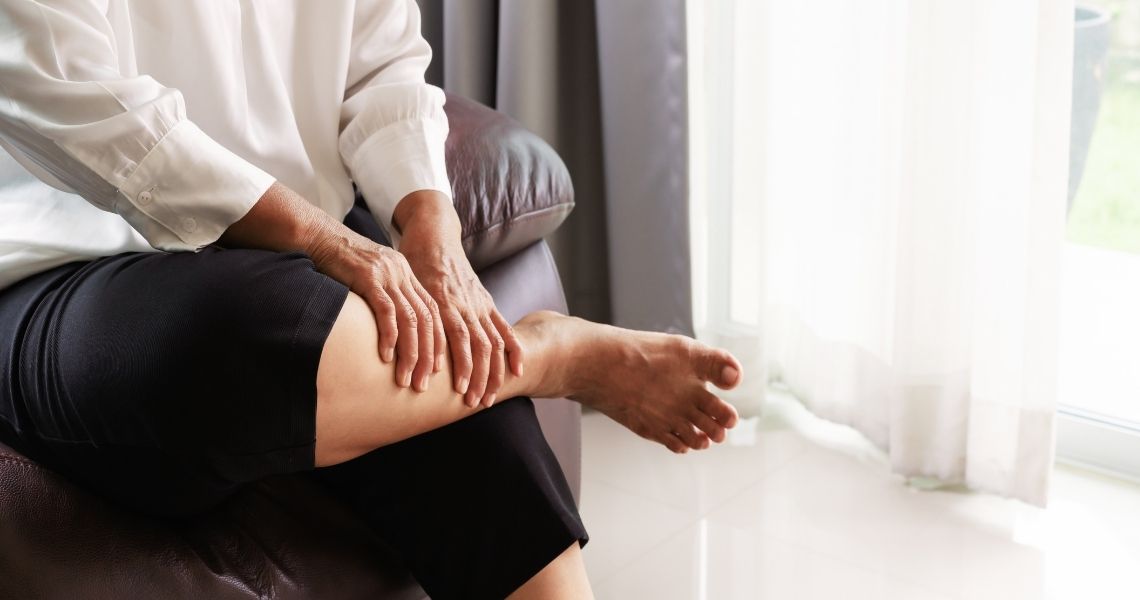
The feeling of having tired legs does not always mean there is a major problem. However, when this occurs recurrently, especially at the end of the day, it can be accompanied by signs related to poor venous circulation.
Among the most common signs of discomfort are the following:
- Heaviness and tiredness in the legs.
- Swelling, especially in the ankles and feet.
- Feeling of tightness or tension in the skin.
- Cramping or discomfort in the legs.
- Appearance or increased visibility of varicose veins.
- Symptoms that worsen after prolonged standing or sitting.
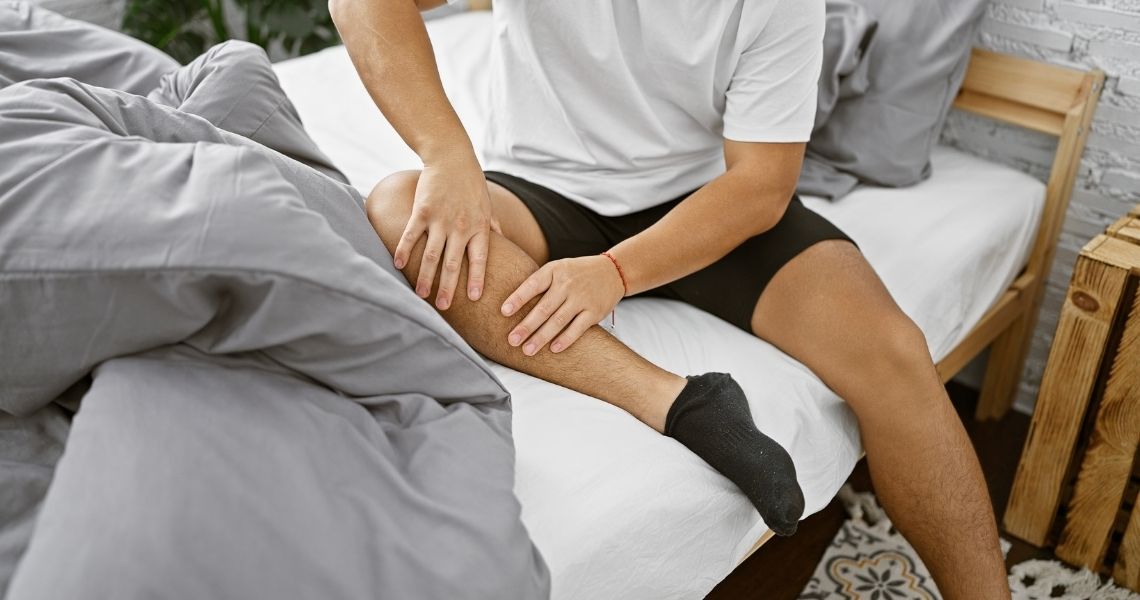
Venous insufficiency is one of the possible causes of oedema in the lower extremities. When the veins have difficulty supporting the return of blood to the heart, blood can pool between the legs and contribute to the appearance of swelling and a feeling of heaviness.
The heat can make this discomfort more apparent, which is why many people notice that their legs are especially heavy during the warmer months. Staying active and avoiding spending long periods in the same position are simple measures that can help.
Of course, it should be noted that “tired legs” is not synonymous with fluid retention. They are related concepts but not equivalent. One thing is the feeling of heaviness and another is the objective presence of oedema.
Diuretic foods that help reduce bloating
No single food can eliminate oedema caused by disease, and there is no miracle diet to make fluid retention disappear. What can be useful is to adopt a healthy diet and, in particular, moderate salt consumption. As said above, fruits, vegetables, pulses and other fresh foods fit well into a balanced diet and, in addition, they usually provide potassium, a mineral that helps counteract some of the effects of sodium on blood pressure.
Among the options that we can easily include in the shopping trolley are:
- Fresh, varied and seasonal fruits and vegetables, like watermelon, melon, strawberries, pineapple or citrus fruits, which provide water, vitamins, minerals and fibre and contribute to a balanced diet.
- Vegetables, including asparagus, artichokes, celery, cucumber, courgettes or spinach. Their high water content and nutrient content make them good options within a healthy diet.
- Pulses and nuts without added salt, which provide fibre and minerals like potassium, related to the balance of fluids and electrolytes in the body.
- Fresh foods versus ultra-processed or highly salty products.

Exercises, massages and routines to improve circulation
If you spend a good part of the day sitting or standing, by adding some small movements throughout the day you can help your legs stay active. You don’t need to turn your house into a gym: walking, moving your ankles or performing simple flexion and extension exercises for your feet are easy gestures to incorporate into your routine.
It can also be pleasant to end the day with your legs elevated for a few minutes. When resting, place them above the level of your heart to promote venous return and relieve the feeling of heaviness and pressure.
Gentle massages are another option, as long as they are comfortable and painless. They can be performed with upward movements from the ankles to the legs without exerting excessive pressure. In case of very pronounced or painful varicose veins, it is advisable to avoid massaging directly on them. Apply a gentle massage in the surrounding areas. If there is a diagnosed problem, it is preferable to consult a healthcare professional beforehand.
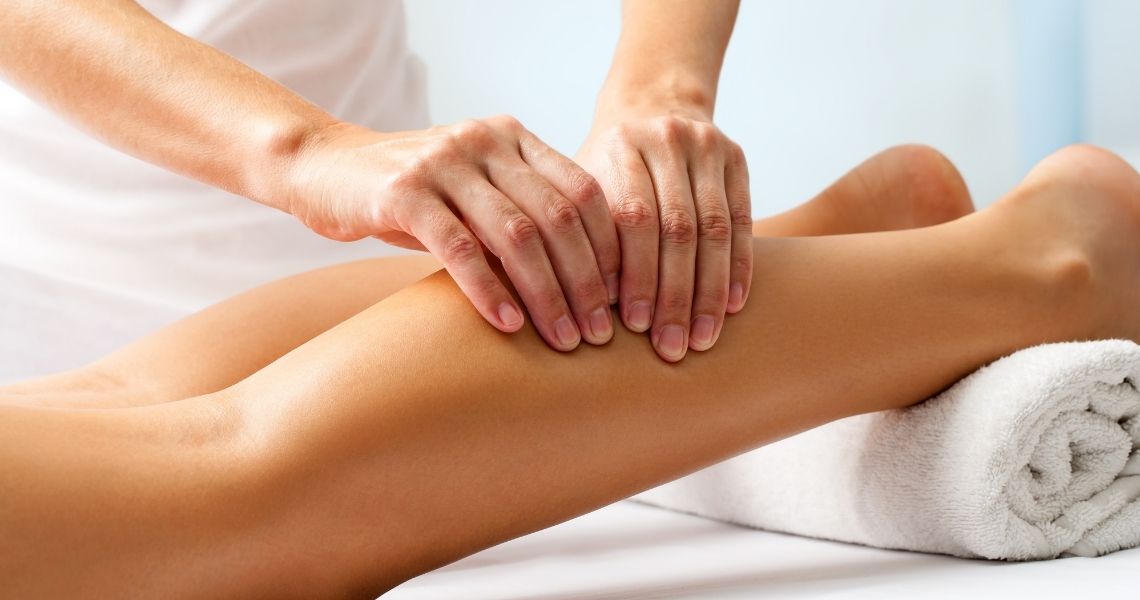
More important than any particular exercise is keeping it up with a certain regularity for these habits to be effective. Some simple ideas that you can easily add to your routine are:
- Take a short walk after sitting for several hours.
- Get up and walk for a few minutes during your workday.
- Move your ankles and flex your feet if you have to sit for a long time.
- Avoid spending long periods in the same position.
- Regularly practise activities like walking, cycling or swimming.
These small changes can make a difference when the feeling of heaviness appears associated with long hours or an overly sedentary life.
In short, to relieve leg swelling, you don’t need to look for complicated solutions. A balanced diet, less salt, a little more movement and a few minutes of rest are your best allies.
What do you think about?
Share comments, opinions and tricks with the Community