

How to choose the best after-school activities for your child
We help you choose extracurricular activities for your child according to their tastes, age and needs. Practical tips to get it right.

What are extracurricular activities and what are they for?
Extracurricular activities are a part of children's routines, but they should not be seen as yet another academic activity, but as a form of entertainment and escape. Many of them can provide important knowledge for children's development, such as languages or team games; but, if badly handled, they can become a source of stress for our children.
How to know which activity fits your kids
Listen to them. Sometimes, to find out which extracurricular activity is best for our children, it is enough to ask them what they like or what they want to learn. It is normal for them to change their minds or tastes often and for new interests or regrets to appear. Changing activities several times is not a bad sign, but it is good for them to have a trial period (between four and six weeks) so that they can explore and try to adapt, without pressure, to new environments and classmates. You will know that you have got it right when you see they are excited and not stressed, listless or low on energy.
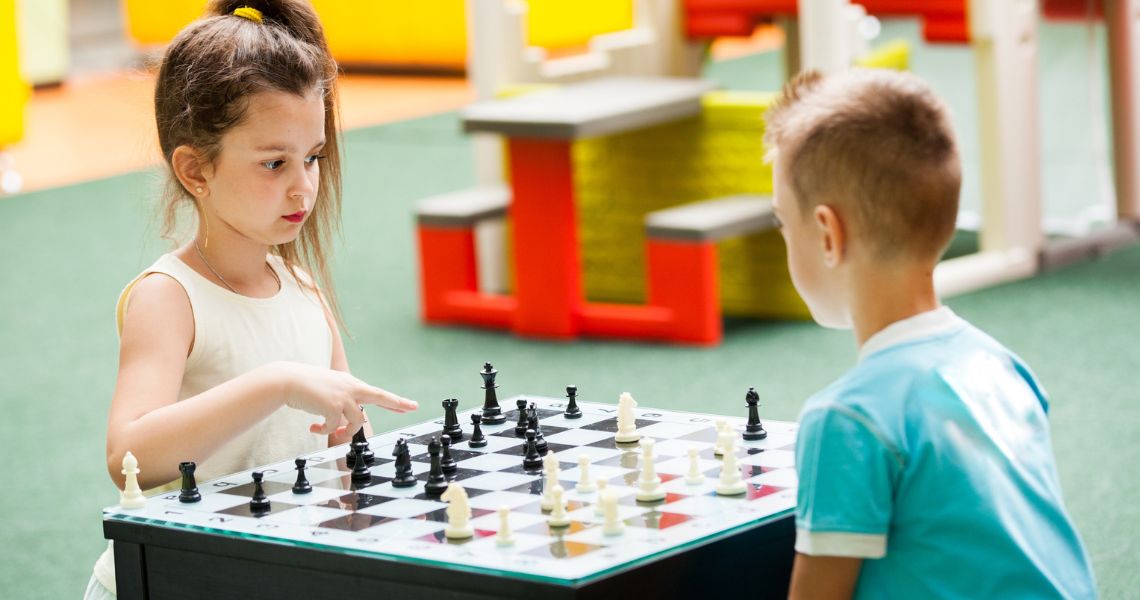
Types of extracurricular activities according to their interests
Not all children are the same nor do they necessarily share interests and concerns with the rest. Therefore, signing them up for an extracurricular activity just because "friends go" is not always synonymous with success. There are several types of activities depending on what you are looking for:
- Sports: to promote teamwork, coordination, discipline and to release energy (basketball, swimming, ballet...).
- Artistic and creative: to promote confidence, memory, sensitivity, creativity and manual skills (playing an instrument, theatre, drawing, painting...).
- Academic: to reinforce knowledge and to improve performance and confidence.
- Languages: to promote their communication skills, curiosity and memory (English, German, French...).
- Technological and scientific: to promote logic, critical thinking and creativity (robotics, programming, computer science, scientific projects...).

Extracurricular activities according to age
Remember that each stage has its capacities and limitations. Requiring a three-year-old to be a star soccer player instead of prioritizing play, movement, fun and the correct development of their skills is generally not positive. It is the extracurricular activities that have to adapt to the child, and not the other way around.
- From 3 to 5 years old: EXPLORATION.
The activities should be short and focused on improving their social skills and movement, as well as developing communication and expression skills (psychomotor skills, swimming, crafts…).
- From 6 to 9 years old: INITIATION.
It's time to put social rules into practice and understand the importance of teamwork. Sports like football or basketball or activities such as theatre are perfect for learning to relate to others, overcoming shyness and improving expression and empathy.
- From 10 to 12 years old: SPECIALIZATION.
Extracurricular activities can become more practical and focus on personal passions and interests. They can also be used to reinforce the skills that children have developed throughout their childhood (languages, team sports, technology activities…).
- From the age of 12: INDEPENDENCE.
During adolescence, extracurricular activities that can promote children's autonomy are recommended, in addition to focusing on improving their academic performance and future (creative workshops, robotics, sports competitions, languages…).
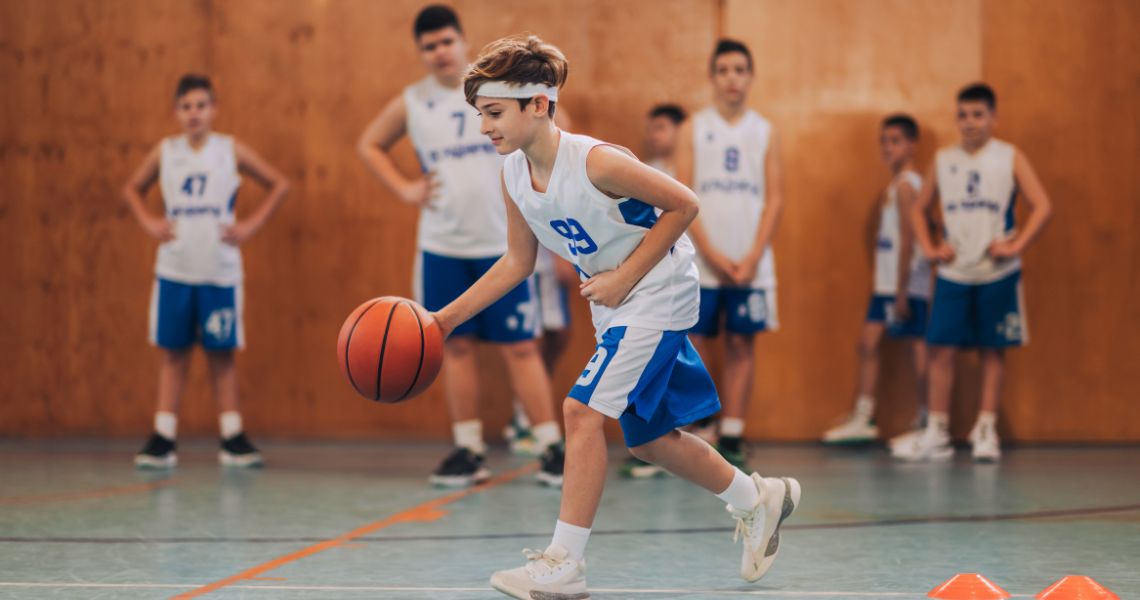
Common mistakes when choosing extracurricular activities
Filling their entire schedule with after-school activities: this can overwhelm children as they have no free time and their stress levels increase as they feel that the activities are yet another academic obligation and not a form of entertainment or escape, especially when they are smaller. Time to play and rest is also very important for the proper development of our children.
Thinking only about their curriculum: when they are young, we should not think so much about their working future, but about their having fun and playing with other children their age.
Following parents' tastes: falling into the cliché of signing them up for a sport just because their parents like it or because of nostalgia and expectations, can sometimes have a very negative effect on children.
Choosing with work-life balance in mind: signing them up for any activity just because it's "best for the schedule" is not a good selection criterion when these extracurricular activities are not educational or bring them fun or pleasure.
Not finding balance: extracurricular activities should combine fun with learning and socialization. If any of these are missing, the activity goes from being a form of escape to an academic task to be added to the calendar.

What do you think about?
Share comments, opinions and tricks with the Community