

What bodied wine is and how to choose it
Find out what bodied wine is and how to recognise it when tasting it. Learn about the features that affect the texture and intensity of wine.

Talking about wine is to enter a world of nuances, flavours and sensations. Among one of the most widely-used concepts, and one that is often not properly understood is “bodied wine”. It is an expression that is commonly used during wine-tasting, on labels and in recommendations, but what exactly is a bodied wine? What does it actually mean? How do we recognise bodied wine, and above all how can we choose one according to our tastes?
The “body” of wine refers to the sensation of weight, density and the structure that it leaves in the mouth. It can be light like water, medium or bodied (dense, robust, strong). Understanding this concept not only allows us to enjoy wine more, but it also means we will be better able to choose the right wine for the occasion, the dish to be served or the moment.
Factors that affect the body of wine
The body of wine does not depend on one single item, but rather a combination of several factors from the vine to the glass:
- Alcohol. This is one of the main factors of a wine's body. The higher the alcohol content, the stronger the sensation of density of the wine will be. Therefore, wine with more than 13.5% alcohol content is usually perceived as more structured.
- Residual sugar. Although not all wine is sweet, a small amount of sugar can affect the sensation of volume in the mouth, making wine appear to be denser.
- Tannin. This term refers to the natural organic compounds (polyphenol) in the wine, mainly from the grape skins, the pips and the stalk, and also the wood of ageing barrels or casks. Tannin is usually present in red wine and cask-aged wine. It has a bitter taste and a dry, astringent sensation in the mouth, which contribute to the structure of the wine.
- Acidity. A wine with high acidity is usually perceived as light and fresh, whereas one with lower acidity confers a more rounded, full-bodied sensation.
- Grape variety. National grape varieties such as Monastrell or Tempranillo, and some international varieties such as Cabernet Sauvignon and Syrah usually lead to well-structured, bodied wines.
- Wine-making and ageing process. Wines that have been aged in wood become more complex and structured. Fermentation, the use of casks and how long the wine is aged all have a significant effect.

How to recognise bodied wine and tasting it
You don’t need to be a connoisseur to identify a bodied wine and know what it means, but you do need to pay attention to certain aspects when tasting it. When trying a bodied wine, you will perceive it as being denser and rounder in the mouth. The sensation remains in your mouth for longer, leaving a lasting, structured sensation.
Another key factor is persistence: bodied wines usually have a longer aftertaste, where the flavours remain for several seconds after swallowing it. It is also noticeable in the texture. Whereas a light wine is thinner and more refreshing, a bodied wine is more reminiscent of a creamier or more velvety drink.
A simple tip is to see how it runs down the sides of the glass. Wine with a higher alcohol content, and therefore more body, usually forms more obvious teardrops or “stripes” on the glass.
Bodied wine: features and examples
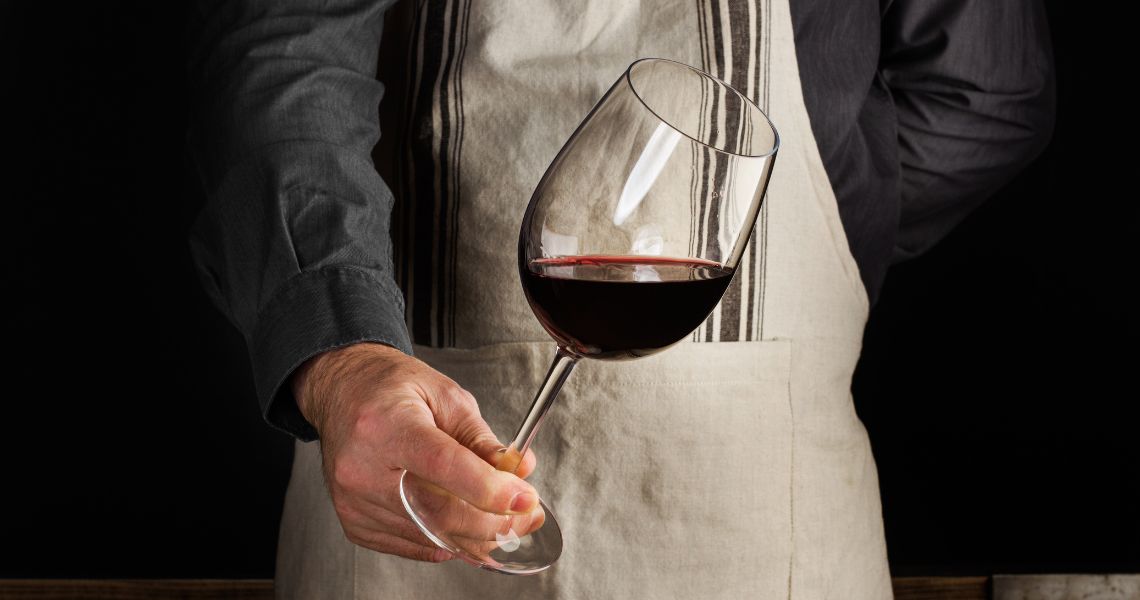
Red wine in general is more easily associated with the idea of body. This is because of the higher tannin content, and in many cases, ageing the wine in wooden casks.
Bodied red wine is characterised by:
- A concentrated flavour, strong hints of ripe fruit, spices or wood.
- A defined structure, due to the tannin.
- Higher alcohol content, conferring density.
- A long-lasting aftertaste.
Among the most well-known examples are wines made from varieties such as Tempranillo, Cabernet Sauvignon and Syrah, particularly when they have been aged in casks. These wines are ideal to pair with filling dishes such as red meat, stews and mature cheese.
Moreover, the structure means it ages better, developing more complex, elegant flavours over time.
Bodied white wine: characteristics
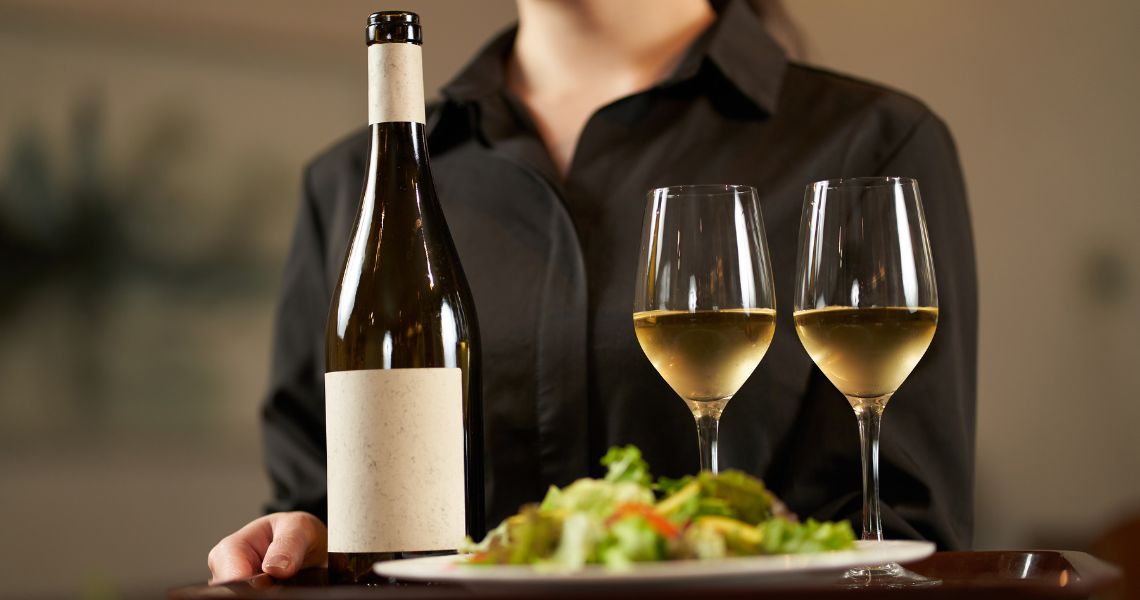
Although bodied wine tends to be associated with reds, there are also some white wines capable of surprising us with their complexity.
Bodied white wine usually has:
- More volume in the mouth, unlike the typical lightness of some young white wines.
- A thicker, creamier texture, particularly if it has been in contact with the lees (sediment that counters oxidation) or it has been cask aged.
- More complex flavours, which can include hints of ripe fruit, butter, nuts or vanilla.
Varieties such as Chardonnay or Viognier are a couple of good examples of bodied white wine, particularly when they are made using techniques to enhance their structure.
These wines pair well with oily fish, creamy rice and even white meat dishes, proving that white wine can be just as versatile as red wine.
Difference between light wine, medium bodied and full bodied wine
To better understand this concept, it is worth comparing the different levels of “body”:
- Light wine. They are fresh, easy to drink and have a lower alcohol content. They usually have high acidity and a flowing sensation in the mouth. They are ideal for starters and warmer weather. For example, Mar de Frades Albariño (DO Rias Baixas) or Viña Esmeralda Ecológico (Organic) (DO Penedès).
- Medium-bodied wine. These wines fall between the other two groups, with a balance between freshness and structure. They are versatile and pair well with a wide variety of dishes. They include, Hoya de Cadenas Chardonnay (DO Utiel-Requena), Murviedro Colección Sauvignon Blanc de Murviedro (DO Valencia), El Miracle de Bodegas Vicente Gandía (DO Utiel Requena) and Marqués de Cáceres red Crianza (DOCa Rioja).
- Full-bodied wine. These wines are more intense, complex and structured. They have a longer aftertaste and usually pair well with filling meals. Two good choices are Juan de Juanes tinto Vendimia Oro (DO Valencia) and Coto Imaz tinto Reserva (DOCa Rioja).
When choosing a wine, we need to think about the moment, the dish it is served with and the personal tastes of the people who will be drinking it. In general terms, a fuller-bodied wine should be served with red meat, stews, dishes with strong sauces. Fuller-bodied wines are more appetising in colder weather. In summer, people often prefer lighter wine. Some people prefer light, fresh wine, whereas others enjoy more the intense flavour and structure of full-bodied wine. There is no hard and fast rule about which choice is best: it is simply a matter of different experiences.
Can organic wine have body?
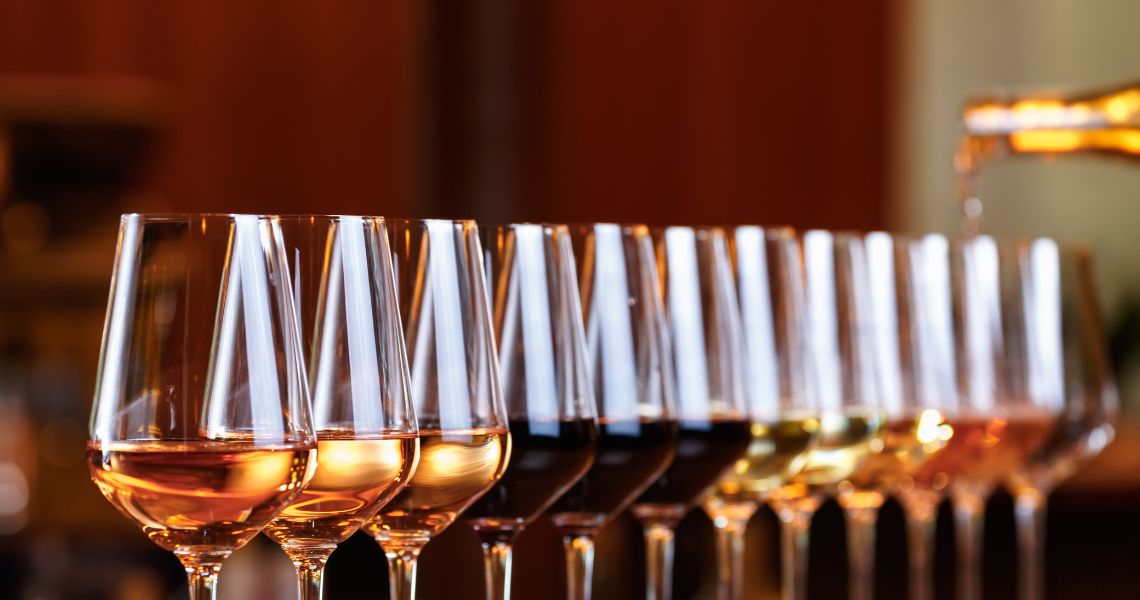
Yes, it most certainly can! Organic wine can have body. The fact that wine is made from grapes grown organically, without pesticides or other chemicals, is not a limiting factor for its structure of intensity.
Organic wines have grown significantly in popularity in recent years. Many organic wine-makers seek to bring out the features of the land and soil to the maximum, meaning that their wines have more personality. Organic wine can be light, balanced or bodied, just as any other wine. It all depends on factors such as the grape variety, the climate, the wine-making process and ageing.
What do you think about?
Share comments, opinions and tricks with the Community