

Seasonal fish in summer: the best option
Discover seasonal fish in summer: sardines, anchovies, espeto and other fresh options for enjoying the best flavours during the period.

What seasonal fish to eat in summer
When summer arrives, it is impossible not to imagine sitting at a beach bar enjoying good fish by the sea. This is no coincidence, because, in addition to being at their best, small fish are authentic health bombs for our body, loaded with quality proteins, omega-3 fatty acids, calcium, phosphorus, iodine and essential vitamins.
Benefits of small fish
- Rich in omega-3, which contributes to maintaining normal levels of cholesterol in the blood.
- They provide calcium, since, being small, we eat up to the spines, which are finite and these come loaded with calcium to keep your bones strong.
- Source of protein.
- Source of vitamin D, which helps strengthen your bones and immune system
In addition, summer is the optimal time to consume this type of small fish, since, during spring and summer, the waters are warmer and there is a greater abundance of plankton, which is the main food of this type of species. This plankton is rich in healthy fats and makes fish meat much juicier and tastier when cooking.
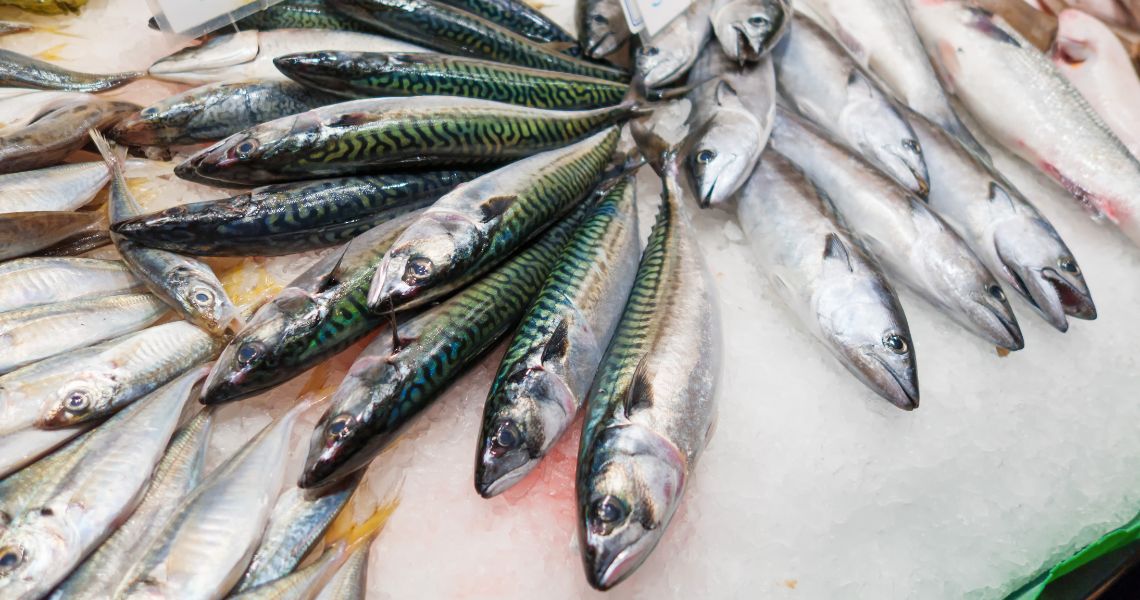
Fresh anchovies: a summer classic
Anchovies are one of the most consumed blue fish in summer. In addition, they have multiple benefits for our health, since, among other things, they have a high content of vitamins from the B group, such as B2, B3, B6 and B12. They are fatty and rich in omega 3, which contributes to maintaining normal blood cholesterol levels. Their consumption is recommended for people with cardiovascular problems.
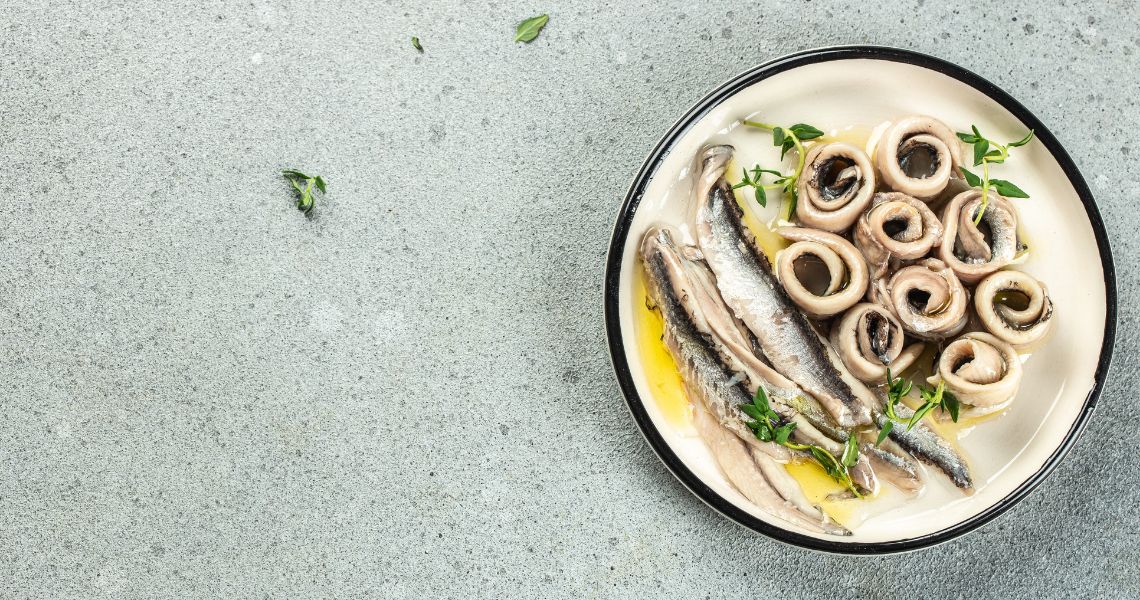
Sardines: the star fish of the season
Small blue fish par excellence with a key role in our gastronomy. Among its many nutritional properties, the great contribution of omega-3 polyunsaturated fatty acids stands out. One serving almost covers the recommended daily amount.
With regard to minerals, its phosphorous content is noteworthy, and its selenium. Iodine and magnesium content is also significant. Among its vitamins there are some from the B group, such as B12, B6 or niacin.
Sardines also provide fat-soluble vitamins, such as vitamins D and E, which contribute to the protection of cells against oxidative damage.
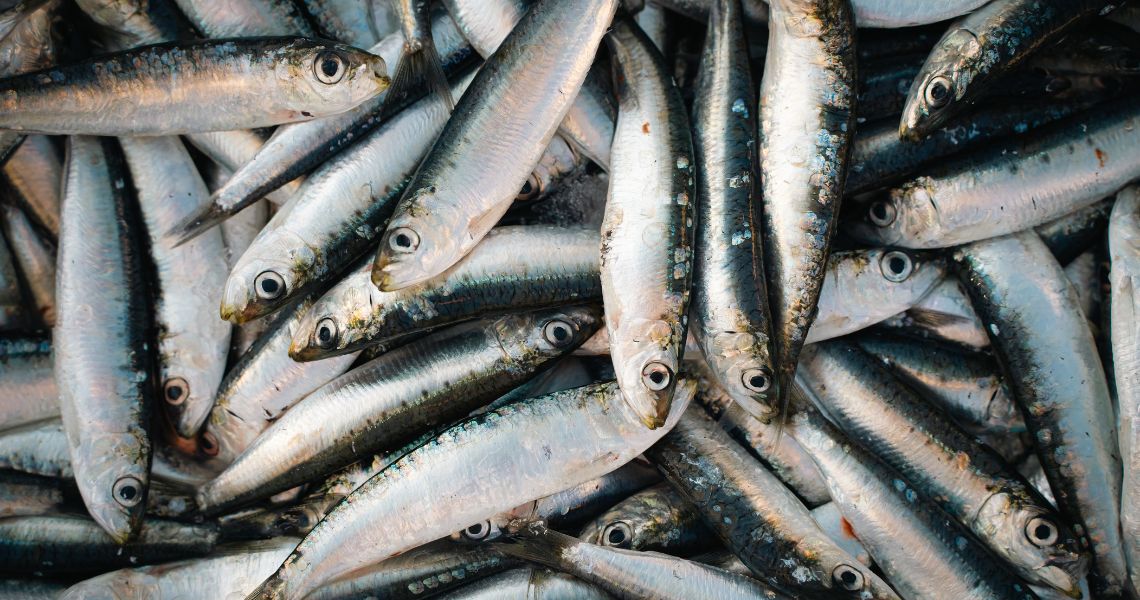
Other summer fish
Red mullet:
They also belong to the blue fish family. Characteristic for its pink colour, just like its neighbours sardines and anchovies, it is a semi-fatty fish due to its high omega 3 content, rich in proteins of high biological value and minerals such as selenium, phosphorus, iodine and potassium.
Horse mackerel:
Horse mackerel is also from the blue fish family; therefore, it is a fatty fish. In the same way as sardines, anchovies or mullet, this fat is unsaturated, rich in omega 3 fatty acids, which contributes to reducing levels of cholesterol and triglycerides in the blood, which is why it is called heart-healthy fat.
Rock pelaya:
Unlike the previous ones, pelaya belong to the family of white fish, such as sole or John Dory. It is a fish that is found in the rocky areas of the Mediterranean. It has a fine taste for their white meat and is very tasty.
What do you think about?
Share comments, opinions and tricks with the Community