

Malolactic fermentation: what it is and how it affects wine
What malolactic fermentation is, how it transforms malic acid into lactic acid and why it is key to conferring smoothness and body to red wines and your glass.

Why do some wines strike us as fresh and vibrant, while others seem smooth, round and creamy? The answer is not only to do with the grape variety or the ageing process, it may also be affected by what happens inside the wine after alcoholic fermentation.
This is where malolactic fermentation comes into play, a process caused by bacteria that transforms the acids in the wine and can alter its flavour, texture, bouquet and taste. But what exactly is malolactic fermentation? Why is it so common in reds and less so in whites? And, above all, can we recognise its effects when tasting a glass of wine?
What is malolactic fermentation and when does it take place?
Although more commonly known as “second fermentation”, malolactic fermentation in wine is not the same as alcoholic fermentation. In the latter, yeast converts sugars into alcohol; in malolactic fermentation, it is mainly lactic acid bacteria that convert malic acid into lactic acid. The species most closely associated with this process is Oenococcus oeni, although other bacteria may also be involved.
It most commonly takes place after alcoholic fermentation, although the two processes can also overlap in certain wine-making processes. It can take place spontaneously or through the inoculation of selected cultures, an option that provides winemakers with greater control over the timing and development of the process.
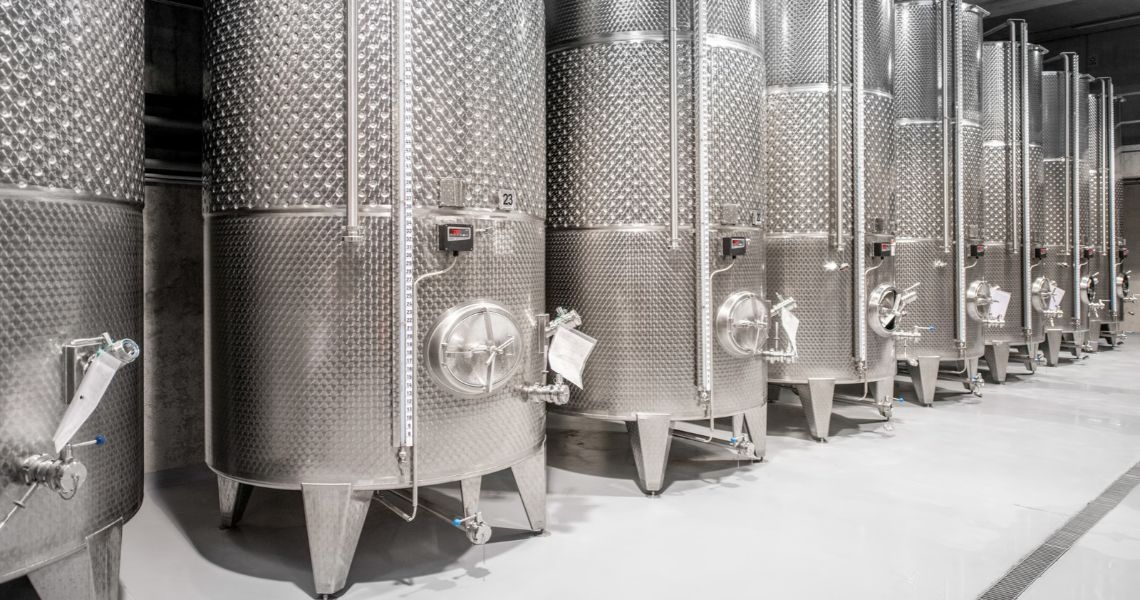
That said, it does not happen automatically in every wine. The bacteria need suitable temperature, pH, alcohol and nutrient availability conditions to develop, which is why wineries strictly control the process when they want malolactic fermentation to take place.
From malic acid to lactic acid: the chemistry behind the flavour
To understand this transformation effect, just think of a green apple. Malic acid is what gives it that intense, fresh tartness that we associate with the flavour. During malolactic fermentation, bacteria convert malic acid into lactic acid, resulting in a much smoother perception. A small amount of carbon dioxide is also released during the reaction.
The result, therefore, is a change in the balance of the acidity in the wine: the distinctive sense of acidity is reduced and the wine can taste more balanced and rounder on the palate. This does not mean the wine loses any of its freshness, or that malolactic fermentation “creates body” by itself. Many factors determine the structure of wine. However, that transformation can indeed contribute to a smoother, and in some cases creamier, sensation.
If you were wondering what malolactic fermentation is, it should now be much clearer. Even so, let us delve a bit deeper into this process.
Why is it essential in red wines and optional in white wines?
The word “essential” requires some qualification: not all red wines have to undergo malolactic fermentation. However, it is a very common practice in red wine production because it helps reduce the acidity and contributes to a more balanced end product. Moreover, completing the transformation of malic acid enhances the microbiological stability of the wine. It is common, for example, in Rioja red wines.
In whites, the decision depends much more on the style vintners seek. If the aim is to preserve a distinctive sense of freshness and sharpness, it may be preferable to keep the malic acid. It is therefore common to find white wines in which this process is not allowed to take place.
However, malolactic fermentation in white wine can also be deliberate. In wines where greater volume, roundness or complexity is sought, it can be a useful tool. Varieties such as Chardonnay usually undergo this type of process.
How the process affects the bouquet and flavour of wine
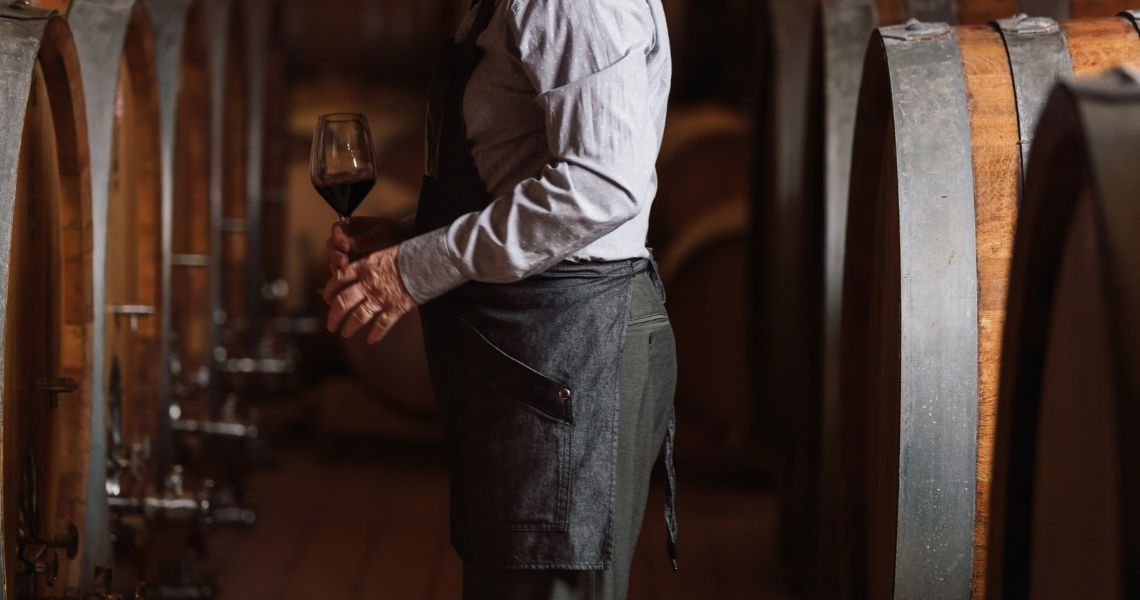
The transformation process not only affects the acidity of the wine. Bacterial activity can also alter the wine’s profile. Malolactic fermentation can evoke a bouquet of butter, yoghurt or cream. In moderate amounts it can also confer complexity. However, when there are high concentrations, it can become excessive.
The role of lactic acid bacteria in the winery
Lactic acid bacteria are the main players in this transformation. Oenococcus oeni stands out for its ability to survive in a more hostile environments, with alcohol, higher acidity and few nutrients. Species of Lactobacillus and Pediococcus may also take part.
These bacteria can be present naturally, but wine-makers can also add selected cultures. This provides the winemaker with greater control over when malolactic fermentation starts and can reduce the risk of the process failing to be completed or prevent the wine from spoiling.

Tasting differences: how to identify a malolactic fermented wine
So how does all this affect the wine in our glass? Mainly through the sensation on our palate. Wine that has undergone malolactic fermentation can be less sharp and have a smoother or rounder texture. In some cases, the texture may also feel creamier.
In terms of bouquet and flavour, the presence of diacetyl can bring hints of butter, but that feature is not evident in all wines that undergo malolactic fermentation. The bacterial strain and the wine-making conditions also affect the final result.
Next time you taste a wine, try this: pay attention to how its acidity behaves and the texture it leaves on your palate. You now know that behind that sensation there may be a microscopic process that has completely changed the character of the wine: malolactic fermentation.
What do you think about?
Share comments, opinions and tricks with the Community