

Difference between figs and summer figs and how to tell them apart
We tell you the difference between figs and summer figs, what their season is and how to tell them apart on sight. Simple keys to avoid confusing them.

On the surface, they are almost identical: same colours, similar texture and that characteristic sweet flavour. However, figs and summer figs are not quite the same. Therefore, knowing how to recognize them will help you make better choices in the market and enjoy them at their best.
How figs and summer figs really differ
The main difference between figs and summer figs is in their ripening cycle, although both come from the same tree, the fig tree (Ficus carica). This fruit tree, very common in the Mediterranean climate, has the particularity of producing two harvests in the same year, giving rise to two different fruits in appearance, flavour and time of consumption.
Summer figs are the first to appear. They form in the previous season and remain on the tree during the winter, resuming their development with the arrival of good weather. They ripen between late May and July, depending on the area. They are larger, elongated and fleshier, with a slightly thicker skin and a sweet, but soft and less intense flavour.
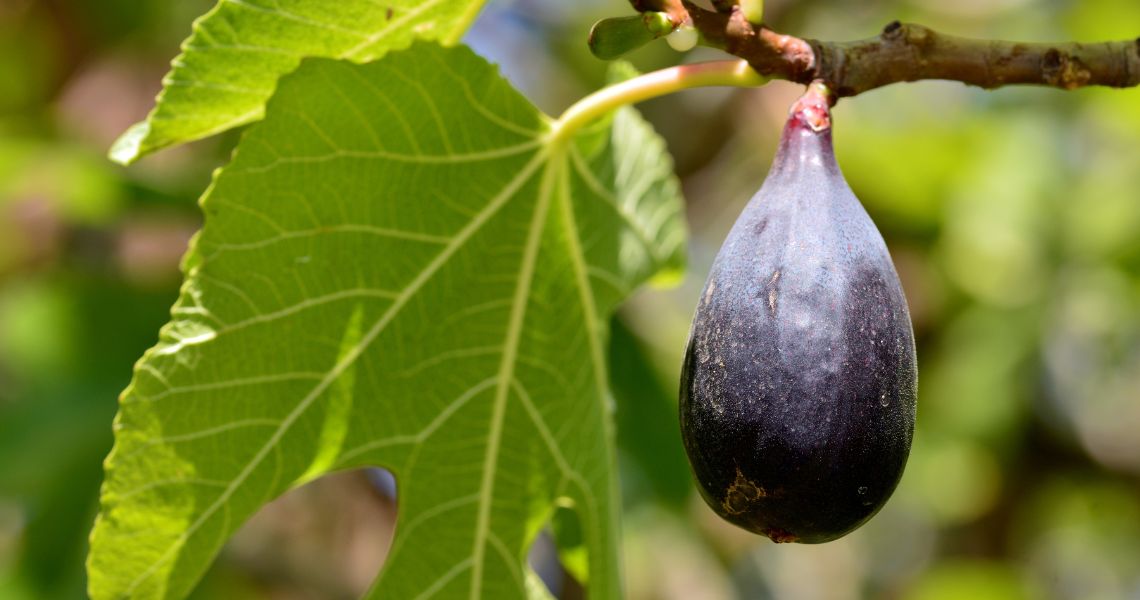
Figs, on the other hand, ripen in the same season and are harvested later, between August and September, and even early October. They are usually smaller and rounded, with a thinner skin and a very juicy and aromatic flesh, with a noticeably higher content of natural sugars.
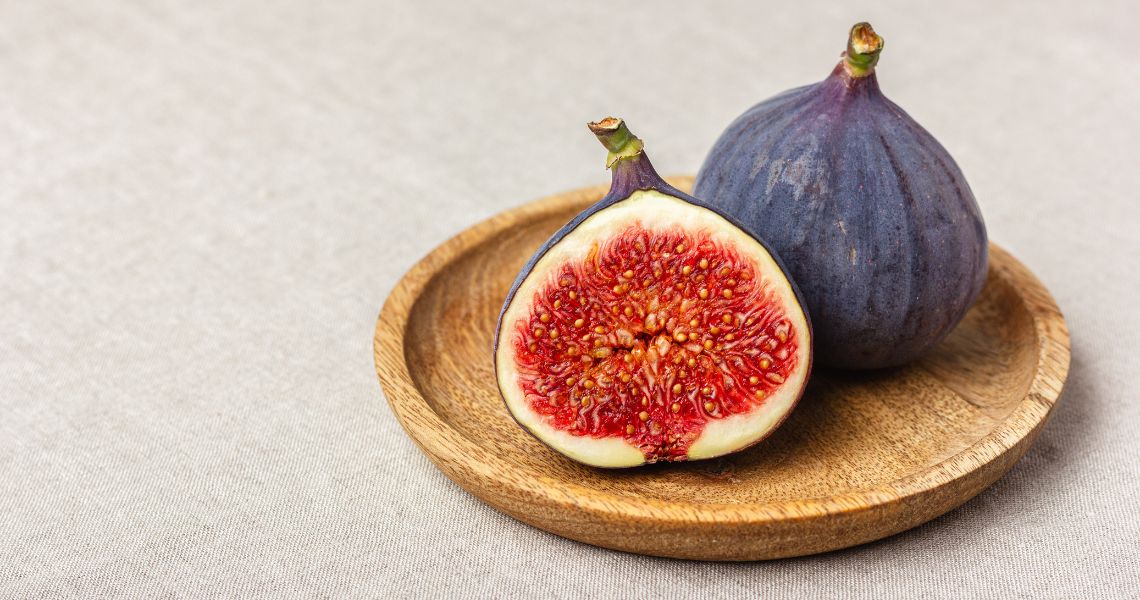
So, figs stand out for their sweetness and available energy, while summer figs contain a little more water and are lighter on the palate.
Varieties and types of figs and summer figs you can find
There are different types and varieties of figs and summer figs, which depend on both the variety of fig tree and the growing area, as not all fig trees produce summer figs. The so-called biferous fig trees are those that give two harvests a year (summer figs and figs), while uniferous plants only produce figs.
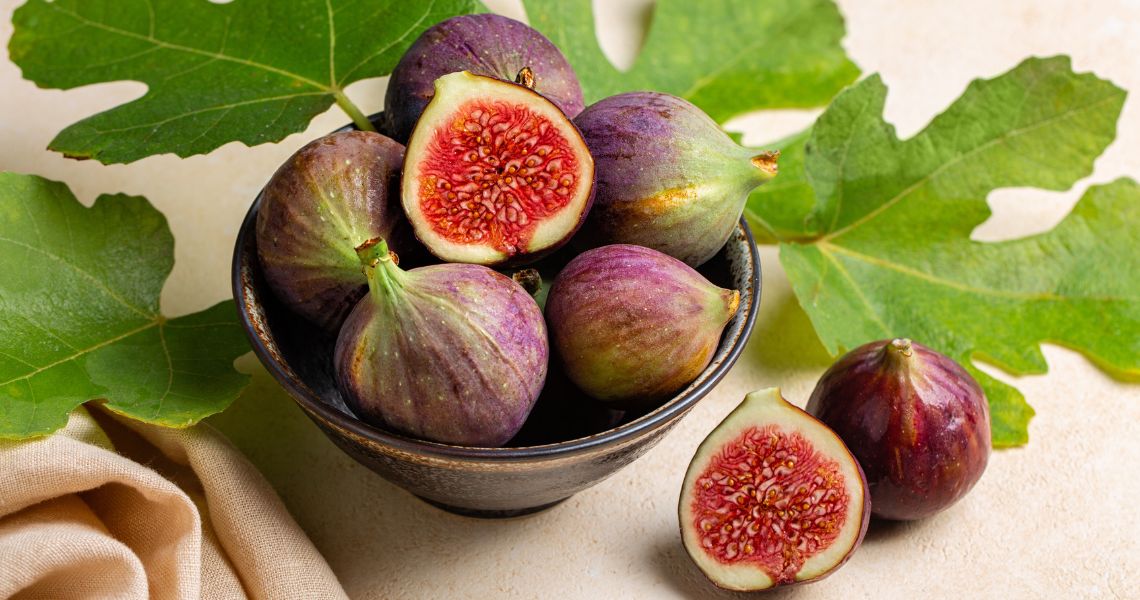
Among the most common varieties are black or purple figs, which are very sweet and aromatic, and green figs, which have a milder flavour and light flesh. Also noteworthy are classic varieties such as the Cuello de Dama fig, highly appreciated for its intense flavour, or the fair-skinned figs with pink flesh, which are more delicate.
In the case of summer figs, the varieties usually coincide with those of figs, but they differ in their larger size, more elongated shape and firmer flesh. Some summer figs have dark, almost black skin, while others have green or violet tones, depending on the variety of the fig tree.
Properties and benefits of both fruits
Both figs and summer figs stand out for their nutritional properties. They are energy fruits, rich in natural sugars and highly appreciated in the Mediterranean diet.
Among their main benefits are:
- Fibre content, which promotes digestion.
- Natural source of energy, ideal during busy times.
The properties of summer figs are very similar to those of figs, although they tend to have a little more water and not so sweet, making them softer on the palate.
When is the best season to find them?
The fig and summer fig season is key to enjoying them at their optimal moment. Summer figs are harvested from the end of May and during the months of June and July, while figs appear later, between August and September, and even until the beginning of October depending on the area. Consuming them at the right time guarantees better flavour, greater freshness and a more affordable price.
What do you think about?
Share comments, opinions and tricks with the Community