

Beer carbonation
Beer carbonation is a key part of beer brewing and defines its flavour and texture. Discover the levels and types of carbonation and how they affect each brewing style.

If we analyse beers from around the world, we will find an infinite variety of colours, alcohol content and bitterness levels. Nevertheless, there is a common denominator to them all: gas. Except for a very few craft beer exceptions or very specific historical brewing styles, in the eyes of the drinker, flat beer without bubbles is defective beer. But, have you ever wondered where those bubbles come from?
What is beer carbonation
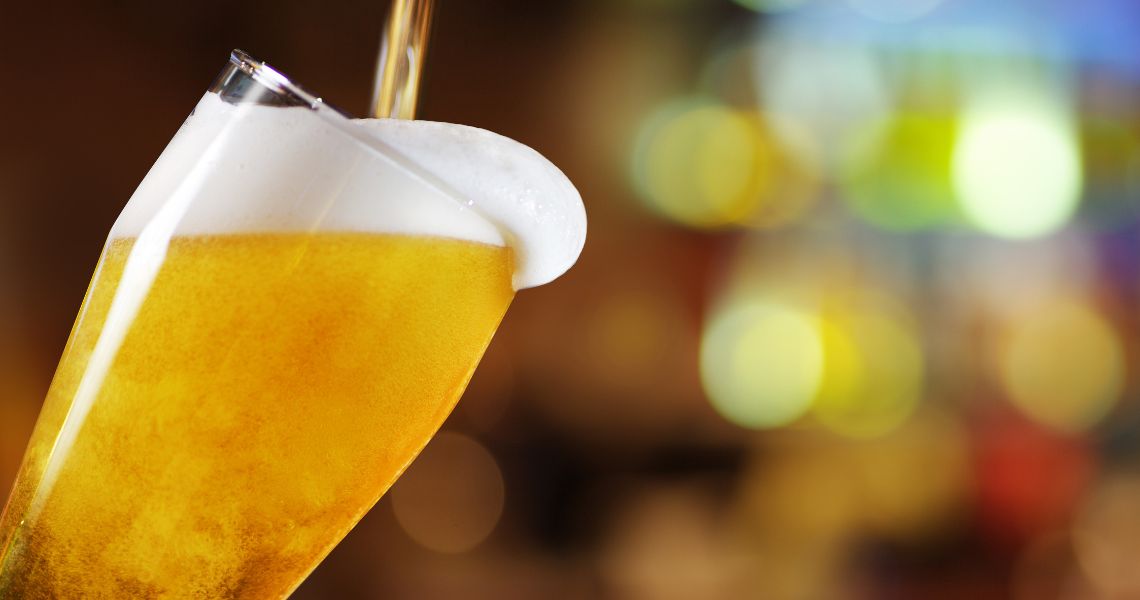
In order to understand the process, the first thing we need to know is exactly what carbonation is. In technical scientific terms it is the process of dissolving carbon dioxide (CO2) in a liquid. In the case we are dealing with, beer carbonation is the result of the presence of carbon dioxide in the beer which is released when opening the bottle or tap, creating bubbles and the characteristic foam (or head).
Unlike other artificially carbonated beverages, the origin of carbon dioxide in the brewing world is much more organic. During the fermentation process, the yeast (Saccharomyces) “feed off” the sugars contained in the cereal must. That metabolic feast produces two main results: ethyl alcohol and carbon dioxide. If the gas is trapped inside a sealed receptacle, it integrates into the liquid creating the magic of carbonation.
Why is carbonation key in brewing beer?
The importance of carbonation goes way beyond what we can actually see with our eyes. It is one of the organoleptic pillars that fulfils some vital functions such as the following:
- Structure and texture. The gas confers what in gastronomy is known as “crunchiness”. It is what gives “life” to each sip of beer.
- It cleans the palate. The bubbles help to sweep the flavours off the tongue, getting it ready for the next sip, which is essential in strong or oily beer.
- Bouquet enhancer. When bubbles rise to the surface, they drag the volatile hop and cereal compounds with them towards our nose, thereby heightening the sensory experience.
- Sensation of freshness. The gas accentuates the perception of coldness, which is what makes beer the refreshing drink par excellence.
Types of beer carbonation
There are two main ways of making the gas integrate in the beverage:
- Natural carbonation. This takes place during fermentation. A lot of craft and Belgian style beers undergo a second fermentation process in the bottle. A little more sugar is added to the must before sealing the bottle. This wakes up the yeast and that extra CO2 is produced naturally in the bottle.
- Forced carbonation. This is a common process whereby CO2 is directly injected into the beer maturation tank or before bottling. It is a very accurate method which allows adjusting the exact amount of gas required in the recipe, and it is particularly useful in cask aged beer that have lost gas during the ageing process.
Although CO2 is the standard, some beers (such as Irish Stout) use nitrogen. Nitrogen creates much finer bubbles, leading to a creamy, silky texture instead of the traditional effervescence.
Carbonation levels according to brewing style
Not all beers have the same effect on our tongue. The brewing style is the guide as to how much carbonation is required to achieve a balanced recipe.
- British Real Ale. These beers require a low carbonation level, and therefore the sensation in the mouth is smoother, almost plain, while the maltiness is highlighted.
- Lager and Pilsner. A medium-high level of carbonation is required for that sparkling, more refreshing, cleaner sensation.
- Wheat / Belgian beer. These beers have high levels of carbonation, and a sharp, effervescent sensation, producing a lot of foam.
How does carbonation affect the beer drinking experience
Ultimately, beer carbonation dictates how quickly we drink the beer. An excessive amount of gas can saturate the palate and conceal the nuances of the grain, whereas a lack of gas can make the beer feel over-heavy or too sweet.
It is even crucial in serving: when drawing a glass of beer, the pressure system should only be used to force the liquid through the system. If extra gas is mistakenly added, the balance of the original recipe will be distorted. Therefore, the next time you are enjoying a nice cold beer, take a closer look at the bubbles. It is there that a major part of master brewers’ work leads to a perfect experience.
What do you think about?
Share comments, opinions and tricks with the Community