

Korean skincare routine: the definitive 10 steps for porcelain skin
Discover the 10 steps of the Korean skincare routine and how to look after your face so it looks its best. Learn the correct order for your cosmetics and transform your skin.

The famous porcelain skin we associate with South Korea is not the result of some magic formula, nor does it necessarily require an endless number of cosmetics every morning and night. The philosophy of the Korean skincare routine is simply about cleansing, hydrating, treating and protecting the skin using light layers of product. Do you want to find out exactly how it is done? Keep reading!
What does Korean skincare involve?
So-called K-beauty has popularised ingredients and formats such as essences, ampoules, serums and masks, which can help us take better care of our skin. But we should not be overwhelmed by all these terms and products. The classic 10 steps of the Korean routine are, all told, a guide: not every product is essential, nor does it have to be used every day, as you can get started gradually in this vast world at your own pace.
The routine usually starts off with the lightest textures to the densest and ends off with sun protection during the day. Let us take a step by step look.
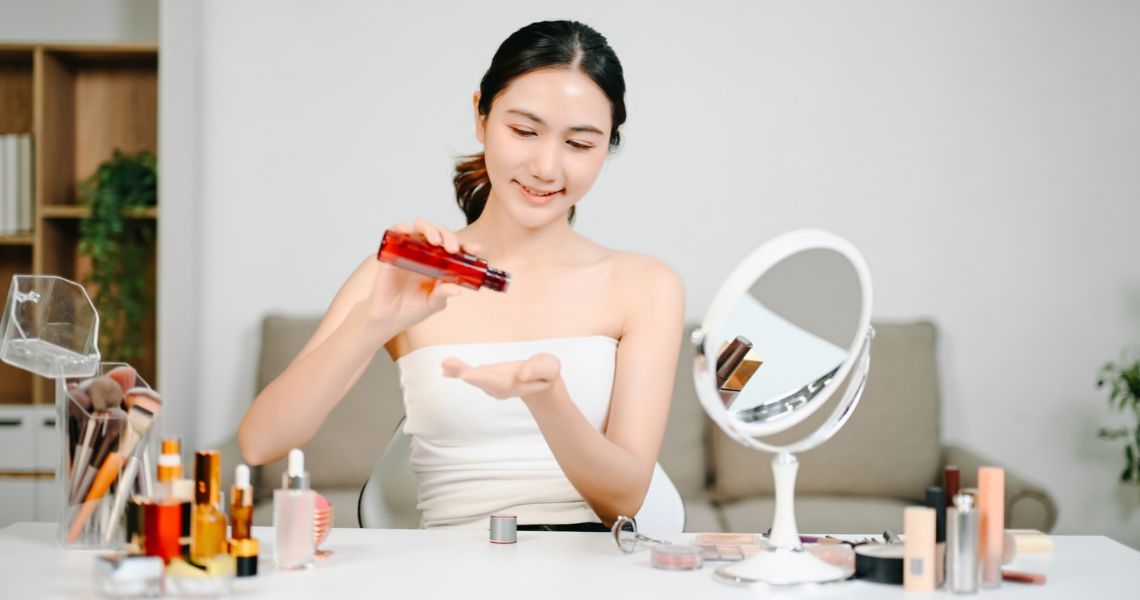
Steps 1 and 2: Double cleansing, the secret behind Asian skin
The Korean routine usually begins at night with a double cleanse.
1. Oil cleanser. Oils and balms help remove make-up and water-resistant products, including sunscreen.
2. Water-based cleanser. Afterwards, a gel or gentle cleanser removes any residue left on the skin.
This is a particularly useful combination if you wear make-up or sun cream.
Steps 3 to 6: Prepare and treat
This is where the famous layering begins, in other words, applying products in layers.
3. Exfoliant. Helps improve texture and remove surface skin cells. How often you use it depends on the product and the tolerance of each skin.
4. Toner. Provides hydration and prepares the face for the products that come after. There are also formulas designed to soothe, balance or address specific needs.
5. Mask. This is the moment for an extra treatment boost. Masks can provide hydration or address specific needs. They are used occasionally, not necessarily every day.
6. Essence. This is one of the most distinctive products in Korean skincare. It is applied between the toner and the serum and provides a dose of hydration and active ingredients before other specific treatments.
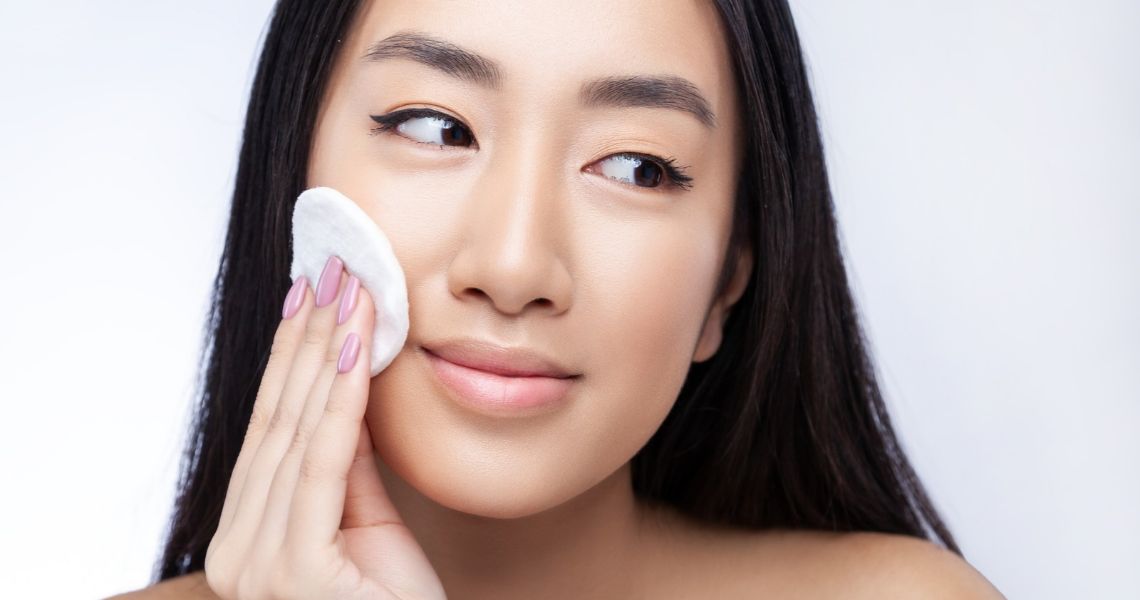
Steps 7 to 10: Hydrate and protect
7. Serum. This step is to address specific concerns, such as dark spots, dehydration, loss of firmness or lack of radiance. The formula will depend on the goal you want to achieve.
8. Eye treatment. This is designed specifically for the delicate skin around the eyes. It helps treat wrinkles, reduce puffiness and brighten dark circles.
9. Moisturiser. Helps maintain the skin barrier. The texture should be chosen according to skin type, ranging from light emulsions to richer creams.
10. Sun cream. In the morning, this is the step you should never skip. A broad-spectrum sunscreen with SPF 30 or higher is recommended.
Sun protection cream is obviously left out at night. Nor is it necessary to do all ten steps every day. ç
Simplified 5-step Korean routine for busy beginners
If ten products feel more like a marathon than a beauty ritual, it is best to start with the strict essentials. This process would include the most essential steps of the Korean routine:
- Gentle cleansing.
- Toner or essence, if your skin requires it.
- Serum or a specific treatment.
- Moisturiser.
- Sun cream in the morning.
This is a much easier approach to make sure you keep to the routine. Consistency matters more than piling up products in the bathroom, honestly!

How to adapt your products to the routine if you have oily or sensitive skin
With oily skin, look for light textures, oil-free and non-comedogenic products. That said, do not try to clean off oil with aggressive washing: gentle cleansing up to twice a day is recommended while avoiding rubbing.
If you have sensitive skin, on the other hand, the routine changes: fewer layers, gentle formulas and preferably no added fragrance. Introduce products one at a time to identify any that cause irritation. If you notice stinging, persistent tightness or your skin getting worse, cut back on the routine and consult a dermatologist.
Ultimately, the steps in the Korean routine can serve as a general guide, but not as a hard and fast list of rules. The real key to K-beauty lies in adapting the routine to your skin: using fewer products, choosing them well and using them consistently. How about giving it a try?
What do you think about?
Share comments, opinions and tricks with the Community