

How to care for children's atopic skin
Learn how to care for children's atopic skin. Bathing, moisturising, suitable products, and tips to gently soothe dryness and flare-ups.

What is atopic skin and why does it appear in children
Atopic skin affects many children and can cause discomfort such as dryness, itching and irritation. This happens because their skin barrier is more fragile and provides less protection against external factors. Although there is a certain genetic predisposition, factors such as heat, sweat or certain hygiene products can aggravate symptoms.
What bath time should be like
Bath time can become a great ally in caring for atopic skin. Ideally, it should be short, with lukewarm water and mild gels that are designed for sensitive or atopic skin. It is also best to avoid very hot water, as this can dry the skin out further and make discomfort more likely.
After bathing, it's essential to dry the skin gently, patting or dabbing lightly with the towel rather than rubbing.
Daily moisturising is key
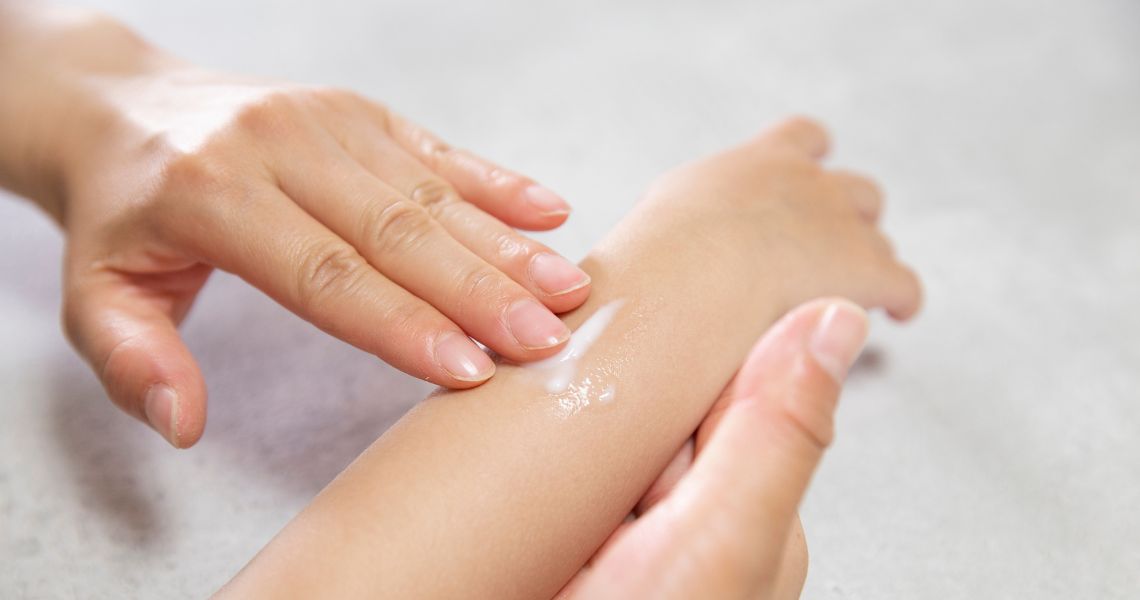
The choice of cream for atopic skin will depend on each individual case and the recommendations of a healthcare professional. But beyond the specific product, what matters most is following a consistent routine that helps keep the skin moisturised and protected.
A good tip is to apply the cream immediately after bathing, as this helps lock in moisture and keep the skin protected against dryness.
Which products to choose and which ones to avoid
When caring for atopic skin, it's best to choose products specifically designed for sensitive or atopic skin, with gentle, hypoallergenic ingredients and no strong fragrances.
Clothing and other contributing factors
Clothing, the products we use for doing the laundry and heat can also affect atopic skin. That is why it's best to dress children in soft, breathable cotton clothing.
Insofar as liquid detergents are concerned, scented fabric softeners should be avoided, as residue from them can irritate sensitive skin.
When to consult the paediatrician
Although atopic skin can usually be managed with the right care, consulting your paediatrician is advisable if symptoms are severe, flare-ups occur frequently, or itching affects the child's sleep and wellbeing.
It is also worth seeking professional advice if your child’s skin shows signs of infection, or if symptoms do not improve despite following a suitable care routine.

What do you think about?
Share comments, opinions and tricks with the Community