

How to beat bad breath in dogs
Learn to overcome one of the main problems in dogs with different solutions, and improve the teeth of our furry friends!

There is no more honest and affectionate welcome than that of a dog when you get home. However, sometimes, that enthusiasm is accompanied by a not so pleasant fragrance that forces us to turn away. Although we tend to think it’s an “animal thing,” the truth is that excessively strong breath is a warning sign that we should not ignore.
And it is that maintaining our furry friend’ oral hygiene is not only a matter of coexistence or aesthetics, it is fundamental for their preventive health. Here we will analyse why this phenomenon occurs and how we can improve the breath of the dog effectively and durably.
What is halitosis or bad dog breath?
Halitosis is not a disease in itself, but a clinical symptom. It is defined as the set of unpleasant odours that come from the oral cavity, and in the case of dogs, its origin usually lies in the accumulation of bacteria.
When food remains are mixed with saliva, bacterial plaque is formed. If it is not removed, it is mineralised and converted into tartar. This rough deposit is the perfect refuge for anaerobic bacteria that, by breaking down proteins, release volatile sulphur compounds. It is precisely this chemical process that generates the characteristic bad breath in a dog. According to veterinary experts, more than 80% of dogs over three years old have some sign of periodontal disease, which makes oral hygiene an important matter in many homes.
Why does my dog's breath smell?
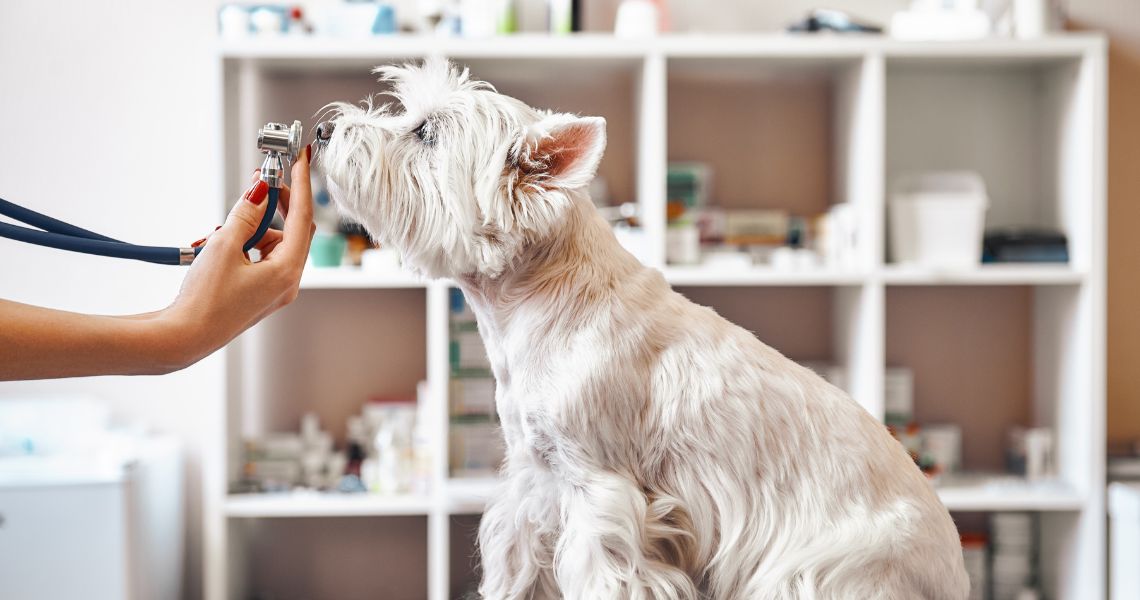
If you have ever wondered with concern “Why does my dog’s breath smell?”, you should know that the causes can be varied, from simple habits to underlying pathologies:
- Poor hygiene. This is the most common cause. Lack of brushing encourages the appearance of gingivitis and periodontitis.
- Dietary habits. Diets based exclusively on wet food tend to leave more residue between the teeth than dry food, which results in mild mechanical friction.
- Digestive or kidney problems. Sometimes the smell is a sign of something else. If the odour is of ammonia, it may indicate kidney problems; if it is sweet or fruity, it may be a symptom of diabetes.
- Fish smell. A very common case is when the dog's breath smells of fish. Although it may seem strange, it is usually related to periodontitis or, interestingly, to the fact that the dog has licked their anal glands (whose fluid has that characteristic smell) and the odour has remained in its mouth.
How to beat bad breath in dogs step-by-step
If you are looking for how to beat a dog’s bad breath, perseverance is your best ally. Here is a roadmap that you must follow to keep their mouth clean:
- Visit the veterinarian. Before applying any technique, it is vital to rule out serious infections or broken teeth. A professional cleaning (tartar removal) may be necessary to start from scratch.
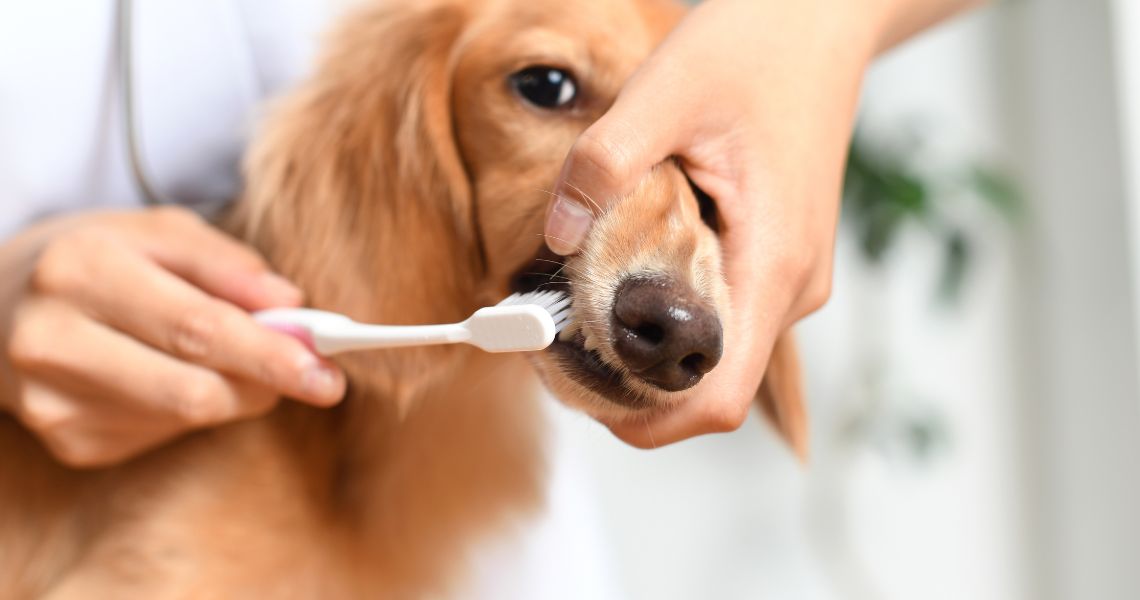
- Regular brushing. This is the gold standard. Always use toothpaste specifically for dogs (never use human toothpaste as fluoride is toxic to dogs). Start gradually so they see it as a game.
- Quality food Dry food helps to “block” some of the plaque. There are also foods which are specially formulated with enzymes that delay tartar formation.
- Natural alternatives. If you are looking for a home remedy for bad dog breath, you can introduce natural snacks such as pieces of apple (without seeds) or raw carrot, which act as a natural brush. Chopped parsley in their food is also a very effective natural deodoriser thanks to its chlorophyll content.
Chewable products and toys to beat bad breath
You can find products to help with these tasks in specialist shops and in the pet aisle of your supermarket:
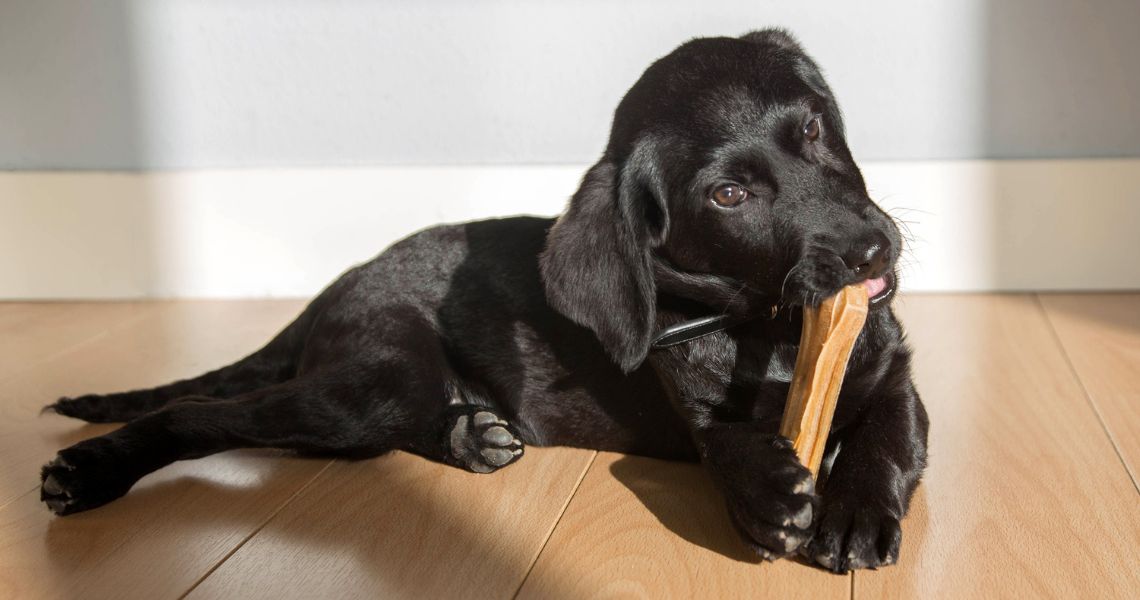
- Dental sticks. They are designed with special textures that require the dog to chew for an extended period, reducing the formation of tartar by up to 80% (although they can’t replace daily brushing).
- Rubber toys with raised patterns. There are balls and teethers with bristles or bumps that massage the gums and clean the interdental spaces while the dog has fun.
- Water additives. These are odourless and tasteless solutions that are added to the drinking water. They contain compounds such as chlorhexidine in minimal doses or enzymes that fight odour-causing bacteria passively.
Caring for the mouth of our dog is undoubtedly a great way to show them how much we love them. Not only will these tips avoid those uncomfortable “kisses”, but they will save them future pain and urgent visits to the specialist. At the end of the day, a healthy canine smile is the greatest reflection of a responsible owner.
What do you think about?
Share comments, opinions and tricks with the Community




Gracias
Gracias