
Natural soap for clothes: advantages, uses and formats
Subtítulo
Discover the benefits of natural soap for washing your clothes compared to conventional detergents. Available formats: bars, beads and liquid.
Imagen destacada

Body
Advantages of natural soap compared to other detergents
- For our skin: natural glycerine remains in natural soap, which is very beneficial for sensitive and dry skin, as it hydrates deep down. This avoids irritation and allergies that can be caused by conventional detergents. Natural soap does not contain artificial fragrances or chemicals, whereas industrial soap does to make foam or lather, which can irritate the skin.
- For our clothes: natural soap provides effective cleaning without damaging fabrics or fading the colours. Moreover, since it usually contains essential oils, it also scents our clothes.
- For the environment: because it is natural, it is made from 100% biodegradable products that do not pollute our rivers or seas and oceans. Moreover, it usually comes in minimal packaging, thereby reducing waste.
- Sustainable composition: because natural soap does not contain any preservatives, artificial fragrances, synthetic colourants, phosphates or petroleum by-products. Moreover, crafted natural soap is made in small amounts and the production processes are more sustainable.
Uses of natural soap: delicate, everyday and baby clothes
- Delicate clothes: since it contains vegetable ingredients, without any aggressive chemicals, such as phosphates or synthetic fragrances, it cleans without damaging or hardening the fibres. As it does not contain aggressive detergents, natural soap conserves the softness and structure of wool and silk.
- Baby clothes: it is ideal for atopic skin because it does not contain perfumes or enzymes. This avoids irritation caused by towels and clothing, thereby avoiding possible dermatitis on babies’ skin. Furthermore, it works effectively to get rid of stains and smells from cloth nappies.
- Everyday clothes: for adults with sensitive or atopic skin or with allergies, it is very effective in getting rid of stains without drying out our skin.
Natural soap formats for clothes: bars or beads
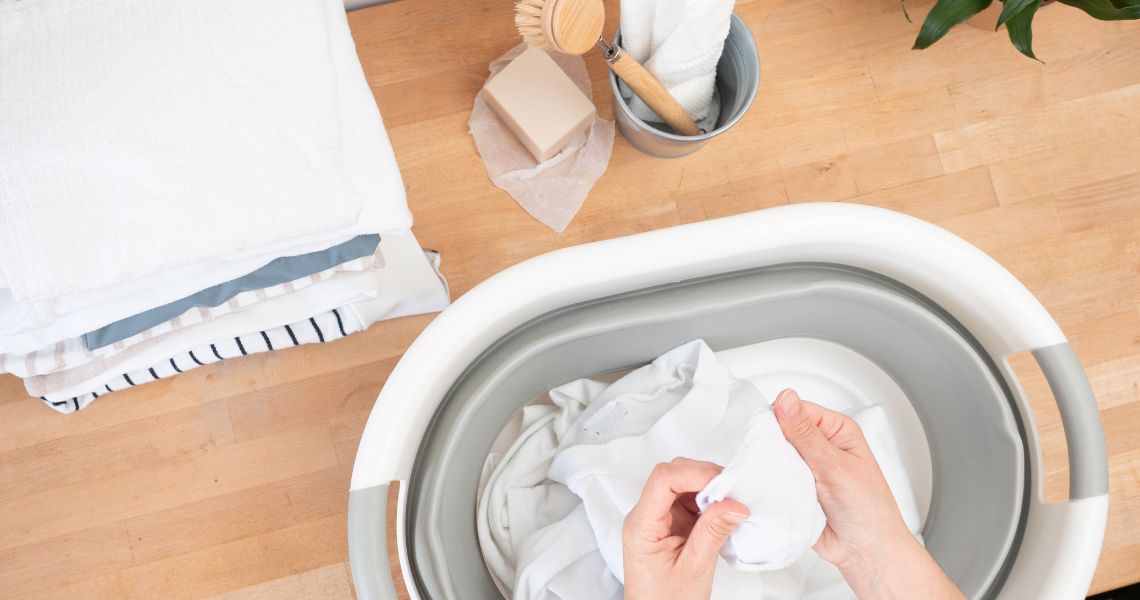
- Bars: this is the traditional and most environmentally friendly soap as it does not come in plastic packaging. It wears well and is free from any synthetic preservatives, sulphates and parabens, and is usually cheaper in the long run. It is the best format for pre-treating stubborn stains or washing by hand.
- Bead format (flakes or powder): this format is best for using in the washing machine because it dissolves easier.
Tips for keeping your clothes soft without aggressive chemicals
To keep your clothes nice and soft, we can make “homemade fabric softener” using cheap, natural alternatives that are both environmentally friendly and gentle on our skin.
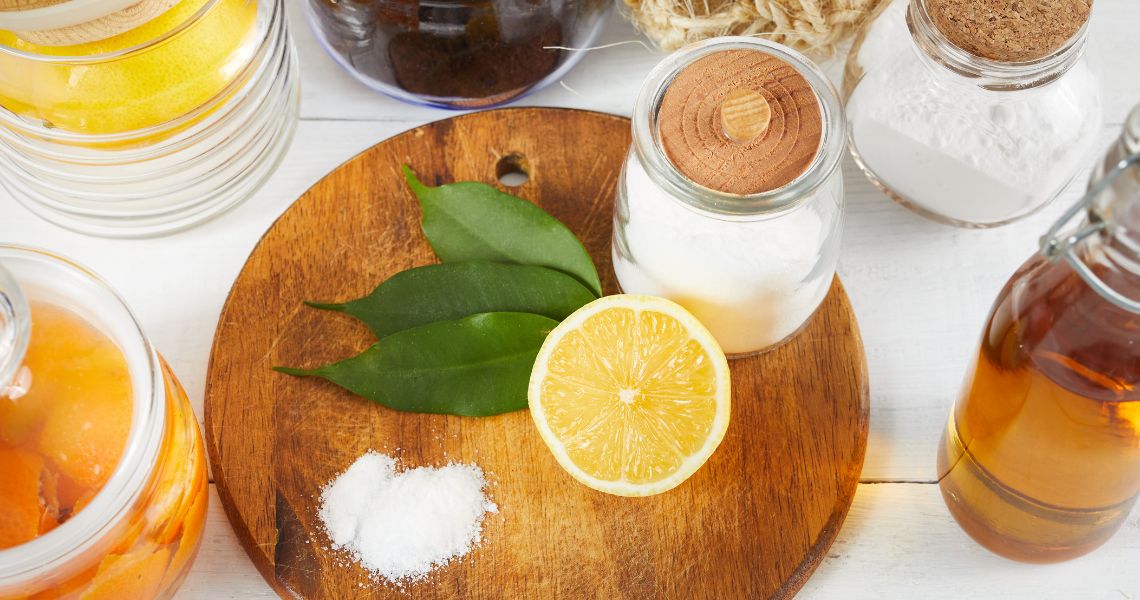
- White cleaning vinegar: this is the number one substitute for commercial fabric softener. Add half a glass (or a generous squirt) to the fabric softener compartment. It helps get rid of detergent residue, softens fibres and neutralises smells, without leaving the smell of vinegar on our clothes once they are dry.
- Baking powder: add half a glass of baking powder directly in the washing machine drum with the clothes, or in the detergent compartment. It is excellent to soften stiff fabrics, neutralise unpleasant smells and balance the pH of the water.
- Combination of Vinegar and Baking Powder: for unbeatable softness, use vinegar when rinsing and baking powder when washing.
Comentarios (0)
What do you think about?
Share comments, opinions and tricks with the Community