

What to see and eat on a weekend in the Sierra de Cazorla
Enjoy a weekend in the Sierra de Cazorla: what to see, the best spots, nature, routes and gastronomy of Jaén you can’t miss.

The Sierra de Cazorla is one of those destinations that surprise. Seemingly endless pine forests, crystal clear rivers, charming towns, breathtaking viewpoints, gastronomy marked by the best extra virgin olive oil all make this corner of Jaén a perfect getaway to help you disconnect. Not surprisingly, it is part of the Natural Park of the Sierras de Cazorla, Segura and Las Villas, the largest protected area in Spain and the largest in Europe.
If you are wondering what there is to see in the Sierra de Cazorla, a weekend is enough to discover some of its most emblematic places, although there will always be a reason for you to return. We propose a tour that combines nature, history and good food to ensure you make the most of your visit. Keep on reading!
Why visit the Sierra de Cazorla
The Sierra de Cazorla covers some of the most spectacular landscapes in Andalusia. Declared a Biosphere Reserve by UNESCO, this nature reserve has more than 200,000 hectares of mountains, canyons, waterfalls and forests where species like deer, mountain goats, mouflon sheep and golden eagles coexist.
But this nature park is much more than nature. It is also historical heritage, small villages painted white, medieval castles and one of the best producers of extra virgin olive oil in the world. For this reason, anyone looking for things to see in the Sierra de Cazorla will find a very balanced mix between culture and gastronomy, ideal for travelling as a couple, with family or friends. Let’s go step by step.
Day 1: Cazorla town and historic centre
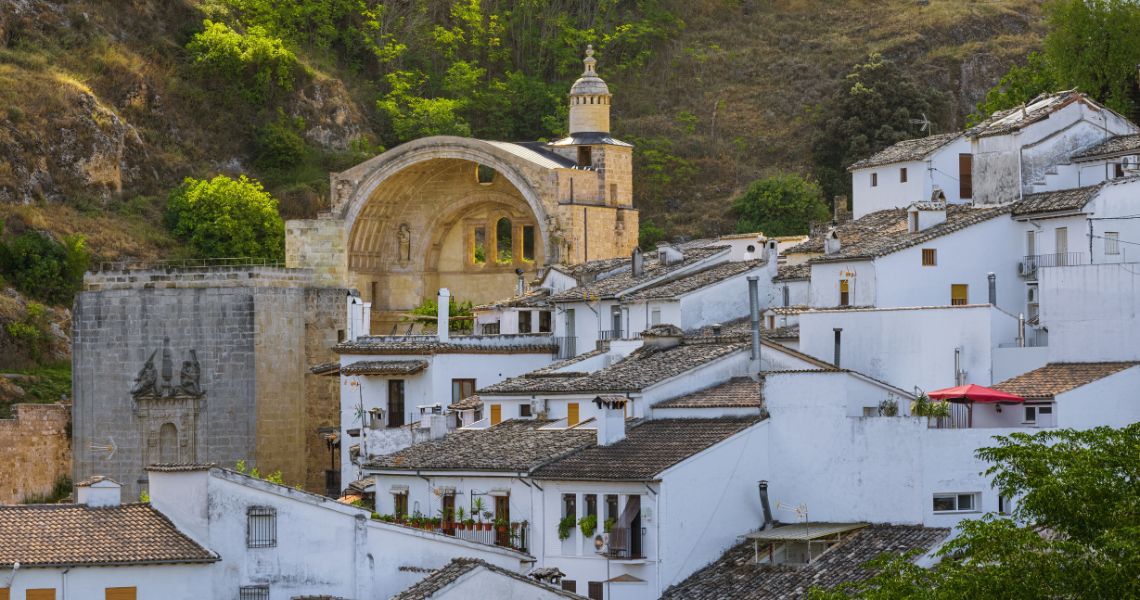
The best way to start our getaway to Sierra de Cazorla is by touring the town that gives its name to the mountain range. Its cobbled streets, squares and historic buildings preserve the atmosphere of a mountain village with a lot of personality.
One of the places not to be missed is the Square of Santa María, presided over by the ruins of the Renaissance church of the same name, a sixteenth-century building which, today, is one of the town’s most recognizable images. Inside is the vault of the Cerezuelo, a unique work of hydraulic engineering built to channel the river under the main square.
Overlooking the town is the castle of Yedra, a fortress of medieval origin housing the Museum of Arts and Popular Customs of the Alto Guadalquivir. From its walls you can get a magnificent panoramic view of the town centre and the mountains surrounding it.
After strolling through these iconic places, why not get lost in the streets of the historic quarter, discover the small shops selling local products and sit in an outdoor café and taste some tapas made with extra virgin olive oil from the region.
Day 2: source of the Guadalquivir and viewpoints
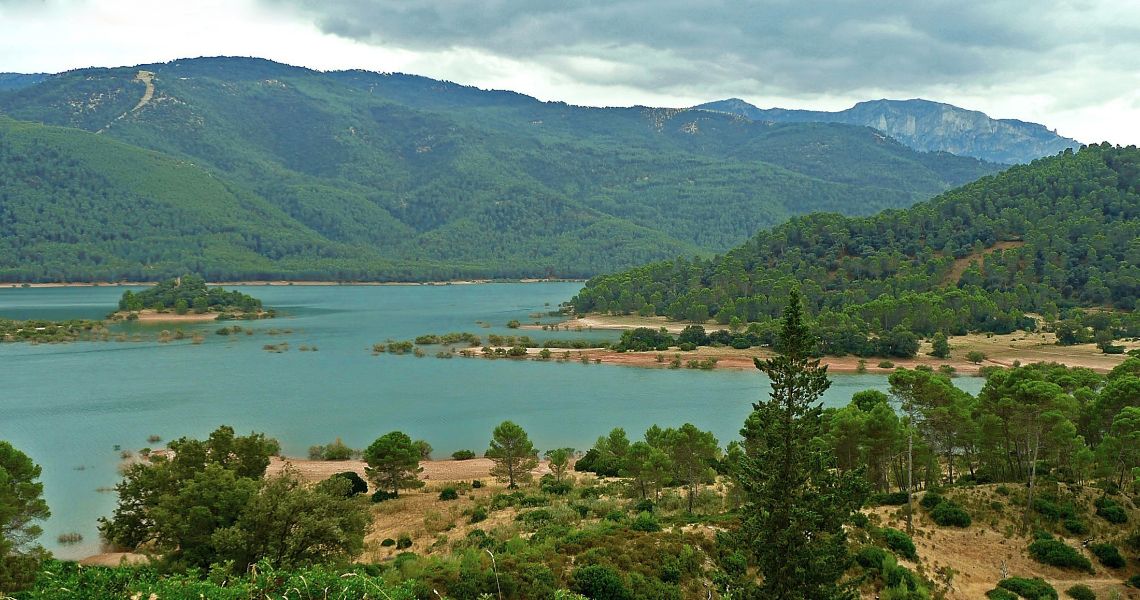
The second day is for visiting the nature park. One of the most visited places is the source of the river Guadalquivir, located at an altitude of more than 1,300 metres, and an enclave of enormous symbolic and tourist value. Along the way, it’s worth stopping at some of the park’s best viewpoints. The Félix Rodríguez de la Fuente viewpoint, for example, affords spectacular views over the valley and is famous because some of the scenes of the series El hombre y la Tierra were filmed there. Another essential stop is the pass of Las Palomas, from where you can see the mountains that make up this immense protected area.
If you have a little more time and you want to know what to see in the Sierra de Cazorla and surroundings, you can visit towns like La Iruela, with its castle perched on a crag, or visit Arroyo Frío, one of the main tourist centres in the area.
Essential hiking trails
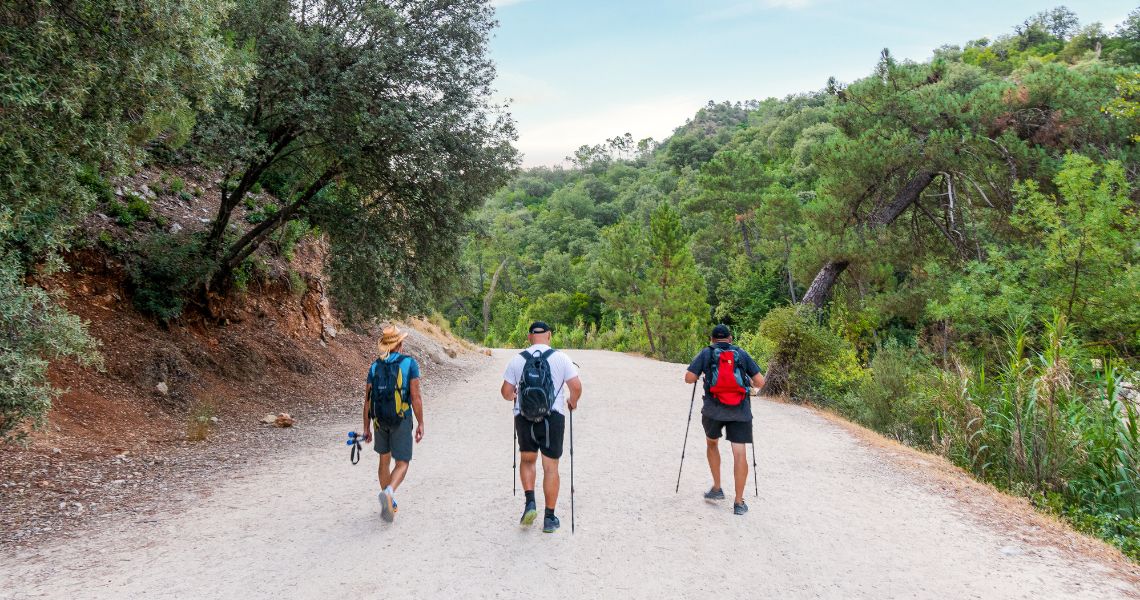
The Sierra de Cazorla is one of the great Spanish destinations for hiking. There are itineraries of all levels, from family walks to more demanding routes. It is advisable, nevertheless, to plan the route in advance, check the state of the trails and wear the right footwear, take water and sun screen, especially during the summer months.
River Borosa
It is probably the most famous route in the park. The trail follows the course of the river between pools of transparent water, wooden walkways and waterfalls, until it reaches the Cerrada de Elías. Those daring to continue can go on to the Aguas Negras reservoir and the Valdeazores lagoon, two spaces surrounded by spectacular mountainous landscape where water, pine forests and rocky walls make up one of the most photographed images of the nature park.
Cerrada del Utrero
It is a short and easy route that affords a view of the impressive canyon carved by the river Guadalquivir as well as the Linarejos waterfall. It is a perfect option when travelling with children.
Sendero del Chorro
Not so well known as the other trails, it offers a pleasant itinerary through Mediterranean vegetation that climbs towards imposing cliffs. It is an ideal spot for birdwatchers due to the presence of vultures.
If your trip is prolonged, you can extend the itinerary and organize what to see in the Sierra de Cazorla in 3 days, incorporating other routes in the park or visiting towns like Segura de la Sierra, considered one of the most beautiful villages in Jaén.
What to eat: gastronomy of Jaén
Travelling through the Sierra de Cazorla also means visiting restaurants and testing typical food. Jaén’s cuisines still has a strong identity linked to extra virgin olive oil, the absolute protagonist of many traditional recipes. But not only that.
Among the most typical dishes are:
- Rin-ran, one of Cazorla’s great gastronomic symbols, prepared with potatoes, choricero peppers, crumbled cod, olives and plenty of extra virgin olive oil.
- Pipirrana, one of the most emblematic dishes and a summer classic, prepared with tomatoes, green peppers, garlic, extra virgin olive oil and, usually, tuna and hard-boiled egg.
- Andrajos, a stew made with flour cakes accompanied by rabbit, hare or cod.
- Ajoatao, cooked mashed potatoes, garlic and extra virgin olive oil.
- Gachas serranas, prepared with flour, water, oil, garlic and paprika, and especially popular during the colder months.
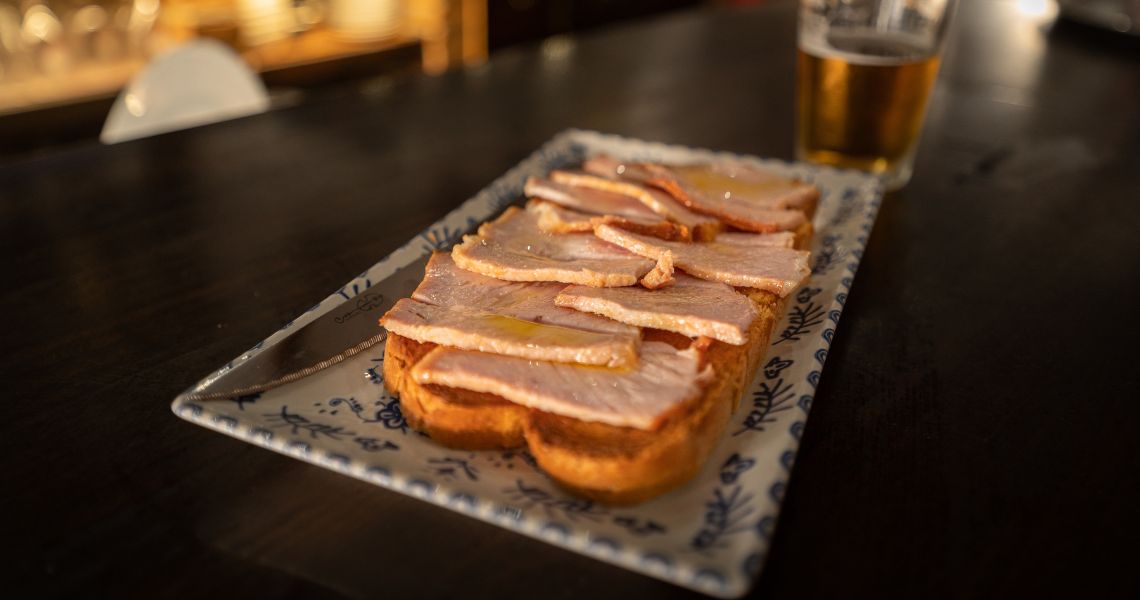
- Lomo de orza, marinated pork which, after frying, is traditionally preserved in olive oil.
- Migas, made with crumbled bread and served with cold meats, peppers or grapes, depending on the season.
And, if we move on to desserts, you can’t leave without trying the papajotes, the fried doughnuts or the sweet ochios, yum!
Practical tips for the trip
To make the most of your getaway, it’s a good idea to keep in mind the following:
- Spring and autumn are the best times to visit the mountains, thanks to the mild temperatures and the spectacular landscape unfolding.
- Remember that, if you plan to go hiking, you must wear suitable footwear and take enough water and check the condition of the trails beforehand.
- On weekends and long weekends, it is advisable to book accommodation in advance, especially in Cazorla and Arroyo Frío.
- Some roads in the park have lots of bends, so its a good idea to plan your journey ahead.
- Always respect the signage and the rules of the nature park to help conserve one of the most valuable natural spaces in Spain.
As you can see, the Sierra de Cazorla, combines all the ingredients for an unforgettable break. Go ahead and visit it!
What do you think about?
Share comments, opinions and tricks with the Community