

At what temperature should you wash your clothes: everything you need to know
Find out the ideal temperature for washing your clothes according to the type of fabric and colour. Avoid damaging them and keep your clothes looking new.

Doubts about what temperature to wash your clothes? At first sight it is a simple matter, but choosing the right temperature can make the difference between a clean garment, and one that has shrunk or faded. Observing the washing temperature protects fabrics and extends the useful life of our clothes. It also saves energy and keeps clothes in better condition for longer.
We are going to explain the differences between recommended temperatures for each case.
Recommended temperature according to fabric type
It is common to hear that washing clothes at 40 degrees makes them shrink, but the truth is that it depends on the type of fabric. To avoid damaging our clothes, the most important recommendation is to follow the manufacturer's instructions, in other words, read the washing instructions on the label.
Once you have read the washing instructions, the following are the recommended temperature ranges according to fabric type:
- Cotton. This is one of the strongest fabrics and can be washed at relatively high temperatures. White cotton items, such as sheets, towels or underwear can be washed at between 40ºC and 60ºC. On the other hand, cotton shirts and other everyday garments are usually washed at between 30ºC and 40ºC.
- Synthetic (polyester, acrylic and nylon). These fabrics are more heat-sensitive, and washing them at temperatures between 30ºC and 40ºC is recommended. At higher temperatures they can lose their original shape.
- Wool. Wool is a delicate fabric and needs to be washed at a low temperature and on a specific wash cycle. Ideally, it should be washed between 20ºC and 30ºC, preferably on a cycle for woollen or delicate garments. We need to bear in mind that these garments can shrink if they are washed at too high temperature, or the texture can change.
- Silk. This is a very sensitive fabric. Washing in cold water is recommended, or at a maximum of 30ºC with mild detergent. In some cases, it may be best to wash them by hand.
- Delicate fabrics (lace, embroidery or fine fabrics). These garments should be washed in cold water or at 30ºC, on gentle cycles to avoid damaging them.
Ideal temperature according to colour
The colour of clothing is also a factor to take into account for washing.
- White clothes: The most recommended washing temperature for white clothes is between 40ºC and 60ºC. These garments usually tolerate higher temperatures, but even so, it is well worth following the instructions on the label and taking the type of fabric into account.
- Coloured clothes: Hot water is not recommended for coloured clothing, as it can fade the colours. Bright colours should be washed between 30ºC and 40ºC as a general rule to avoid fading the colours. If your washing machine has a lukewarm or cold wash cycle, we recommend using it. It is also important to separate coloured clothing from white clothing to avoid the colours running.
- Dark clothes: Black and dark clothing should preferably be washed at 30ºC or in cold water even. This will avoid the hot water fading the colours and them losing their intensity.
Frequent doubts about washing temperatures
Wondering what temperature you should wash your clothes at or how to deal with certain garments is only normal.
Does clothing really come clean in cold water?
Yes. Today's detergents are designed to be effective even at low temperatures. Washing with cold water or up to 30ºC is sufficient for most everyday clothing, providing that it is not very dirty.
Can stains be washed out in cold water?
That depends on the stain. Some stains, such as blood, come out better in cold water, whereas others require lukewarm or hot water and prior treatment using stain remover.
Does washing at lower temperatures save energy?
Yes. A lot of the energy that washing machines use is to heat the water. Therefore, washing at 30ºC instead of 60ºC can considerably reduce the amount of energy required.
If a fabric is washed at 90ºC, does it shrink? Yes, particularly if the fabric is made from natural fibres such as cotton, wool or linen. When washing clothes at 90ºC the excessively hot temperature of the water can cause the fibres to shrink and clothing to lose its original shape or size. Synthetic fabrics such as polyester or acrylic are usually more resistant to heat.
When should higher temperatures, such as 90ºC, be used for washing?
In occasional circumstances, for example with heavily soiled clothing when softening the fabric is required. It can also be used for deep-down, hygienic cleaning, such as with sheets, towels or cleaning clothes. You should always check the label first to see if the item can withstand that temperature.

Practical tips and products for safe washing
Separate clothes before washing, and sort washing by fabric and colour. Protect coloured clothing using products such as colour catcher sheets.
Do not overfill the washing machine. If the drum is too full, the detergent will not be properly distributed and the clothes will not be washed uniformly.
Choose efficient wash cycles. A lot of washing machines have “eco” or low temperature wash cycles to reduce energy consumption.
Always read the labels. Clothing labels provide key information about the maximum washing temperature and the recommended wash cycle.
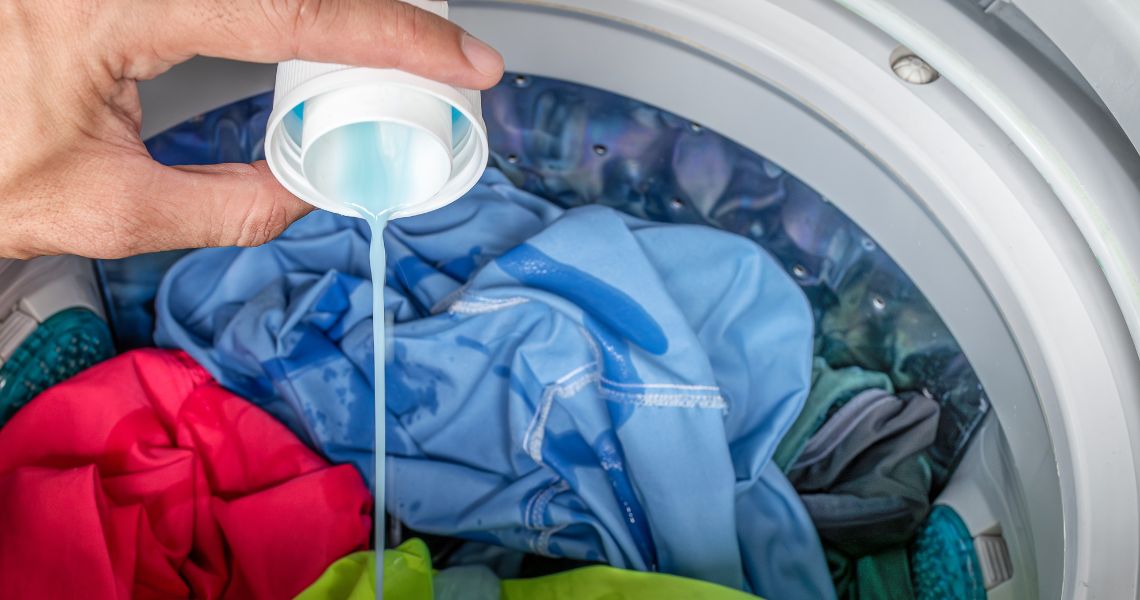
Use the right detergent. Specific detergents for coloured, white or delicate clothing are specially designed to protect each type of fabric. For very dirty clothes or stubborn stains, you can first use stronger detergents designed to enhance washing without the need to resort to high washing temperatures.
Use the right amount. Washing pods or capsules are designed to help us avoid using too much detergent in each wash.
What do you think about?
Share comments, opinions and tricks with the Community