

Phytotherapy: a complete guide to medicinal plants and what each one is used for
Phytotherapy guide: discover which medicinal plants to take to help you sleep, aid digestion, strengthen your defences and care for your skin in your everyday life.

Nature offers many resources for health care, as disciplines such as phytotherapy show. But what exactly is phytotherapy? It is the use of medicinal plants and their derivatives for therapeutic purposes, either to relieve certain symptoms or as a complement to other treatments. Their effects, however, depend on the active ingredients, the dose and how they are prepared.
Although this concept is associated with natural remedies, it should be borne in mind that natural does not always mean harmless. Some plants can cause side effects, have contraindications or interact with other medicines. It is therefore essential to use them responsibly and to consult a healthcare professional whenever necessary.
What purpose does phytotherapy serve?
The benefits of phytotherapy depend on each plant, its components and the scientific evidence available. And although some herbal preparations can help relieve mild digestive discomfort or promote relaxation, they should never replace prescribed medical treatment or be used to treat serious illnesses without professional supervision.
It is also worth knowing the difference between phytotherapy and herbal therapy: whereas herbal therapy is based on the traditional knowledge and use of medicinal plants, phytotherapy focuses on their therapeutic application. Although the names are similar, we should not confuse it with physiotherapy either, which uses physical techniques to improve movement and bodily function.
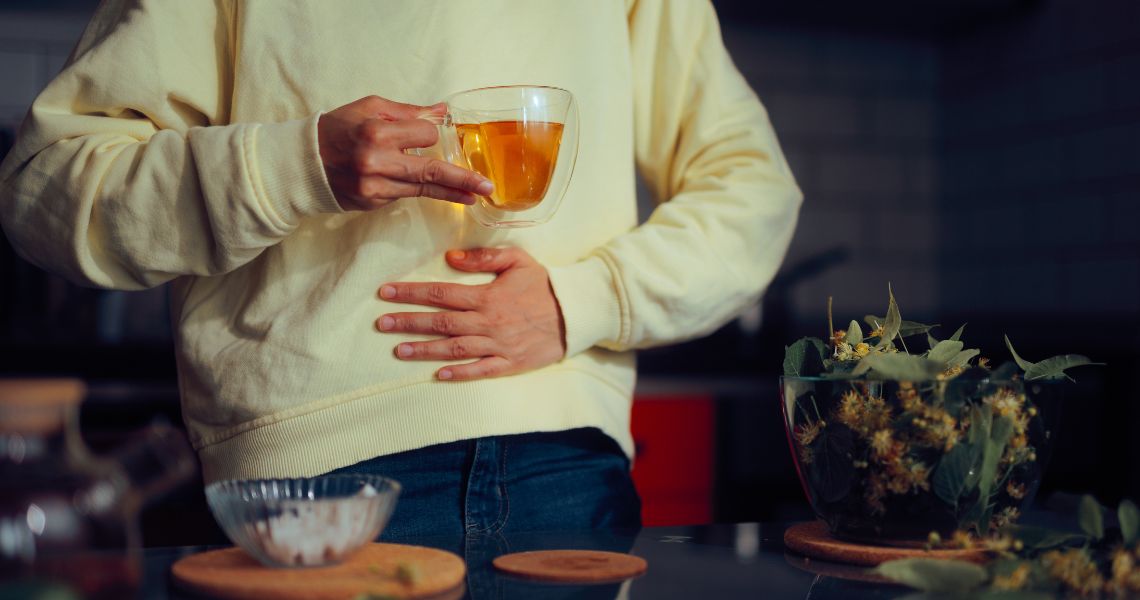
Plants for use in phytotherapy
The world of medicinal plants is broad and diverse. Some, such as chamomile, valerian, ginger, artichoke or echinacea, are traditionally used to promote rest, relieve digestive discomfort or contribute to well-being. Each one has different properties and applications, so not all of them are suitable for everyone.
Another aspect to bear in mind is that medicinal plants and food supplements are not the same thing, since the latter may also contain vitamins, minerals and other substances. We are going to review some of the best-known preparations, their common uses and the precautions to bear in mind. Take note!
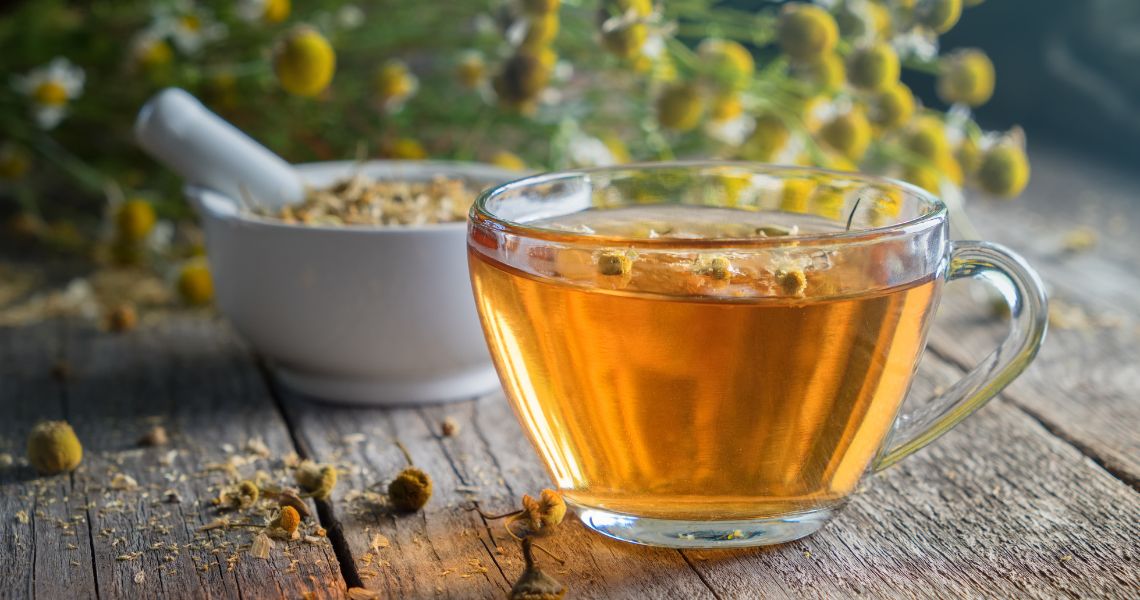
For sleep and relaxing: chamomile, valerian and melatonin
When you find it hard to fall asleep, some medicinal plants can help promote relaxation and rest. Among the best known are chamomile, traditionally used in relaxing herbal teas, and valerian, used to relieve mild nervous tension and help us rest, although scientific evidence on how effective it can be is rather limited. Melatonin is a natural hormone that can help us fall asleep and relieve jet lag.
In any event, these products do not replace good sleep habits, such as keeping regular hours, avoiding screens before bed and maintaining a calm environment.
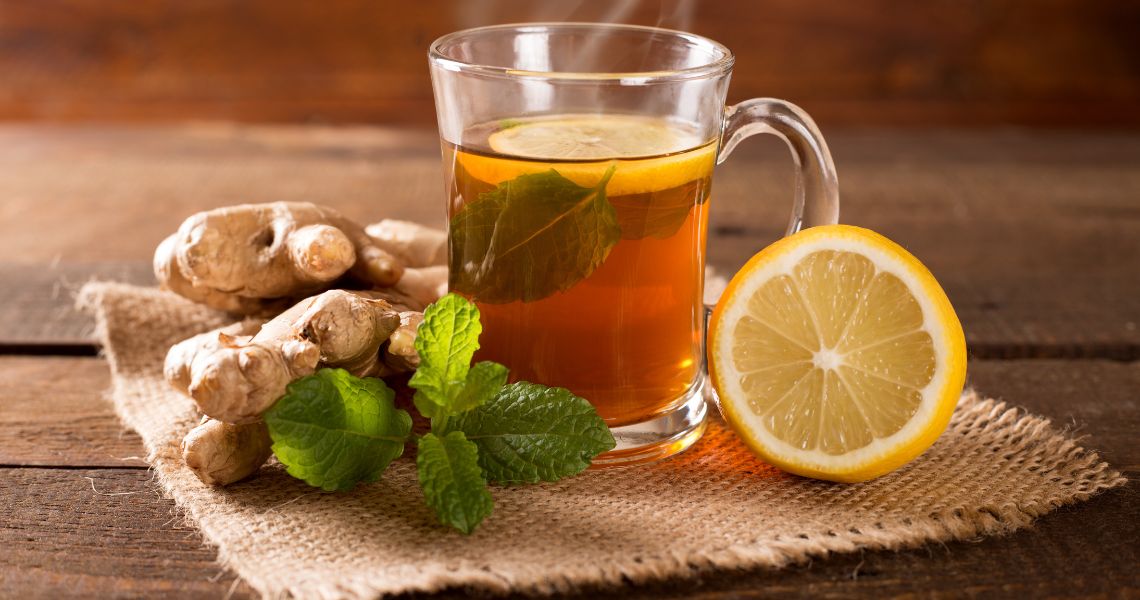
Plants for digestion: ginger and artichoke
After a heavy meal, some medicinal plants can help relieve digestive discomfort. Among them are ginger, whose ability to reduce certain types of nausea has been the subject matter of studies, and artichoke, whose leaf extracts are traditionally used to relieve that bloaty feeling, wind and heaviness. However, their use requires caution in certain biliary conditions.
Although these plants can contribute to good digestion, they do not make up for an unbalanced diet or replace medical care when discomfort is frequent or persistent.
Beauty supplements: collagen, hyaluronic acid and brewer's yeast
Skin, hair and nail care is also diet-related. Among the best-known beauty supplements are collagen, used for skin and joint care; hyaluronic acid, known for its ability to retain water; and brewer's yeast, rich in protein and B vitamins.
However, the scientific evidence for their benefits is variable or limited, and taking them is not always necessary. Before adding a supplement to our beauty routine, it is advisable to check its composition and consider whether we really need it.
Plants for the body's defences: propolis and echinacea
For immune system care, keeping to a balanced diet, resting well, exercising and following vaccination recommendations are all essential. Some natural substances are traditionally used to boost our body's defences, it is true, but none of them are guarantee to prevent colds.
Among them are propolis, produced by bees, and although it lacks any sufficient scientific evidence to back claims that it prevents colds, it may have other beneficial effects (if you like taking it in a herbal tea, there is no reason to give it up). Echinacea also stands out, whose preparations could slightly reduce the risk of catching colds, although the scientific results are still not conclusive.
Plants for slimming and weight control: artichoke, L-carnitine and chitosan fibre
Regarding weight control there are herbal preparations and food supplements such as artichoke, used mainly to relieve digestive discomfort; L-carnitine, which is involved in metabolising fat; and chitosan fibre, which can bind to certain fats during digestion. However, once again, you are warned that there is no solid evidence that these products produce significant weight loss on their own.
The fact is that no supplement replaces a balanced diet, physical exercise and a healthy lifestyle. Therefore, to lose weight safely, it is best to seek professional advice and set realistic goals.
How phytotherapy is taken: herbal teas, capsules and tablets
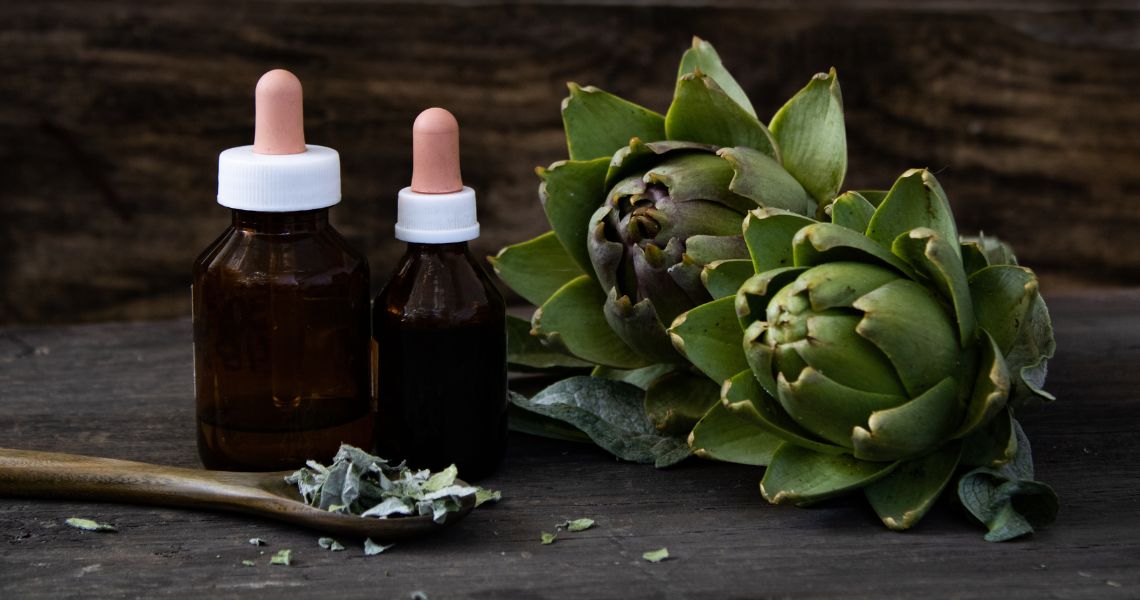
Medicinal plants can be consumed in different ways. The most common are herbal teas, made with hot water; capsules and tablets, which contain powdered plants or plant extracts; and liquid extracts, which are usually administered in drops.
It is important to remember that a herbal tea and a capsule of the same plant do not necessarily produce the same effects, since their concentration may vary. Moreover, some preparations are authorised as herbal medicines, while others are marketed as food supplements.
Before turning to phytotherapy, especially during pregnancy, breastfeeding, childhood or if you take medicines frequently, it is advisable to consult a healthcare professional. Medicinal plants have numerous properties, but also limits, and being fully aware of them will be essential to enjoy their benefits safely.
What do you think about?
Share comments, opinions and tricks with the Community