

Emotional wounds: what they are and how they affect us
Discover how emotional wounds from childhood influence your behaviour, relationships, and emotional well-being in adulthood, and learn to recognise them.

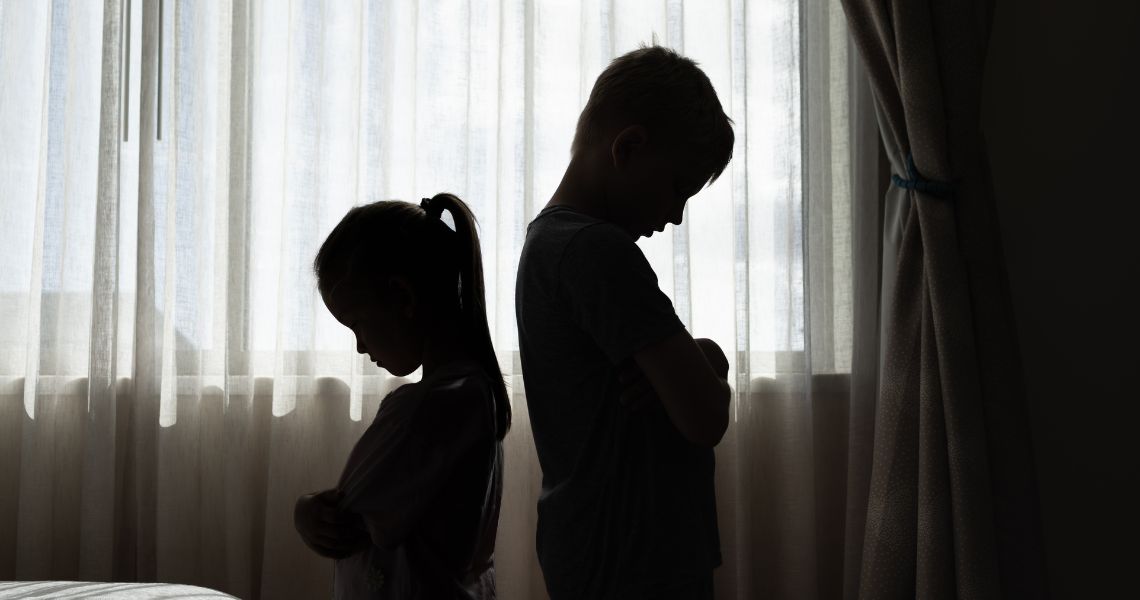
Have you ever wondered why a small criticism from your boss completely paralyses you? Or why you feel a disproportionate sense of panic when your partner takes a while to reply to a message? Often, we blame ourselves for being too sensitive or too intense, without realising that it isn’t the adult we are today who is reacting, but the little girl or boy we once were.
We move through adult life believing we have left childhood behind, yet modern neuropsychology confirms something both surprising and challenging. As Van der Kolk suggests in the title of his book, The Body Keeps the Score, what wasn’t resolved in the early years of life doesn’t disappear; it remains hidden in our nervous system, waiting to be acknowledged.
What are childhood emotional wounds?
We aren’t necessarily talking about major catastrophes such as abuse or severe neglect. Experts such as Dr Gabor Maté, a world-renowned authority on trauma and addiction, explain that trauma is not only about the bad things that happened to us, but also ‘the good things that didn’t happen’.
Emotional wounds are neurological and psychological imprints left by unmet needs during critical stages of development. If you lacked validation, security, autonomy or physical affection, your brain interpreted that absence as a threat to your survival. To protect yourself, you developed defence mechanisms. Those mechanisms, which once protected you as a child, are often the very ones that limit you as an adult.

Types of wounds
Although every story is unique, psychology has identified common patterns. The most widely known model (popularised by authors such as Lise Bourbeau) classifies these experiences into five fundamental wounds, each with its own ‘mask’ or defence:
- Abandonment: arises from a lack of physical or emotional presence from caregivers. As adults, people with this wound often fear loneliness and tend to develop emotional dependency, desperately seeking external validation to feel secure.
- Rejection: occurs when a child feels that their existence is not welcomed or accepted. In adulthood, the defence mechanism is withdrawal or isolation. These are people who prefer not to form close bonds to avoid the pain of rejection.
- Humiliation: develops when a child is ridiculed or shamed for their needs or their body. It often leads to adults who, unconsciously, take care of everyone except themselves, neglecting their own needs to ‘be useful’ and avoid shame.
- Betrayal: appears when attachment figures fail to keep their promises or break trust. As adults, individuals may become controlling and distrustful, believing that if they don’t supervise everything, they will be hurt again.
- Injustice: forms in cold, authoritarian environments rigid, perfectionist adults who disconnect from their emotions, where performance was valued over affection. It often creates to be‘good’ and avoid problems.
How they affect you in adult life
As psychiatrist Van der Kolk explains in the previously mentioned book, when a wound is triggered, the rational part of the brain temporarily shuts down and we enter survival mode. This can lead to:
- Toxic relationships: we repeat painful family patterns because, paradoxically, what is familiar feels safer than what is unknown.
- Self-sabotage: the fear of success or of being seen can hold back our professional development.
- Physical symptoms: chronic anxiety, digestive problems, or fatigue are often somatic manifestations of repressed emotions.
- Emotional dysregulation: we experience explosive reactions (excessive anger) or implosive ones (depression and apathy) in response to everyday triggers.

How to recognise it and start to heal it
Healing involves:
- Self-awareness (‘mindfulness’): observe your reactions. When you feel an overwhelming emotion, ask yourself: ‘How old do I feel right now?’ If you feel small, helpless or frightened, it’s your wound speaking.
- Validation: stop judging yourself. Instead of saying, ‘How silly of me to cry,’ tell yourself, ‘It’s understandable that I feel this way because this reminds me of when no one listened to me.’
- Reparenting: become the parent your inner child needed. Learn to give yourself the security, boundaries and love that were missing at the time.
Healing childhood wounds is the most valuable act of self-love you can undertake. You do it not to blame your parents, but to free your adult self and take the helm of your own life.

What do you think about?
Share comments, opinions and tricks with the Community