
Taste the most traditional Spanish Christmas
Discover the most traditional Christmas dishes in different regions of Spain. Travel and enjoy typical Christmas dishes
of these communities.

Christmas in the Valencian Community: tradition, fire and mediterranean flavour
A typical Christmas sweet is nougat. Turrón from Jijona and Alicante is especially prized worldwide and holds a protected designation of origin in all its varieties, although the traditional favourites are the soft and hard almond versions. Also typical of this time of year are the sugared almonds and marzipan from Casinos, as well as chocolates from Sueca.
If you have a sweet tooth, you can't miss out on trying the sweet potato or cabello de ángel cakes, a must for Christmas Eve and Christmas Eve after-dinner meals. The delicate cocas from some towns, such as Turís bring an aniseed flavour, and the cascas de Reyes, which already existed long before the roscón de Reyes and are traditional
in Gandia and Vila-real, provide the sweet finale on the night of 5th to 6th January.
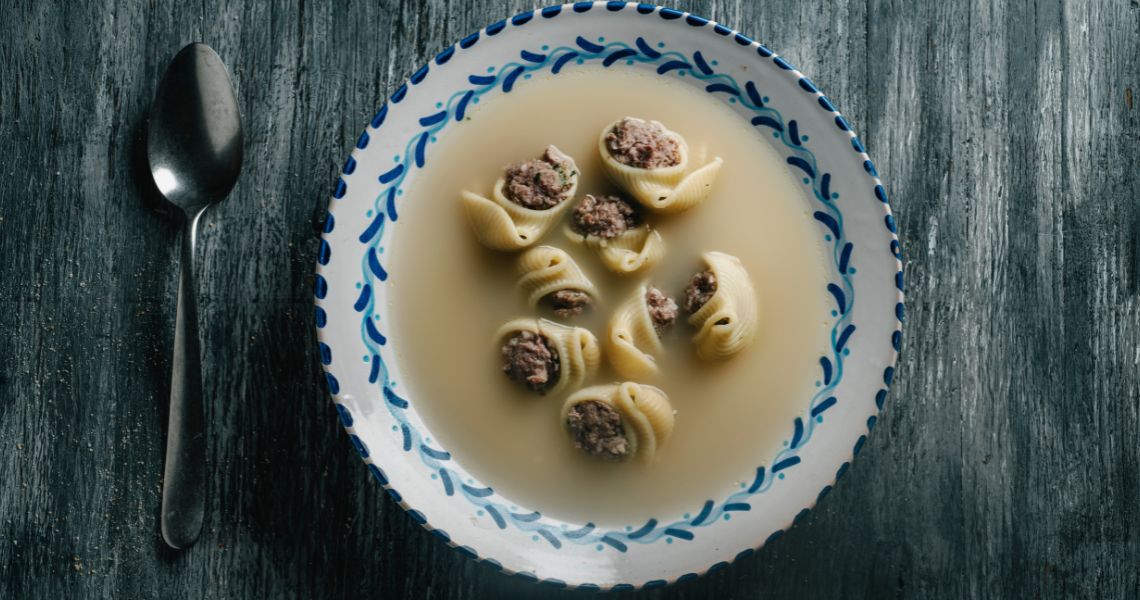
On the night of 24th December, Valencian family tables are never without seafood, such as prawns from Vinaròs, and fish, as well as lamb. But the star dish of this festive season is the traditional puchero de Navidad, a soup with minced meat balls flavoured with different seasonings. In many towns across the Valencian Community, the second day of Christmas is also celebrated. In this country, you can't miss the fruit; oranges, such as those from Nules, are a healthy dessert, leaving room for Christmas sweets.
Christmas in Catalonia: typical dishes you should try if travelling at this time
- ‘Escudella i carn d'olla’, the king of Christmas dishes. Christmas Day begins with the famous 'escudella i carn d’olla', a hearty one-pot meal made with vegetables, meat, pulses, and the traditional galets pasta.
- St. Stephen's cannelloni, a 26th December classic: one of the most popular traditions is to eat cannelloni made with the leftover meats from Christmas Day. It is the quintessential dish of the Catalan Christmas festivities.
- Galets soup, the perfect start to the Christmas meal: this broth is made with vegetables, pulses, chicken, meat, and potatoes, among other ingredients. Once the soup is ready, large snail-shaped pasta called galets (also known as tiburones) is added, along with pilota, a type of meatball made with minced meat, egg, breadcrumbs, and parsley. It can be cooked inside the galets or separately.
- Stuffed free-range turkey: similar to the stuffed turkey served at American Thanksgiving, it is typically filled with nuts such as pine nuts, raisins, dried apricots, other dried fruits, and apple. All this makes the turkey tender and very tasty, with a hint of sweetness.
- Rostit de Nadal or suquet de peix and seafood.
- And for dessert, nougat, neules or wafers (a good complement to sorbets and crème brûlée), nuts and a little pineapple to aid digestion.
- Cava or sparkling wine.
Flavours of Murcia at Christmas: quality of the garden in every dish
Typical Christmas dishes in the Region of Murcia include turkey with meatballs, leg of lamb or kid, and desserts
such as cordials and aniseed cakes. Seafood is also commonly served as a starter, while among the sweets, alfajores, cristóbalas, and Pascua and recao cakes stand out.
- Turkey with meatballs: is a very traditional main dish, often including broth with turkey meatballs made of minced meat, pine nuts and spices.
- Lamb or kid: roast legs of lamb or kid are another popular choice for Christmas dinners.
- Seafood: it’s common to start the meal with a selection of seafood, especially in the coastal areas of the region.
Typical desserts and sweets:
- Cordials: cakes made with marzipan and filled with cabello de ángel.
- Pascua and recao cakes: aromatic sweets made with aniseed, lemon zest, sugar, and ground almonds, distinguished by their shapes and decorations.
- Alfajores: made from almonds, honey and spices.
- Paparajotes: although more closely associated with spring festivities, these fritters made with lemon leaves can also be found at Christmas.
- Cristóbalas: another type of marzipan sweet that is commonly found on Murcian tables.
What to eat in Castilla-La Mancha if you visit at Christmas
At Christmas in Castile-La Mancha, you can eat dishes such as partridge pâté, roast lamb or suckling pig and
sweets such as marzipan, nougat and polvorones, which are common throughout Spain. Also characteristic are atascaburras (a cod dish) and lamb stew.
- Partridge pâté: is a typical starter, especially from Toledo, perfect for this time of year.
- Roasts: lamb and suckling pig are common for Christmas dinners, both in Castilla-La Mancha and in the rest of Spain.
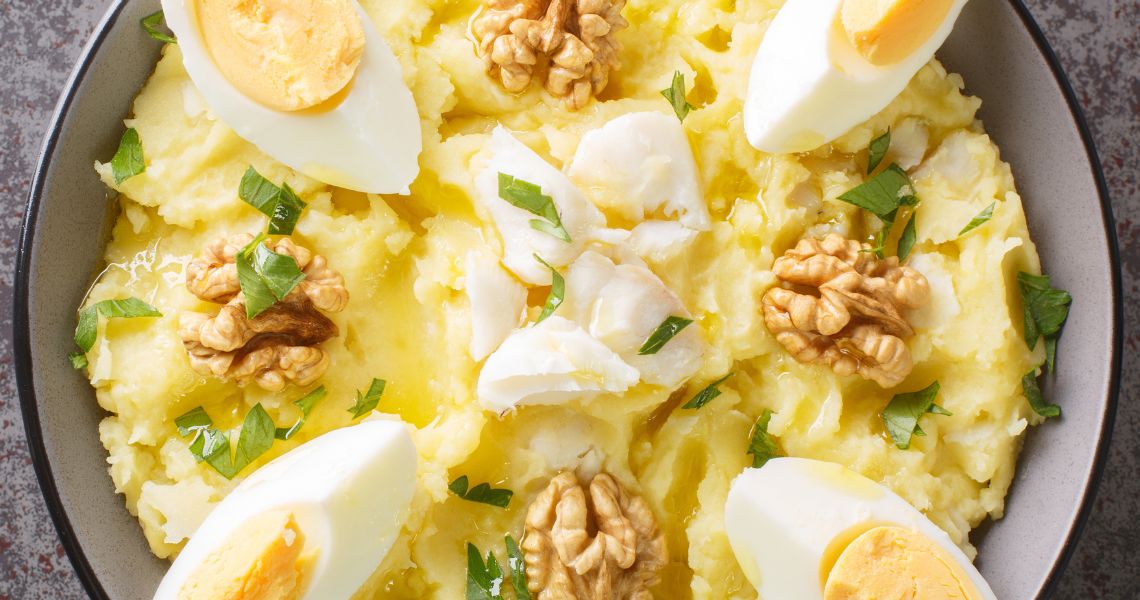
- Atascaburras: is a traditional dish from the region consisting of cod, potatoes and other ingredients.
- Lamb stew: is a very typical stew of La Mancha gastronomy.
- Christmas sweets: toledo marzipan, turrones and polvorones.
Although not specifically Christmas dishes, you can also find regional specialities that are typically eaten at other times of the year, such as pisto manchego, migas manchegas, and duelos y quebrantos, which are also stews.
In Andalusia, taste the moorish orgins
Andalusian gastronomy at Christmas is characterised by its seafood dishes, roasts and traditional sweets
- Picadillo soup: is a broth with bits of shredded free-range chicken, a little ham and finely chopped egg.
- Stuffed pork: is a delicacy with several variations, but it typically features slices of ham from the Sierra Norte of Seville and dried fruit such as apricots or red plums, although some prefer to serve the fruit separately with the sauce or omit it from the stuffing.
- Pork loin in lard: is made with Iberian pork loin from the Sierra Norte de Huelva, which is simmered in lard together with paprika, garlic and bay leaf, among other seasonings. The result is a very juicy and flavourful meat, which is preserved in its own lard.
- Choto al ajillo granadino: It is young goat meat, slow-cooked with garlic, bay leaves, white wine, and spices such as thyme or rosemary.
- Lamb with honey: combines the tradition of Cordovan cuisine, in which honey plays an important role, with lamb meat, which is slow-cooked, and seasoned with spices, such as cumin and cloves.
- Alpujarra-style turkey: marinated with spices such as paprika, garlic, and oregano, it is usually served with a sauce made from almonds and wine, which gives it a very distinctive flavour.
- Typical sweets: pestiños (traditional Andalusian recipe with Moorish origins); mantecados from Estepa; cordovan cake (a kind of puff pastry filled with cabello de angel and sprinkled with sugar and cinnamon); pan de Cádiz (made from marzipan filled with jams, egg-yolk cream or sweet potato); rosquillos; borrachuelos malagueños (small fried pastries filled with cabello de ángel or local sweet potato, flavoured with sweet wine, brandy and spices such as aniseed, and dipped in sugar or honey after frying); bollo mantecaíto from Jaén (a soft sponge cake made with lard, giving it a smooth texture and distinctive flavour, often scented with cinnamon and lemon) or piononos (small cakes made with syrup-soaked sponge, rolled and topped with a toasted egg-yolk cream, typical of Granada).
What do you think about?
Share comments, opinions and tricks with the Community