
Types of glasses and which one to use for each wine
Discover wine glass types: flute, standard, tulip and more. Find out about their uses and choose the right one for each wine like a true connoisseur.

In the sommelier world there is one maxim: the container can transform the content. Therefore, serving a good wine in the wrong receptacle can dull its properties, whereas uncorking a bottle and serving the wine in the right glass can enhance the sensory experience to its maximum.
That is why learning and knowing how to choose the right glass from among the different types of wineglasses is not just a question of aesthetics, but rather a definitive step to learning how to enjoy each wine variety like a true connoisseur. Would you like to find out more?
Why does the type of glass affect the taste of the wine?
The shape of a glass (consisting of the base, stem and bowl) determines how the liquid interacts with the oxygen in the air and how the volatile compounds reach our nose. For example, a surface with an excessive amount of evaporation can disperse the bouquet of a delicate wine, whereas a narrow glass can choke a full-bodied red.
Moreover, the narrowness or wideness of the rim directs the flow of liquid towards specific parts of the tongue when sipping the wine, and we already know that how wine enters the mouth can affect the overall perception of flavour and texture. Therefore, using the right glass for each type of wine will contribute to a more balanced tasting experience.
Wine glasses for red wine
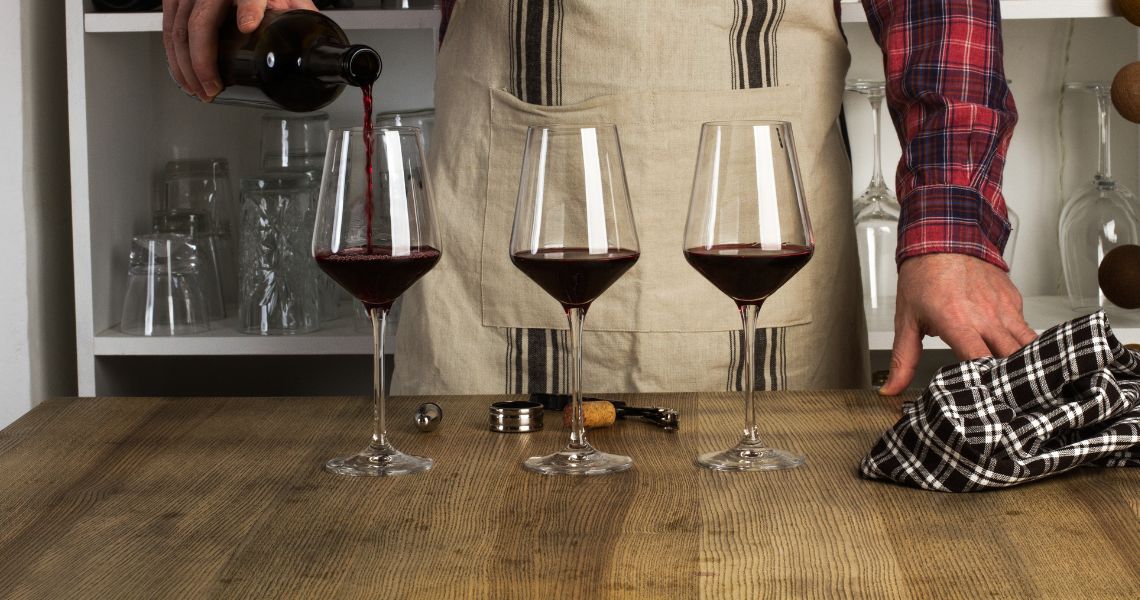
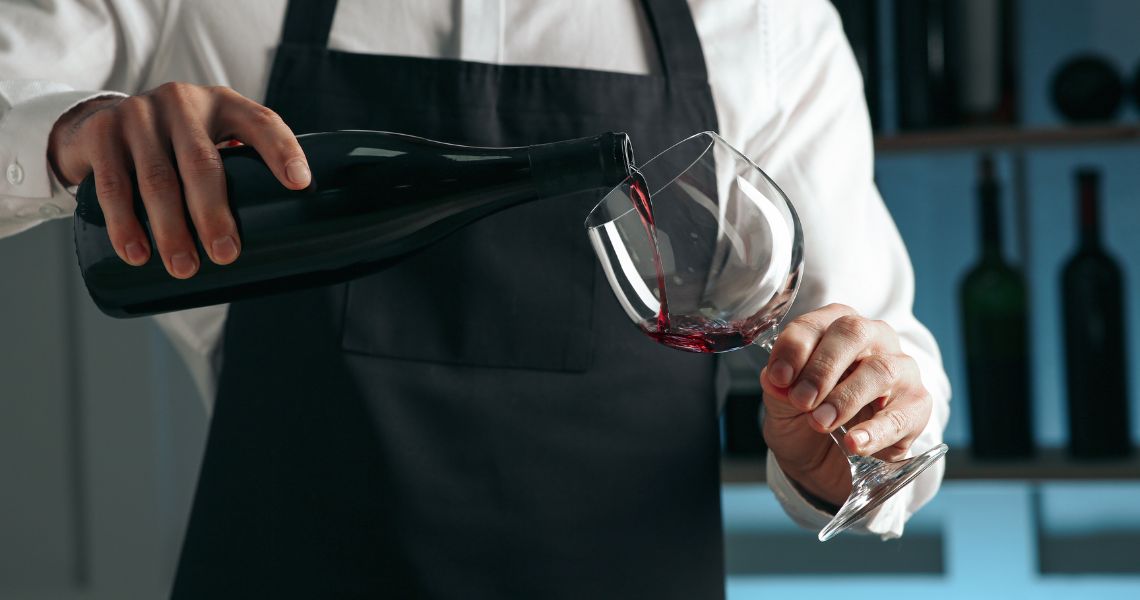
Red wines require more space to allow their full expression to be appreciated. In general terms, wider bowls that allow the right amount of oxygenation are required, which help to soften tannins and release the more complex layers of bouquet. The following are the three indispensable types of glass:
Bordeaux glass: ideal for full-bodied wines
These glasses are the classic tall ones within the different types of wineglasses. They are characterised by being elegant and sufficiently wide, without being overly spherical, and slightly narrower at the rim than at the base. The height of the glass is designed to channel the wine directly to the back of the mouth, to soften the astringency of stronger grape varieties when the wine is cask-aged, such as traditional Bordeaux, Tempranillo and Syrah coupages.
Cabernet Sauvignon glass: to enhance stronger flavours
Although these glasses are similar to Bordeaux wineglasses, according to some manufacturers and sommelier schools, the specific wineglass for Cabernet Sauvignon is specially designed to moderate the strength of full-bodied red wines. They have a large bowl making the perfect air chamber so that the strong bouquet can breath and evolve. Since the flow is directed towards the centre of the tongue, it manages to mitigate any bitterness and enhance the fruitiness, making it an excellent choice for wine-tasting techniques and pairings with rich dishes.
Burgundy glass: for subtle, elegant varieties
These glasses are easily recognisable by their large bowl. The Burgundy glass has a wide, round bowl, narrowing down to a more suggestive rim. The structure of the glass widens the surface area that is in contact with the air, which is fundamental for thin-skinned grape varieties with high acidity and subtle bouquets, such as Pinot Noir or Mencia. As the delicate flavours build up in the large bowl, they are concentrated towards the nose, providing an unbeatable bouquet experience.
Wine glasses for white wine
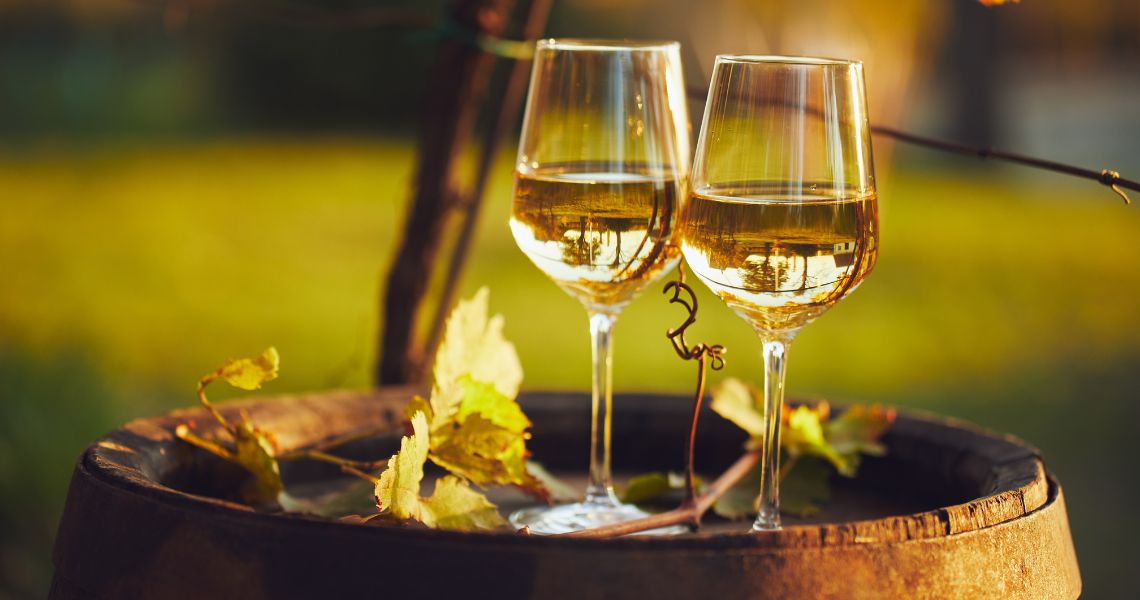
Unlike red wine, white wine does not require large bowls for aeration to appreciate its properties. They are designed to maintain the temperature and enhance the floral and fruity nuances of the wine.
Traditional white wine glass: to conserve freshness
The standard for which wine is a narrower, tulip-shaped glass, with an open rim and notably longer stem. The smaller size is a technical necessity to avoid the wine warming up in the glass before it is drunk, thereby keeping the ideal freshness. Moreover, since it has a narrower rim, it captures and channels the fresh acidity of grape varieties such as Verdejo, Sauvignon Blanc and Albariño more directly towards the tip of the tongue, enhancing its liveliness.
Wine glasses for sparkling wine
The big challenge for sparkling wines (such as Cava, Champagne or Prosecco) is in managing the bubbles (the carbonic gas), while at the same time allowing the more complex nuances of ageing on the lees to reach the nose. There are two main schools of thought to deal with this challenge, whereby two different types of wineglass are used:
Flute glass: to conserve the bubbles
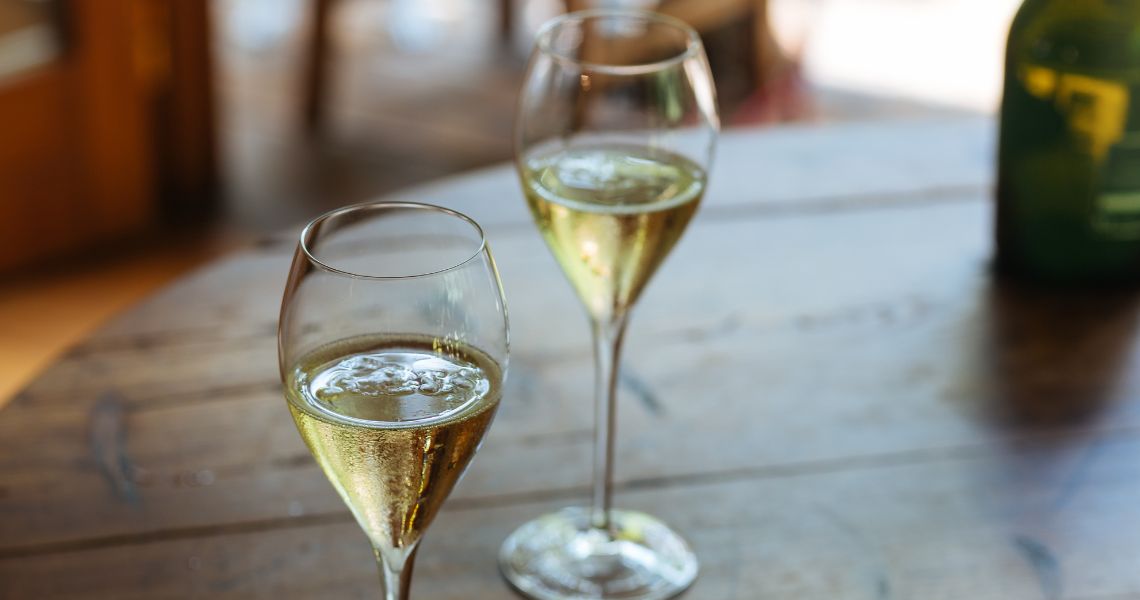
This is the iconic glass for celebrations. It has a long, straight, narrow body. The flute glass minimises the surface area in contact with the air, meaning that the carbonic gas is lost more slowly, ensuring the fizz remains more active for longer. These glasses are fantastic to visually observe the flow of bubbles to the surface and for keeping the crispy freshness of sparkling wine, ideal for serving with hors d’oeuvres and cheerful toasting.
Tulip glass: the wine-tasters’ favourite
At professional wine-tasting sessions, the flute glass has lost its place to be replaced by the tulip glass. The shape is reminiscent of tulips insofar as it has a wider base that narrows off in the middle before slightly widening again at the rim. This design is the best of both worlds: it provides enough space for the complex flavours of sparkling wine to expand (hints of fresh bakery, nuts and yeast), while the top keeps the bubbles in and channels them gently towards the palate, without saturating our taste buds.
In short, the choice of the right glass is not an aesthetic whim, but rather a technical decision to enhance the nose and taste, to balance out flavours and to ensure the work carried out at the winery is fully appreciated. Having a command of the essential designs (from a wide bowl for red wine to the precision of the Burgundy glass or the tulip glass) will make uncorking a bottle a truly professional experience. Get the right glasses for each type of wine and enjoy each variety to the maximum!
What do you think about?
Share comments, opinions and tricks with the Community