

Hamster breeds: a complete guide to their needs
Learn about different hamster breeds and how to care for them to keep them happy and healthy.

Small, curious, and full of energy as soon as night falls, hamsters have won a special place in households everywhere. Hamsters are adorable, but each breed has important differences you should know about before choosing one as a pet. Not all hamsters are the same: some need more space, their diets differ, and even the way they interact can vary by species. Knowing a little about hamster breeds is the first step to giving them a healthy life that suits their nature.
In this article, we cover the main hamster breeds, how to tell them apart, and how best to look after them. From the largest hamsters who like their own space to the smallest and fastest, you’ll discover what makes each breed unique and what they need to stay healthy and active.
Characteristics and differences of each hamster breed
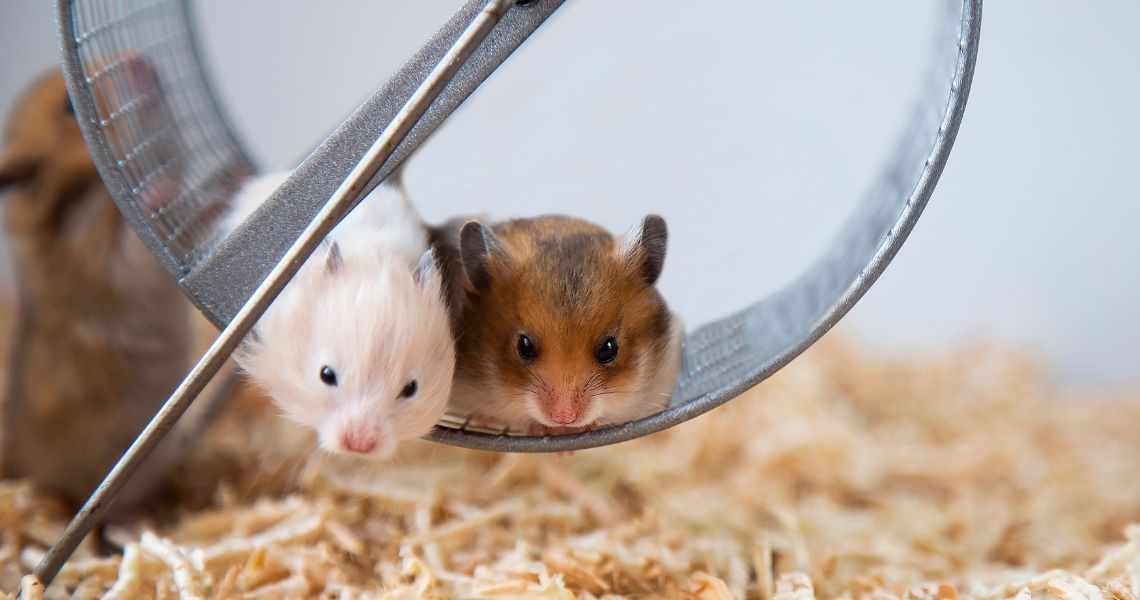
Several species and varieties are popular among people looking for a small pet. The most well-known are Syrian (or golden) hamsters, dwarf hamsters (such as Campbell's, Winter White, or Roborovski), and Chinese hamsters. Syrian hamsters are the largest and, due to their territorial nature, they should always live alone. They grow up to 15-20 cm and make wonderful pets if you take the time to get them used to you.
Dwarf hamsters (Campbell's, Winter White) are smaller and often more sociable with each other if introduced from a young age. They can live in pairs or small groups of the same sex, but it's best to monitor their behaviour and prevent fights. Roborovski hamsters are the smallest of all, and are known for their speed and curiosity. Their size and speed, however, make this breed the least suitable for children. Finally, Chinese hamsters are medium-sized and much calmer than Roborovskis, but not as hardy as their Syrian cousins.
It's important to know at least the basics about each of the hamster breeds so you can adjust their cage, wheel, and environment accordingly.
Care tips according to hamster breed
Although all hamsters share basic needs (a balanced diet, fresh water and a clean environment), each species has particularities that directly influence their well-being. Providing the right care according to the type of hamster you have, is essential if you are to prevent stress, health problems, or unwanted behaviours in your pet.
Syrian or golden hamster
This is the largest and also the most territorial breed. As mentioned, this breed will often fight with other hamsters, so they should always live alone. You'll need a large cage, and a wheel that is a minimum of 28 cm in diameter to protect its spine. This breed doesn't mind being picked up if you socialise them from a young age. A good option for anyone looking for a calm and manageable animal.
Dwarf hamsters (Campbell's, Winter White)
Smaller and more agile, these hamsters require narrower bars and a closed cage to prevent escapes. Unlike the Syrian variety, they can coexist with others of the same species if they are raised together, although it is always necessary to keep an eye on their behaviour. They are more prone to diabetes, so it's a good idea to limit fruits and sugar-rich foods.
Roborovski dwarf hamster
These hamsters are the smallest and most active. Caring for them means providing a fun environment: tunnels, sand for digging and wheels suited to their size. They don't usually enjoy direct contact with people, so they are ideal for people who prefer to just observe their natural behaviour. Due to their speed, they need a fully secure cage.
Chinese hamster
Less common as a pet, this breed combines the traits of large and dwarf hamsters. They have a more independent character and can sometimes tolerate company, but it's generally best to keep them on their own. They like having ample space to explore and toys that encourage nighttime activity.
With all types of hamsters, it's important to be respectful of their needs. Allow them to follow their nocturnal rhythm and avoid waking them up during the day. Keeping their living space clean and scheduling regular check-ups with a specialist are key parts of a thoughtful, species-specific care routine.
Healthy snacks that are safe for your hamster to eat
Treats are a good way to strengthen bonding and training, always in small amounts. Tiny pieces of fruit or vegetables, such as apples and pears (without the pips), or cucumbers and courgettes are fine to give them occasionally, but grapes and rhubarb should be avoided. Single proteins (a piece of boiled egg or dehydrated insects such as mealworm larvae) are beneficial if dosed correctly.
Unsalted seeds and nuts (sunflower, pumpkin) can also be a nice treat, but be sure to offer them in moderation as they are high in calories. Try to avoid sugary foods or those made for humans, as many processed snacks contain sugars and additives that aren't suitable for hamsters. Always introduce new foods gradually and keep an eye on how your pet's digestion reacts.
Knowing the basics about the various hamster breeds and what each of them need not only ensures their well-being, but also makes having a pet more enjoyable for you. Each species has its own traits and care needs, and getting to know what these are is the best way to truly appreciate your little companions.
What do you think about?
Share comments, opinions and tricks with the Community