

Types of chicken
More chicken is consumed every day but is there only one type of chicken or are there different types? We tell you the types of chicken and the differences.

Chicken is one of the most highly-consumed meats in our country. On average, Spaniards consume around twelve and a half kilos per person per year. But is there just one type of chicken or are there different ones? We tell you more below.
Nutritional value of chicken
- A source of protein, with easily digestible essential amino acids. A small chicken breast provides you with 30% of your recommended daily protein.
- Low fat content.
- Provides B group vitamins which are essential for the proper functioning of the nervous system.
- A source of minerals, like phosphorus, which helps to maintain bones and teeth. It also provides iron, which is essential for the formation of red blood cells, and potassium which helps with nerve and muscle function.
White or corn-fed chicken. What does it depend on?
The colour of chicken meat has nothing to do with its origin or its quality. It largely depends on the food the animal is fed on.
The chicken originated in Asia, where there was no corn. So originally, it was white. The colour of the meat will be affected by the amount of corn that is incorporated into their food. If you feed them a diet high in corn, the chicken will not assimilate all of this and some will be deposited in the skin, which will turn it yellow.
Differences between types of chicken
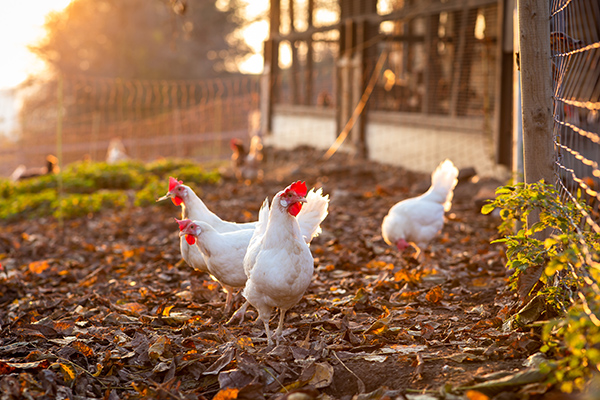
- Conventional: this has white meat (broiler chicken), and is reared for 35-50 days. As it is not fully grown, it has weak bones which may often resemble cartilage. Chickens are reared under an extensive farm system with enough space for them to move, never in cages, and as they grow and increase in size and weight, the breeders give them more space.
- Slow growth: these are the outdoor, farm or free-range chickens. They put on more fat during their growth which gives them a more pronounced flavour. Rearing outdoor chickens is not that different to rearing conventional chickens. The main difference is that they are allowed to grow for longer so that they attain a larger size and weight. The breeds used are: Corn-fed “redbro” or “red label” chickens, although a large number of breeders use the same fast-growing, white chickens (broilers) as the industrial breeders. Having had a longer growing time, they have better formed and harder bones which imply a more developed and flavoursome meat. They tend to be fed 100% on cereals, of which corn makes up 60-65% and is what gives them a yellow colour.
- Organic: the main difference from the previous two is their food, which is made from organic grain, which is cultivated organically. They are also grown slowly, and the label has the European organic logo (green square with a leaf made of white stars).
Benefits of chicken meat
- Healthy: it is low in fat and in calories and high in protein, which makes it ideal for weight control.
- Tasty and tender: it has a unique combination of texture and flavour, and is perfect for both children and older persons.
- Econonomical y versatile: it is one of the most affordable meats on the market and it can be bought whole, cut, or as pieces: wings, breast, legs… with which you can make a multitude of recipes and is good in a variety of combinations with other foods and condiments.
- Reliable and available: Reliable and available: it is produced under the highest quality standards and you can buy it at any time of the year.
What do you think about?
Share comments, opinions and tricks with the Community