

Toy dogs: a guide to care, feeding and popular breeds
Discover what toy dogs are, the most popular breeds and how to care for them properly. A guide to feeding, care and everyday life.

They say that the finest essences are kept in small bottles, and anyone who shares their home with an adorable four-legged companion knows that this saying is absolutely true. Toy dogs are not simply “miniature dogs”, they have personalities that captivate and enchant in equal measures. But don’t be fooled by their teddy bear size: their needs are as great as their loyalty. In this guide, we set out everything you need to know so that your small but mighty friend grows up healthy, strong, and above all, happy.
What is considered a toy dog in terms of size and weight?
In the world of dog breeding, the term toy is not just an affectionate label, it is a category defined by international bodies such as the FCI (International Canine Federation). For a dog to belong to this select club of toy dog breeds, the clearest examples of which are the Chihuahua or the Yorkie, they typically weigh between 1.5 and 3 kilograms.
As for height, they generally do not exceed 25-28 centimetres measured at the shoulder (what experts call the “withers”). In fact, they are so small that you could carry them in a handbag or comfortably in one arm without getting tired. This genetic miniaturisation makes them perfect for living in a flat, although they will see themselves as the overlords of the entire neighbourhood.
Differences between toy and mini dogs
It’s normal to confuse the two, but it’s all in the detail. The main difference lies in scale:
- Toy dogs. Rarely exceed 3 kg. Classic examples are the Chihuahua and the Yorkshire terrier.
- Mini (or small) dogs. Include dogs weighing between 5 and 10 kilograms. Breeds like the French bulldog or the Beagle are part of this group.
People sometimes talk about toy and mini dogs as if they were similar, but it’s important to understand that toy dogs need much more specific care due to their bone fragility and their metabolism, which is significantly faster than that of their mini-sized cousins.
Favourite foods and snacks
Feeding a dog of this size is not simply about giving them less food. Because of their size, they have a small stomach but a very high energy demand. Their metabolism burns calories at an extremely rapid rate, which makes them prone to hypoglycaemia (low blood sugar) if they go for too many hours without eating.
Because of this, food for toy dogs should be:
- Highly concentrated. With high-quality nutrients so that small amounts provide enough energy.
- Mini kibble. The kibble size should be extremely small to make chewing easier and prevent choking.
- Rich in prebiotics. As their digestive system tends to be more sensitive.
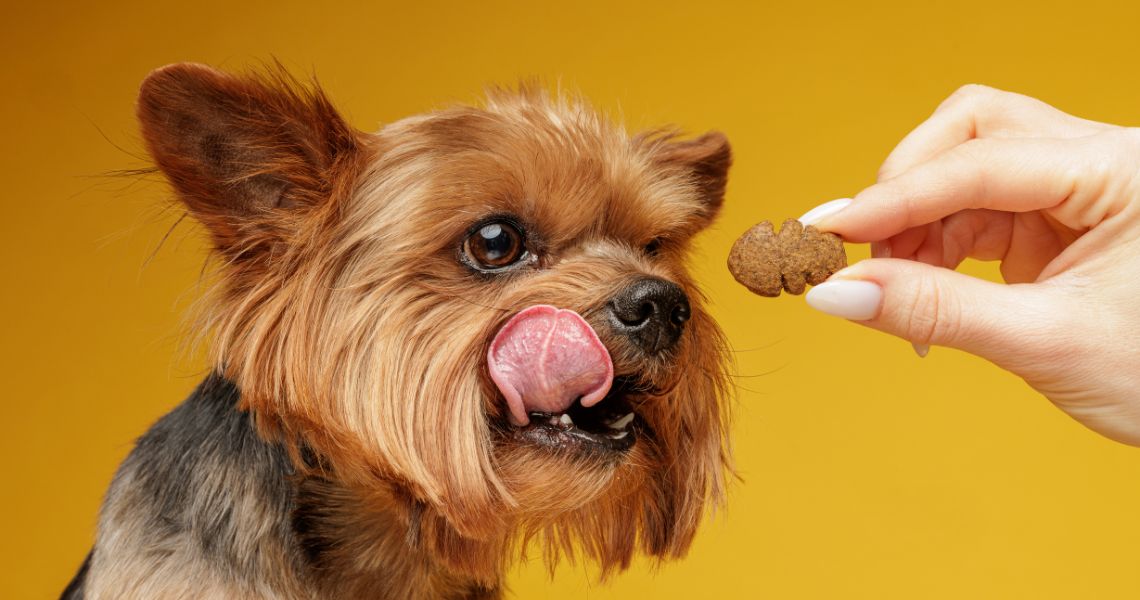
As for snacks, choose natural options that are soft textured or cut into very small pieces. A little piece of apple (without the seeds) or treats specifically for small dog breeds are ideal for strengthening your bond without upsetting their diet.
The most popular toy dog breeds
If you’re thinking about expanding your family, these are the breeds that top the popularity rankings due to their temperament and adaptability:
- Chihuahua. The king of the category. Brave, lively and deeply attached to its owner.
- Toy poodle. Pure intelligence. One of the easiest breeds to train, and hardly sheds any fur (a big plus for cleaning the home).
- Maltese. Instantly recognisable due to its silky white coat. The perfect play companion thanks to its friendly nature.
- Yorkshire terrier. Although small, it retains its strong hunting instinct and is a natural watchdog with a big personality.
- Pomeranian. Resembles a little pocket lion. It’s extremely affectionate and is always alert.
Basic care for your toy dog
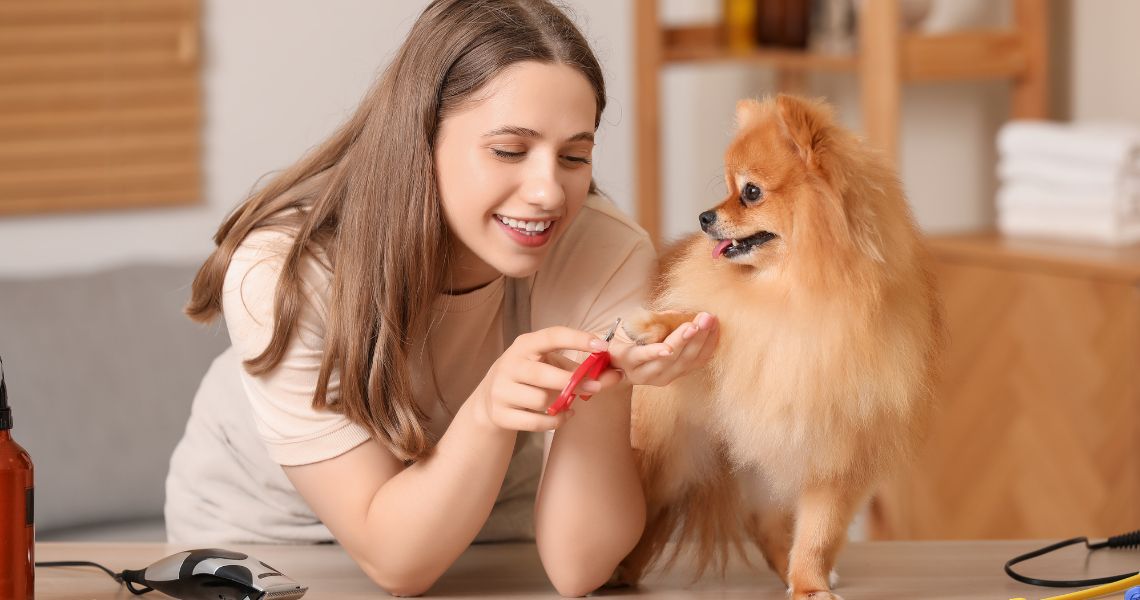
Caring for these small dogs requires a mix of gentleness and discipline. Take note of these key points:
- Pay attention to temperature. With little body fat, they suffer greatly from the cold. This isn’t about aesthetics, it’s about health: a good coat in winter is essential.
- Dental hygiene. This is their weak spot. They tend to build up a lot of tartar, so regular tooth brushing and dental toys are a must.
- Socialisation. Due to their size, we tend to overprotect them and pick them up at the slightest sign of anything. That’s a mistake! They need to walk, sniff and interact with other dogs to avoid becoming fearful or aggressive.
- Veterinary check-ups. Their heart and joints (especially their knees) should be monitored by a professional on a regular basis.
Living with a toy dog is discovering that love cannot be measured in centimetres. They are exceptional companions and, with the right care, will fill your life with joy for many years. Are you ready to fall for the charm of these small but formidable companions?
What do you think about?
Share comments, opinions and tricks with the Community