
TO BEGIN WITH, OPEN YOUR EYES!
by Marta Burgos/ Sommelier and technical manager at Cebreros PDO

The aim of this section is for us to become "enjoyers" of wine, and be able to take advantage of any moment at home to enjoy good wine and good company, so let's get to it without further ado. The first thing is to relax and find someone to share the moment with, in good company. You will see that this alone is worthwhile, but if we also manage to appreciate the nuances, and recognise the virtues of the wine, the experience will be more complete.
To understand what a wine expresses, we have to follow the three phases of tasting: seeing, smelling, and tasting. In this article, we will focus on the first one, the visual phase. To begin with, looking at a wine allows us to make an initial basic classification. Sight will tell us if it is a white, rosé, red or sparkling wine. And it will give us a clue about the grape it comes from.
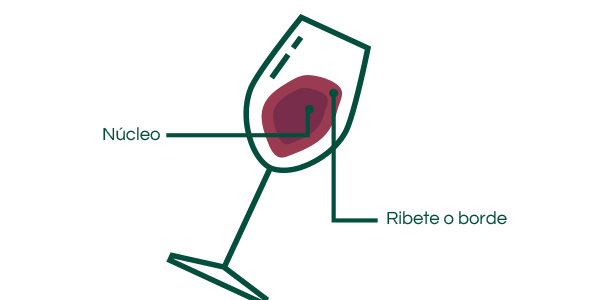
Once served, on the white background of a tablecloth or a sheet of paper, we should incline the glass slightly and look at it from top to bottom. This way we will distinguish two parts: the rim, which is the lighter edge, and the nucleus, where there is more wine. The rim gives us an idea of how the wine has aged; it tells us if it is young or if it has spent months or years in the barrel.
In red wines, the purple colours will indicate that they are young wines, and as the rims get darker, they will indicate a greater ageing. In white wines without ageing, we will see greenish highlights, and when they are aged, the rim will become more golden.
Later, without changing the position of the glass, we will be able to appreciate the intensity of the colour. When we compare different wines - it is more evident in red wines - we can see that some are more transparent than others. And, despite what it may seem, a greater colour intensity does not imply better quality. In fact, there are grapes that have thinner skins and therefore provide less colour to the must.
TELL ME WHAT COLOUR YOU ARE....
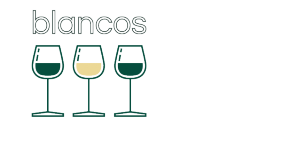
- Pale green, straw yellow: Young, not aged in wood. They are usually dry wines.
- Golden yellow: With ageing in wood. The colour intensity increases with the age of the wine. This is normal in sweet wines.
- Ochre yellow: Very old wines. This may also indicate oxidation and decline.
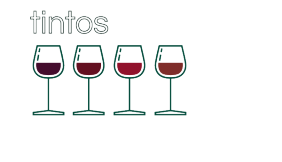
- Purple, violet: Young, unaged wines.
- Ruby: This reveals short ageing in wood.
- Red: Wines that are usually at their best, balanced.
- Mahogany, brick: For very old wines, with long ageing. A very marked brick colour reflects a certain decline.
What do you think about?
Share comments, opinions and tricks with the Community