
Where to throw out unwanted stuff: Easy guide to get rid of what you no longer need
Find out how and where to throw household things away safely and responsibly. Tips for decluttering, freeing up space, and getting rid of what you no longer use.

After the summer, a new cycle begins, and you are sure to want to get rid of or throw away things that you no longer use and are simply in storage and taking up space in your home.
What to do with the junk you no longer use?
To decide on how to get rid of everything you don’t use, first check their condition and size. Here are the different most effective options:
1. Municipal collection and recycling points: to throw out anything that is no longer of use.
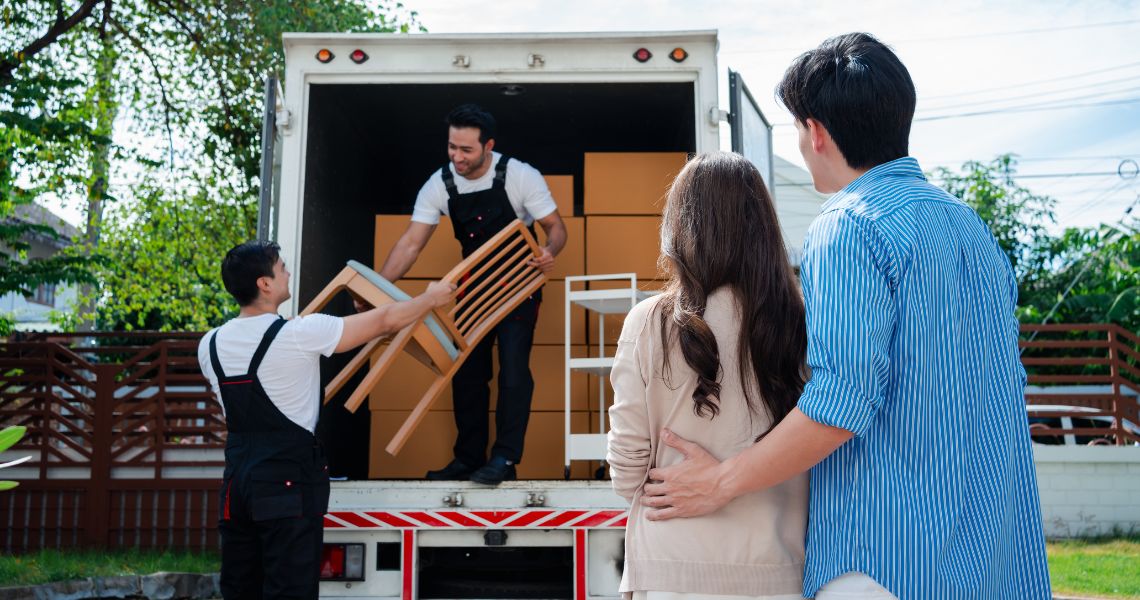
- Home service: Most town halls offer free collection of furniture and bulky junk at your doorstep. Call your council’s citizen service telephone number to arrange a day and time.
- On the other hand, it is mandatory to take bulky objects or objects with polluting components, such as electronic devices, paints, mattresses or broken furniture, to the waste facilities (Eco Parque). It is the only way to ensure its correct recycling.
2. Donation and social projects: to donate old things in good condition.
- Clothing Containers: deposit garments, footwear and textiles in the authorized containers of NGOs that are located on streets
- Charities: organizations such as Caritas, the Red Cross or charity markets collect furniture, books, toys and appliances that still work to give them to vulnerable families or sell them to finance social projects.
3. Second-hand sales: to give a second life to used items.
- Mobile Apps: upload photos and write a detailed description of the valuable objects to platforms such as Wallapop, Vinted or Milanuncios. Plus, it's a quick and convenient way to earn extra income.
- Buy and sell shop: Take your old items, books, or tech devices to physical second-hand stores that pay on the spot or take them on deposit.

Where to throw away items that can't be recycled
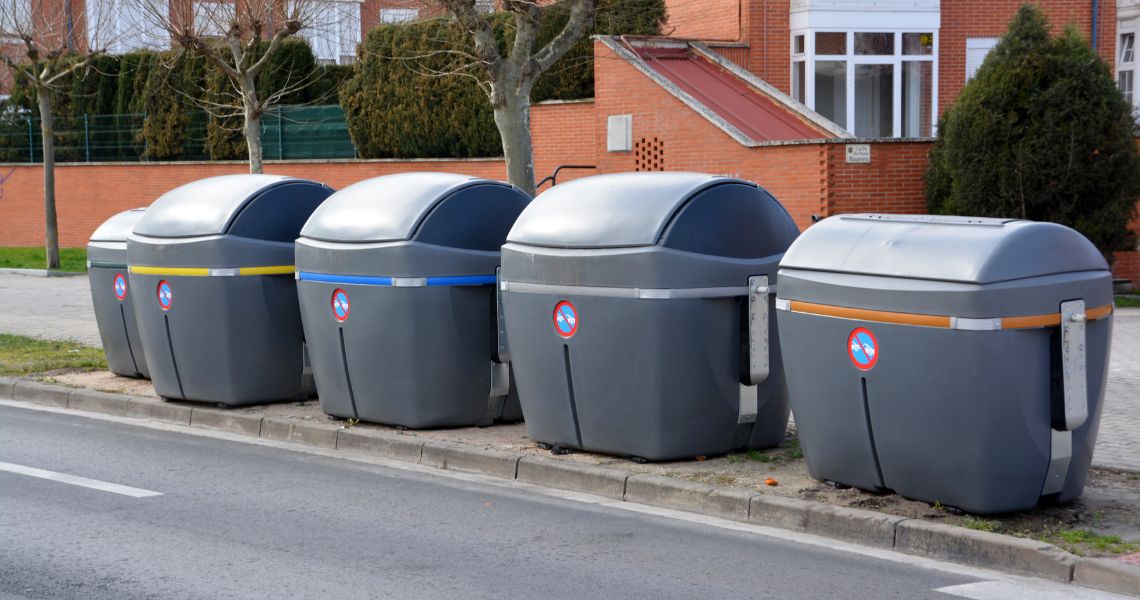
Objects that cannot be recycled must be thrown away in the traditional waste container or at the recycling point, always depending on their size and danger. The waste bin, which is usually grey or dark green, is intended exclusively for small, non-hazardous household waste, such as nappies, wipes, broken crockery, glasses, old pans, pens and mirrors.
A frequent mistake is to throw this waste into the yellow bin, which only takes packaging such as bottles, cans and cartons. The only exception is the containers of expired medicines, which must be deposited in pharmacies.
What do you think about?
Share comments, opinions and tricks with the Community


Aquí ponen un camioncico un día a la semana para dejar pequeños electrodomésticos y esas cosas para q puedas tirarlos...
Aparte claro está del punto limpio... Y del.telefono de recogida...
Aquí ponen un camioncico un día a la semana para dejar pequeños electrodomésticos y esas cosas para q puedas tirarlos...
Aparte claro está del punto limpio... Y del.telefono de recogida...