
Segovian-style roast suckling pig: a traditional recipe
Discover how to prepare a Segovian-style oven-baked suckling pig, with crispy skin and tender meat. Traditional step-by-step recipe and key tips.

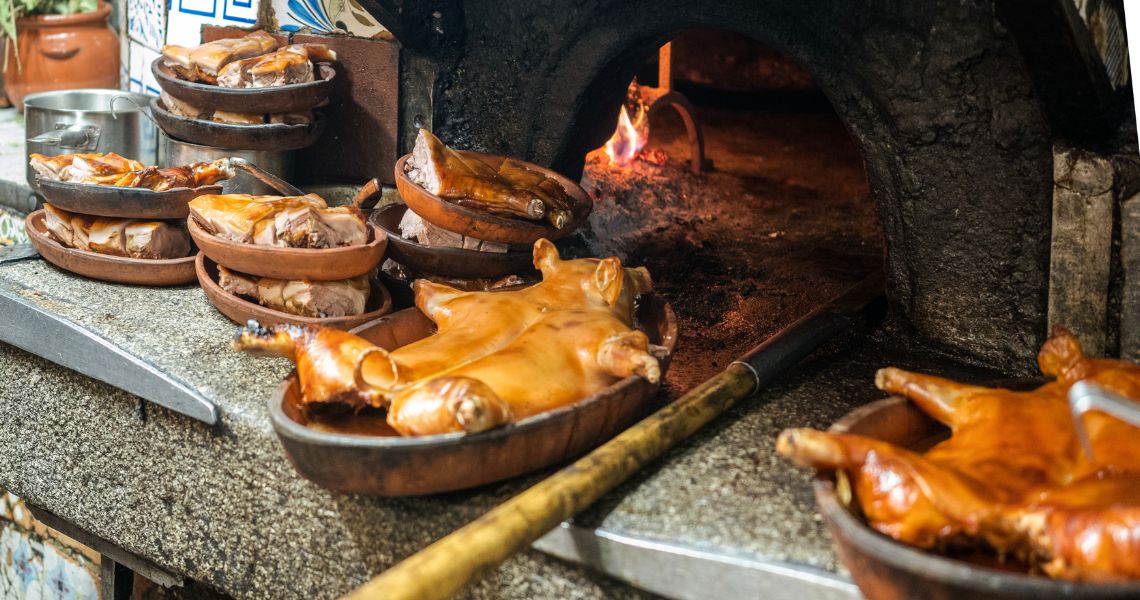
Few dishes represent the essence of Castilian cuisine as faithfully as the Segovian suckling pig. This roast is not just a staple of Castilian historic inns; it is a product with its own official quality seal. Its pale meat, delicate texture, and subtle flavour led to a surge in popularity during the 20th century, turning it into a true gastronomic ritual. The secret lies not in complex seasonings, but in achieving the right balance between the oven’s heat and the steam created in the roasting dish.
Achieving the contrast between exceptionally tender meat and cinnamon-coloured skin with a firm, crisp texture is a precise process that requires patience. In this article, we will guide you through the process of roasting suckling pig, enabling you to recreate this Spanish culinary gem in your own kitchen.
Ingredients for a traditional Segovian-style roast suckling pig
To achieve a professional result, the quality of the ingredients is paramount. The simplicity of the recipe means that any flaws in the raw materials cannot be disguised. You will need:
- 1 Segovian suckling pig (preferably with a quality certification seal) weighing approximately 4–5 kg
- Lard is essential for brushing the skin to ensure it browns evenly without burning
- Coarse sea salt to season the inside of the pig and help the skin firm up
- You will also need water, which is added to the base of the roasting dish to generate steam and keep the meat succulent
- Optional aromatics, such as a few garlic cloves and a bay leaf, can be added to the water to impart a subtle fragrance to the steam
Preparing the suckling pig
Before placing it in the oven, ensure that the meat is properly prepared to allow the heat to circulate evenly.
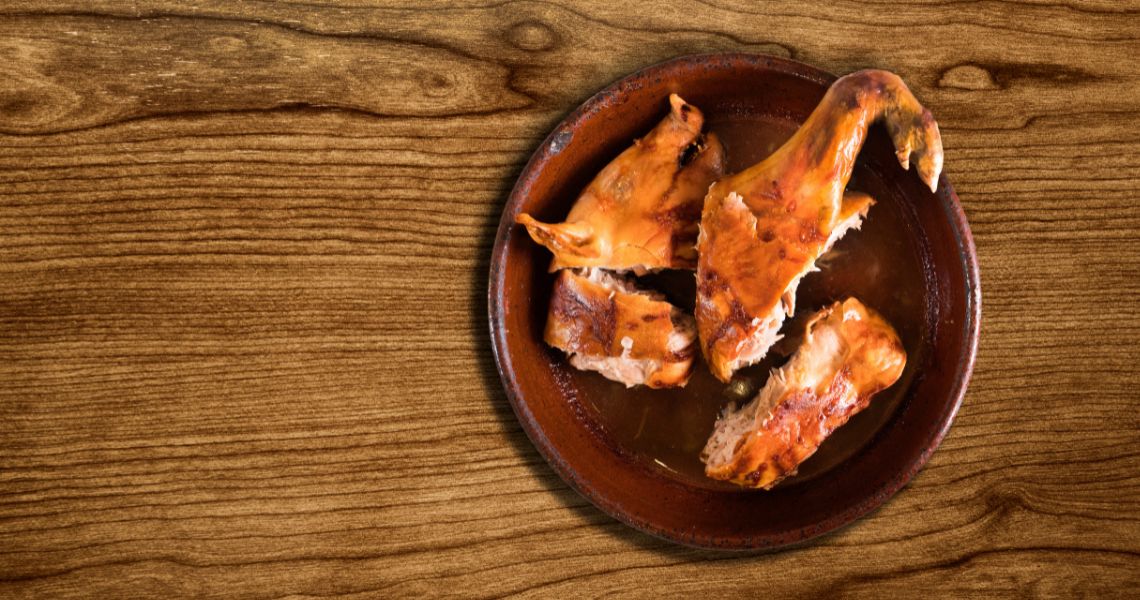
- Clean and dry. Purchase the suckling pig from a trusted butcher and ask them to clean and split it lengthways. Once home, pat the skin thoroughly dry with a cloth — surface moisture is the greatest obstacle to achieving a crispy finish.
- Brush and season. Brush the pig with a thin layer of melted lard to encourage crisp, golden skin. Gently melt the lard in the microwave on a low power setting for a couple of minutes to make it easier to spread. If possible, carry out this step the day before to enhance the flavour. Just before roasting, generously season the inside with coarse salt.
- Prepare the roasting dish. Traditionally, an earthenware dish is used, though a standard oven tray will suffice. Place the pig in the dish, pour a glass of water into the base and add a few bay leaves. It is crucial that the pig does not come into contact with the water, as this would cause the meat to stew rather than roast.
- Initial position. To begin cooking, place the pig rib-side up (skin-side down).
Time and temperature: the key to cooking a perfect Segovian suckling pig
The roasting process is divided into two distinct stages: one to gently cook the meat, and another to crisp the skin.
- Cooking phase (160–180°C): place the pig in a preheated oven with top and bottom heat, facing upwards. Roast for 75–90 minutes. During this time, the meat will cook slowly thanks to the indirect heat and steam produced in the dish.
- Turn the pig over so that the skin is facing upwards.
- Crisping phase (190–200°C). Increase the oven temperature. Lightly prick the skin with a fork to prevent air bubbles from forming. Roast for a further 45–60 minutes. The aim is for the subcutaneous fat to fully render, leaving the skin firm and perfectly crisp.
What to serve with a Segovian-style roast suckling pig
As this is a rich dish with a high fat content, side dishes should provide a fresh contrast:
- A seasonal salad, such as an endive salad with pomegranate and walnuts, rocket with apple and Parmesan, or tomato and onion dressed with sherry vinaigrette, will cleanse the palate between bites of Segovian-style roast suckling pig.
- Serve with sliced roast potatoes (patatas panaderas), roasted separately so they benefit from the oven's heat without adding extra moisture to the meat.
- Red wine. A well-structured local Spanish red is the perfect accompaniment to this traditional roast.
As you can see, the success of this dish hinges not only on technique, but also on patience. Watching the skin develop its characteristic cinnamon hue and enjoying the tender meat are the true rewards of a process that turns a family gathering into a special occasion. With the oven ready and a good bottle of wine on the table, all that's left to do is enjoy this timeless classic. Bon appétit!
What do you think about?
Share comments, opinions and tricks with the Community