

Monkfish: Nutritional properties and health benefits
Discover the benefits of monkfish, a low-fat food, rich in protein and with great nutritional properties for your health.

What is monkfish and what are its characteristics?
Monkfish belongs to the Lophiidae family, among which the two most commonly sold species stand out: white monkfish and black monkfish, distinguished by the colour of the peritoneum (the membrane that covers the internal organs). It’s difficult to tell them apart at first glance.
Their main habitats are the Mediterranean and the Atlantic. The fishing areas for white monkfish stretch from the Gulf of Guinea to the Barents Sea, while those for the reddish or black monkfish extend from Senegal to Great Britain. The most common gear used to catch monkfish is trawls, longlines, and trammel nets. Its season lasts all year round.
Nutritional value of monkfish: a fish packed with protein
Monkfish is a white fish with a low fat content and therefore a very low caloric value. On the other hand, it provides a significant amount of protein and is a good source of B-group vitamins (specifically B12 and B3) and minerals such as selenium and phosphorus, with smaller amounts of iron.
For all these reasons, it’s a highly recommended product for anyone, especially for those on low-calorie diets. Moreover, as it’s boneless, it’s a good way to get children used to eating fish.
Did you know...?
Monkfish was a fish initially despised by fishermen. Just as it was caught, it was thrown back into the sea. The names it is given don’t help much either: sea toad or toadfish are two of the most common. These are names that clearly reflect the somewhat derogatory way it is regarded.
How to choose and preserve monkfish correctly
To select the best part, we must look at three aspects:
Size
Monkfish can be found in various sizes, so depending on how you plan to use it, you would choose smaller pieces for frying, grilling, or sautéing, and larger pieces for stews or roasts.
Firmness
Firmness is very important for all fish, and in the case of monkfish, the flesh should be firm to the touch and slightly elastic. Fish with soft flesh should be avoided.
Colour:
Monkfish flesh should be between creamy white and pale pink. Dark spots are signs of age or improper storage.
As for storing this type of fish, once at home and cleaned, it should be kept in the coldest part of the fridge, covered to prevent the flesh from deteriorating and to stop its smell from spreading and affecting other foods. Furthermore, it should be consumed within the following 48 hours at the latest.
Healthy ways to cook monkfish
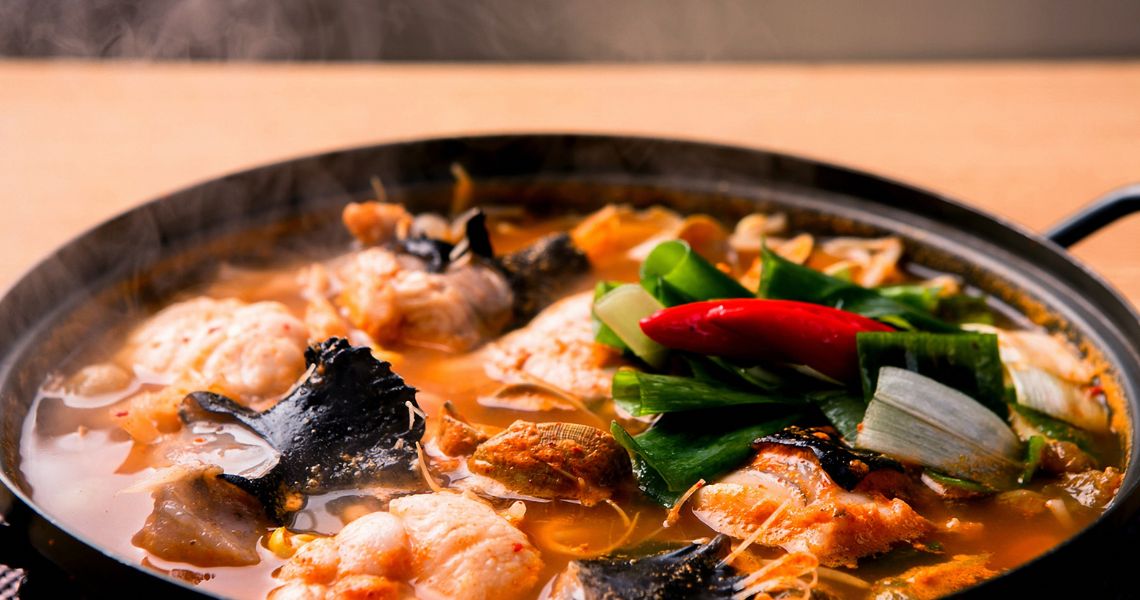
The head, the spine and the skin are the perfect base for a good fish stock or broth, which can be used to make rice dishes or soups with a rich flavour.
Its meat can be prepared in many ways: baked, in a stew, grilled, raw in a ceviche or boiled in a seafood salad.
The liver has an intense flavour and can be used to add taste to a dish, or it can be treated like duck liver or fresh foie, seared briefly in a hot pan.
What do you think about?
Share comments, opinions and tricks with the Community