

Fatty frying plans: how to clean them
Learn the best ways to get rid of oil and fat from frying pans quickly and effectively. Household tips and advice to leave them looking new.

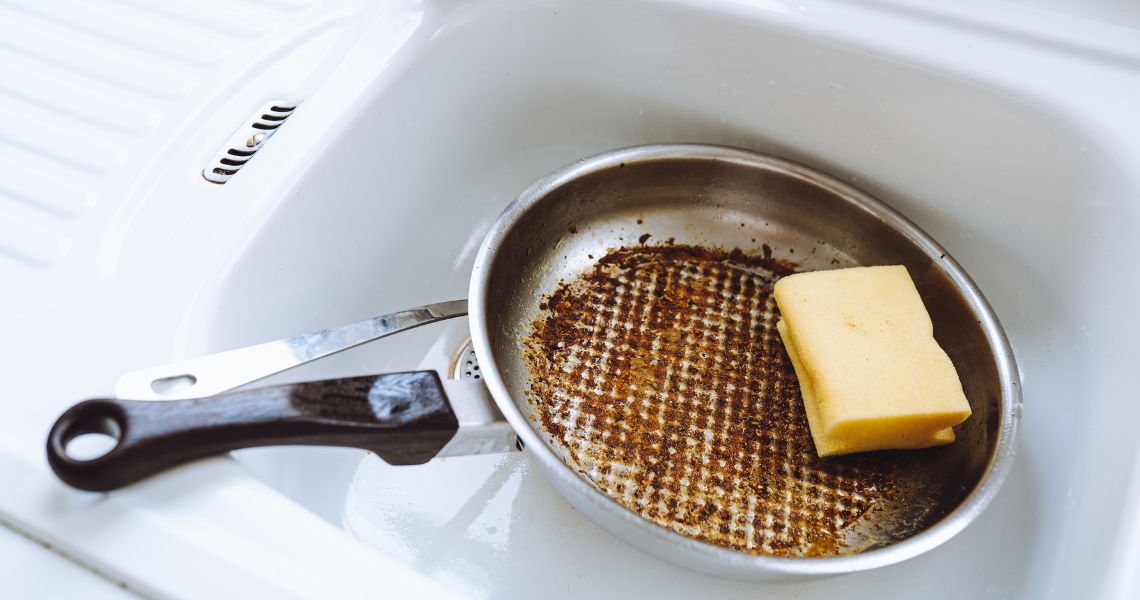
After a delicious meal, it’s now time to deal with the chore of cleaning your frying pans. The oil and fat that sticks to frying pans is one of the most difficult things to clean - but it is not impossible! By using the right methods (and knowing which product to clean your frying pans with depending on the material) the shine can be recovered without spoiling the surface. We’re going to tell you how to do it step by step.
Step-by-step guide to cleaning oil and fat from frying pans
Knowing how to clean oil and fat from your frying pans is fundamental before starting to blindly scrub them. That is why you should do things in the following order to save time and effort - honestly!
- Remove any excess oil or fat. When the frying pan is warm (never hot), take a piece of kitchen roll and wipe the surfaces.
- Smart soaking. Fill the frying pan with hot water and a drop of degreasing washing-up liquid.
- Gentle, effective scrubbing. Use a non-abrasive scouring pan or a sponge. The key is to persevere rather than applying brute force.
- Rinsing and drying. Rinse with hot water and dry well to avoid any limescale stains or rusting.
If the fat is deeply embedded, there are some specific solutions, although you need to make sure you don’t damage the material the frying pan is made of and follow the manufacturer’s instructions.
Effective cleaning products to remove oil and fat
Before using your usual washing-up liquid, you should know that there are products designed for deep degreasing:
- Specific degreasers for the kitchen. They are safe and effective if you follow the instructions.
- Oven cleaner. These are very powerful cleaning agents to remove burnt fat. Important: only use them on compatible frying pans (stainless steel or iron), never on non-stick surfaces. Apply the product, allow it to work for a few minutes and then wipe it off using a soft sponge. Don't forget to rinse the pan well afterwards.
- Household alternatives. Baking powder and vinegar, or baking powder and hot water work well to clean regular oil and fat, particularly on steel.
In any event, choose the right product to clean your frying pans to avoid damaging them and thus extend their useful life.
How to avoid fat and oil sticking on them again
Prevention always makes cleaning easier. Therefore:
- Cook at the right temperature. Excessive heat burns oil and fat and adheres it to the metal.
- Use just the right amount of oil. No more and no less.
- Clean straight after use. Do not leave the fat to cool and congeal.
- Dry frying pans properly before putting them away. If they are still damp, they are more likely to have sticky remains and stains.
These simple actions will notably reduce any build-up of dirt. See for yourself!
Cleaning frying pans according to the material: steel, Teflon and ceramic
Not all frying pans require the same cleaning process. In fact, knowing what they are made of is fundamental to make sure you don’t damage them when cleaning. Pay attention:
- Stainless steel. Strong and highly rated. They can withstand powerful degreasers, baking powder, and in some extreme cases, oven cleaner (always following the instructions on the label).
- Teflon (non-stick). Delicate. Avoid metal scouring pads, abrasive powders and very alkaline products such as oven cleaner. Hot water, mild washing-up liquid and a soft sponge are enough.
- Ceramic. Similar to Teflon: gentle, frequent cleaning. For stubborn fat, baking powder and hot water, and a good dose of patience.
Keeping your frying pans clean without any fat is not just a matter of aesthetics: it also affects the flavours of the food we cook and how long our kitchen utensils last. With these tips daily cleaning will no longer be an uphill struggle, but more a quick, effective routine.
What do you think about?
Share comments, opinions and tricks with the Community