
How to taste wine without being a connoisseur?
Eva Pizarro

How to taste wine without being a connoisseur?
Do you think enjoying wines is only for connoisseurs? Today we are going to provide you with a step-by-step guide to learn how to identify all the nuances of wine and recommendations for wines available at Consum supermarkets to get you started in this enthralling world.
Let’s get going then! Just as professionals do, we are going to break it down into 3 stages, ending up with our conclusions and assessments.
Sight (Visual Examination): The First Impression
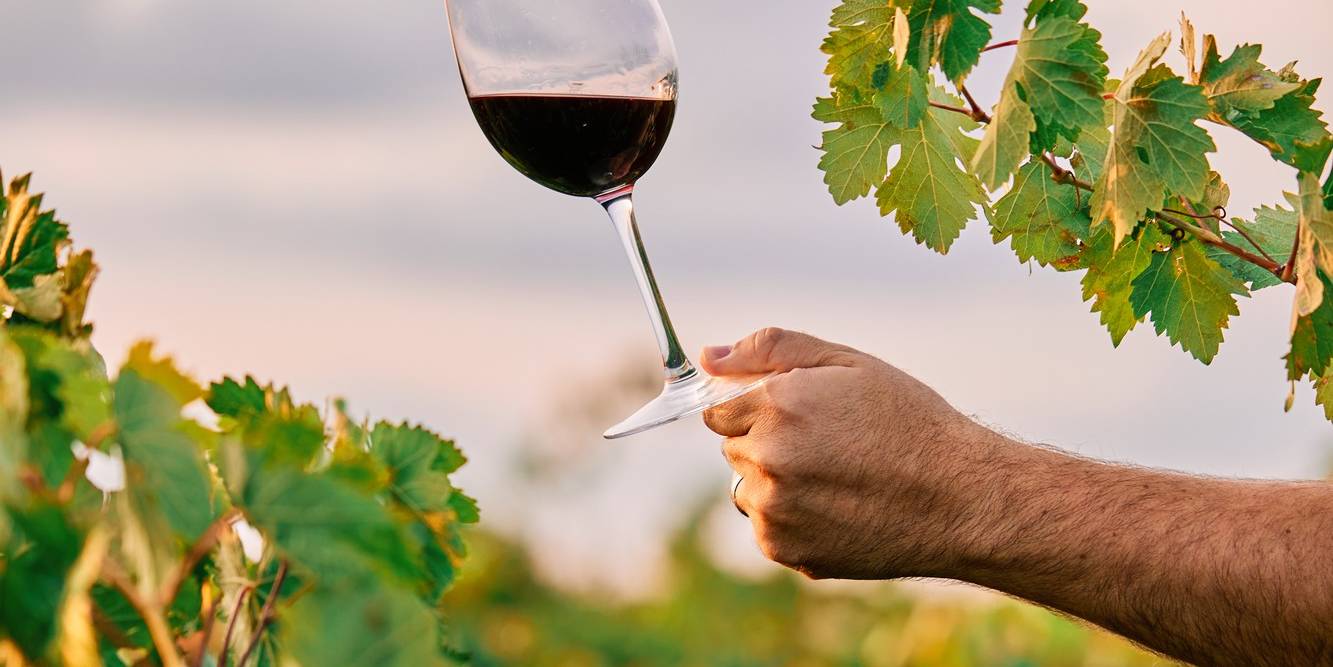
Winetasting starts with our sight. Look at the wine in the glass and consider the following aspects:
- Colour and hue: The colour of a wine can be indicative of its age and type. Young wines tend to be more purple or ruby red in colour, whereas older wines are usually more maroon or russet. Young white wines are a pale yellow or green in colour, and they acquire a more golden colour with ageing.
- Brightness and clarity: A clear, bright wine suggests good quality and wine-making process. The absence of any cloudiness is absolutely essential.
- Tears: By gently swirling the wine in the glass, observe the drops and streaks that run down the side of the glass. Thicker, more persistent tears indicate a higher alcohol or sugar content.
Smell (Aromatic Examination): Discovering Bouquets
Our sense of smell is a crucial factor in winetasting. Follow these steps:
- First Sniff with a still glass: Bring the glass to your nose and inhale gently. Identify the primary bouquet, which comes from the grapes. It will appear fruity or floral.
- Second Sniff after swirling the glass: Swirl the glass to allow the wine to breathe and release more of its bouquet. This is where we perceive the secondary bouquet, resulting from fermentation, reminiscent of dairy produce or freshly baked bread.
Aged wines can have tertiary bouquets, which include hints of vanilla, spices, roasting or nuts, all of which come from ageing in barrels or bottles.
Taste (Palate Examination): The Taste on the Palate
It is finally time to taste the wine:
- First sip: Take a small sip and allow the wine to coat your entire mouth. Notice the first sensation: Is it smooth, fresh, strong?
- Evolution: Identify the flavours (sweet, acidic, savoury, bitter) and the texture (silky, velvety, rough).
- Finish or aftertaste: Note the duration and quality of the flavours after swallowing or spitting out the wine. A long, pleasant aftertaste is a sign of a good quality wine.
Recommendations to start winetasting
To start off winetasting, we recommend starting with balanced wines that are good value for money. The following are some choices available at Consum supermarkets: labodega.consum.es
Ramón Bilbao Crianza
A D.O. Rioja red wine, recognisable by its strong flavour and bouquet reminiscent of red berries. It is ideal to pair with cheese, ham and red meat.
Cune Crianza
Another excellent Rioja, versatile and pleasant on the palate. It pairs well with all meats and is perfect as an aperitif.
Protos Roble
A wine from Ribera del Duero with a strong personality, perfect to serve with a hearty meal. Indispensable to keep a bottle at home.
Hoya de Cadenas Tempranillo
A tempranillo wine from Utiel-Requena which pairs well with all dishes and is a good choice on any occasion. Good value for money.
Remember that winetasting is a personal, subjective experience. With practice and attention to detail, you will develop your own criteria and preferences. Cheers!
What do you think about?
Share comments, opinions and tricks with the Community