

How to recycle used cooking oil: advice and tips
Learn how to recycle used cooking oil safely and responsibly. Practical tips, advice and alternatives to avoid polluting the environment.

Learning how to recycle used cooking oil is a simple gesture that has a major impact on caring for the environment. A lot of people still pour used cooking oil down the drain, without being aware that even a small amount of oil can pollute huge amounts of water and can cause blockages in the drainage networks.
We are going to tell why it is important to recycle used cooking oil, how to store it properly at home and the options there are to give it a second life safely and responsibly.
Why it is important to recycle used oil
Used cooking oil is one of the most polluting domestic waste products when it is not disposed of properly. Pouring it down the sink could seem inoffensive, but it does bring serious consequences:
- It pollutes water: one litre of oil can pollute thousands of litres of water.
- It blocks pipes and the drainage network by solidifying and sticking to the walls.
- It inhibits water treatment plants, making it more expensive to treat water.
- Environmental harm: if it reaches rivers and seas, it forms a film that prevents oxygenation and affects water plants and animals.
Tips for storing used oil before recycling it
To recycle oil properly, it is important to store it properly at home until you take it to the recycling bin.
- Let the oil cool down completely before handling it.
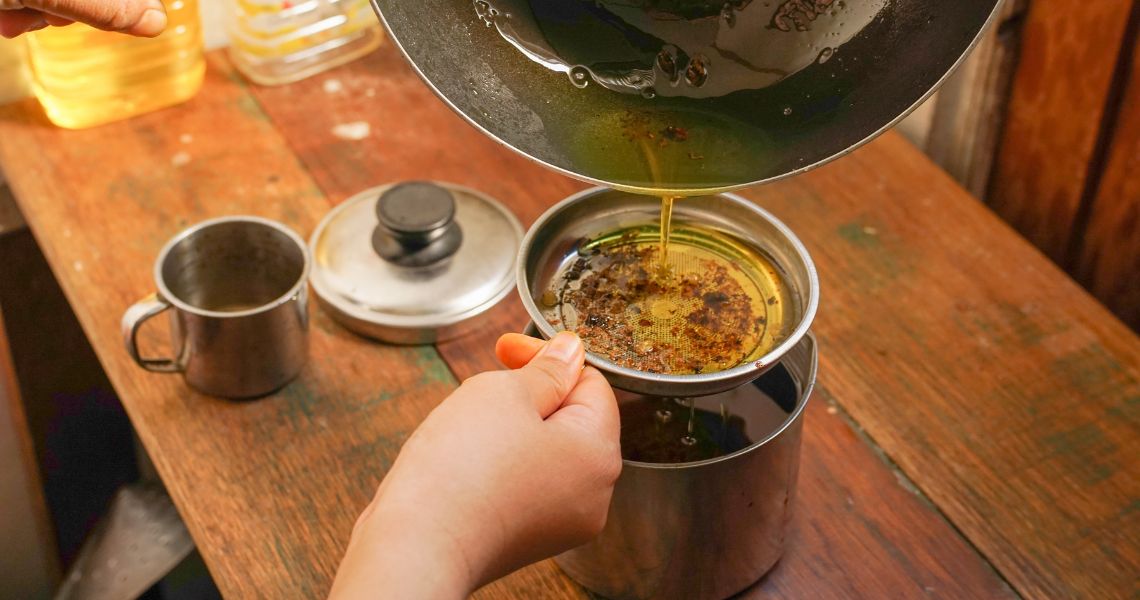
- Sieve it or pour it through a muslin cloth to get rid of any food remains.
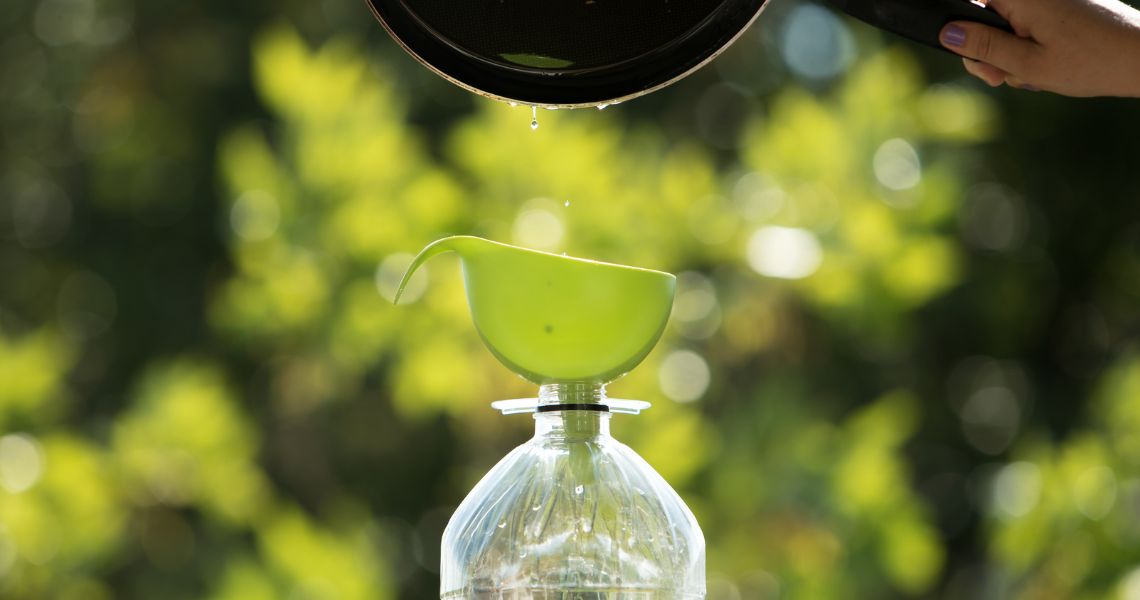
- Store it in a strong, plastic container, such as an empty water or drinks bottle.
- Close the bottle well to avoid it spilling and bad smells.
- Store it in a cool, dry place, away from heat sources and out of reach of children.
- It is best not to mix oil with other waste or water.
Ideas and alternative uses for recycled oil
Once it has been recycled, oil can become a useful resource:
- It can be used to produce biodiesel, a sustainable fuel that reduces polluting emissions.
- It can also be used to make soap, particularly in controlled industrial or craft processes.
- It can be used to make industrial products such as wax, varnish or lubricant.
- It can also be transformed into renewable energy.
- It is important to remember that used oil should not be reused for cooking, since it loses its properties and can be harmful to our health.
Used oil collection points and centres
There are more and more options for conveniently recycling domestic oil:
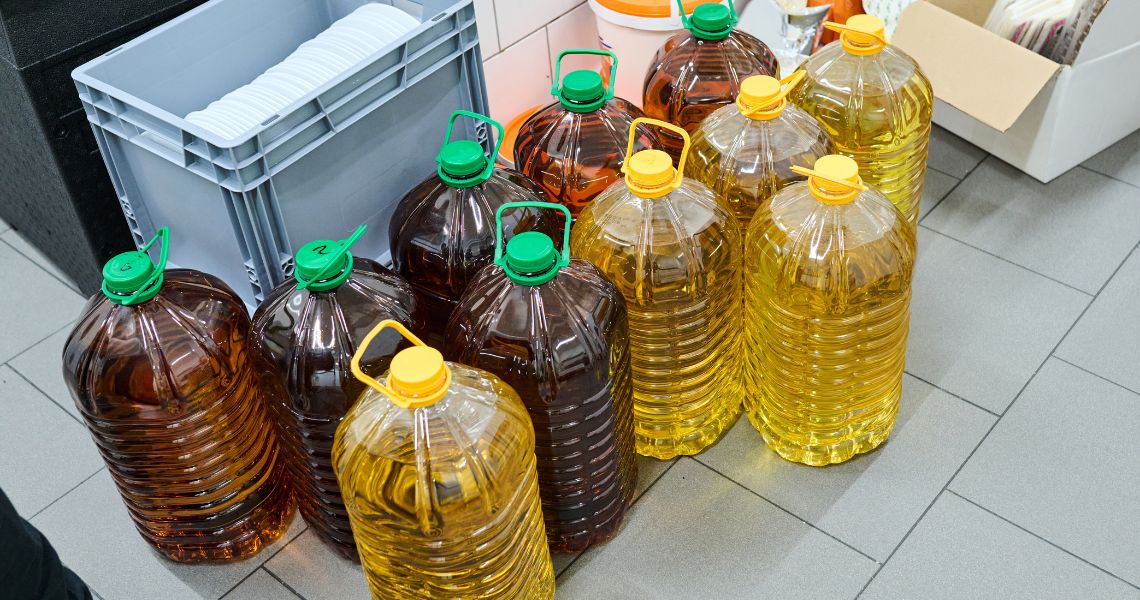
- Specific containers in streets in many villages, towns and cities.
- Clean points or eco-parks, where different special waste can be disposed of.
- Municipal collection campaigns on established dates.
- Selective collection systems in some buildings or communities.
- Checking your local council's website or information channels is the best way to find the nearest collection point.
What do you think about?
Share comments, opinions and tricks with the Community