

How to protect your plants in winter: essential tips
Practical tips to look after your plants in winter and keep them healthy during the cold season.

Which plants can we plant in winter
The damp from winter rain humidifies the atmosphere and the soil making it the ideal time for plants to develop strong roots before the hot weather arrives. Many plants thrive in these conditions.
If you are looking for seasonal flowers for your flowerpots or flower garden, pansies and violets are the safest bet as they are able to withstand temperatures below zero and continue to flower, making them the best seasonal choice. Another classical option is the sowbread, which prefers the cool outdoor air while giving our gardens a touch of bright red or white.
Winter is the ideal time to plant root and leaf vegetables in the garden. Crops such as garlic, onions, carrots and radishes can be planted directly, as they prefer colder soil. On the other hand, it is the right time for winter pulses such as broad beans and peas. Moreover, this is the ideal season to plant trees, fruit trees (cherry, plum or apple trees) and deciduous shade tree species.
How to look after outdoor plants in winter
- Scheduled irrigation: reduce how often you water your plants, as they are at rest. Always water in the morning to avoid any excess moisture from freezing during the night.
- Location: group flowerpots together near a south-facing wall. This creates a microclimate that protects the plants from the cold winds and makes the most of the residual heat in the wall.
- Minimum maintenance: do not fertilise or drastically prune your plants until winter is over. Leave the dry branches on as they form a natural shield against the cold and will protect new shoots.
- Drainage: check that the holes in the bottom of the flowerpots are not blocked. Standing water is the worst enemy of plants in winter, as it expands when it freezes and causes the roots to rot.
- Thermal protection: one option is to cover plants with protective sheeting or breathable covers when temperatures fall below 5ºC. Moreover, you can use straw or bark to cover the earth in order to keep the warmth in the roots.

Indoor plants: special care in the cold season
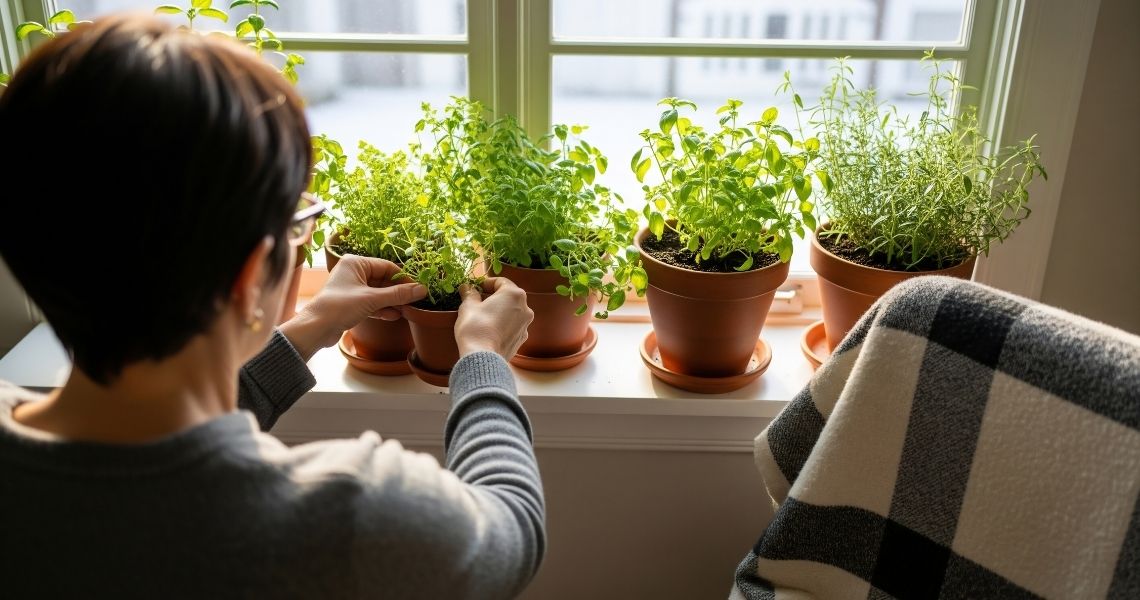
- Maximise light and cleaning: place your plants as close as possible to windows to make the most of the dim winter light. Cleaning the dust off leaves with a damp cloth is fundamental, since dirt forms a barrier that prevents proper photosynthesis.
- Drastically reduce watering: since growth slows down and water evaporates more slowly, you should reduce how often you water your plants. Before adding water (always at room temperature), check that the first few centimetres of soil are completely dry. Moreover, do not use fertiliser until the spring.
- Compensate for dryness from heating: radiators dry out the atmosphere, which can be fatal for tropical plant species. Do not place plants near heat sources or cold draughts. To increase humidity, group plants together or place a bowl of water and stones under the plant pots (without the water coming into contact with the base of the pot) to create a humid microclimate.
- Pest control: warm and dry indoor atmospheres are the perfect scenario for red spider mites and cochineal to thrive. Check the underside of the leaves on a weekly basis. This is essential to nip the problem in the bud if those insects are seen on the plants.
What do you think about?
Share comments, opinions and tricks with the Community