

How to choose the best food for pet turtles
Learn how to feed turtles properly, including the right types of food, feeding frequency, and practical tips to keep them healthy and happy.

Keeping a turtle at home is a responsibility that goes far beyond simply setting up a small aquaterrarium. A lack of knowledge often leads people to think that lettuce or leftovers are enough, but nothing could be further from the truth. A proper diet is essential to prevent “pyramiding” (shell deformation) and to support a strong immune system. To keep your turtle in good health, its diet should be varied, species-appropriate and, above all, well balanced. Read on to find out more.
Which foods are ideal for pet turtles?
A turtle’s diet varies depending on the species, but specialists in exotic pets generally recommend the following:
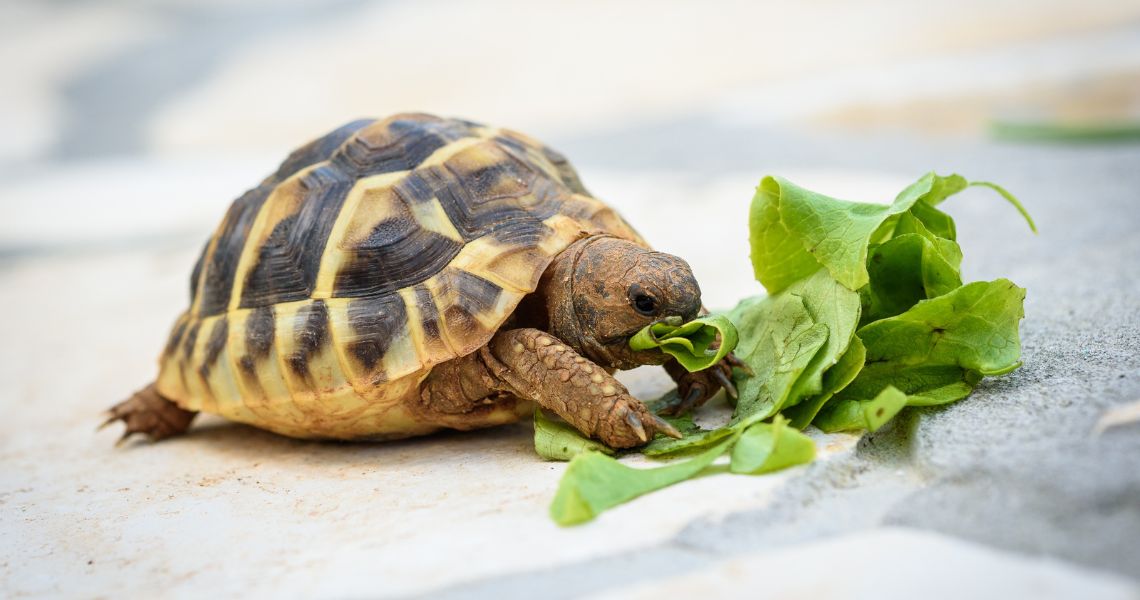
- Leafy green vegetables. These are essential for fibre and vitamins. Good options include endive, dandelion leaves, lamb’s lettuce and Chinese cabbage. Regular lettuce has very little nutritional value and, in large quantities, may cause diarrhoea.
- Pelleted (extruded) feed. This provides a good nutritional base, as it is enriched with calcium and vitamins. It should be offered alongside fresh food to ensure a complete intake of micronutrients.
- A source of protein. For species that require it, suitable options include insects such as crickets or mealworms, small crustaceans and white fish.

How to prepare your turtle’s food
When feeding a turtle, hygiene is essential. Always wash vegetables thoroughly before offering them to remove any traces of pesticides or dirt.
It is also helpful to cut food into pieces that are easy for the turtle to manage with its beak. This prevents stress while eating and avoids pieces that are too large. If you have an aquatic turtle, it is best to feed it in a separate feeding area or remove any leftovers promptly. This helps prevent food from decomposing and contaminating the water, which can lead to bacterial infections.
How much and how often to feed your turtle
A turtle’s metabolism is very different from ours, so they do not need to eat several times a day. Feeding frequency depends largely on age:
- Young turtles. As they are still growing, they need regular energy and should be fed once a day.
- Adult turtles. Their metabolism is slower, so feeding every 48 to 72 hours, around two or three times a week, is usually sufficient.
Diet differences depending on the type of turtle
It is important to identify the type of turtle correctly, as their dietary needs vary considerably:
- Aquatic (or semi-aquatic) turtles. These are usually omnivorous and require a balance of plant matter and animal protein. They need to eat in water in order to swallow properly.
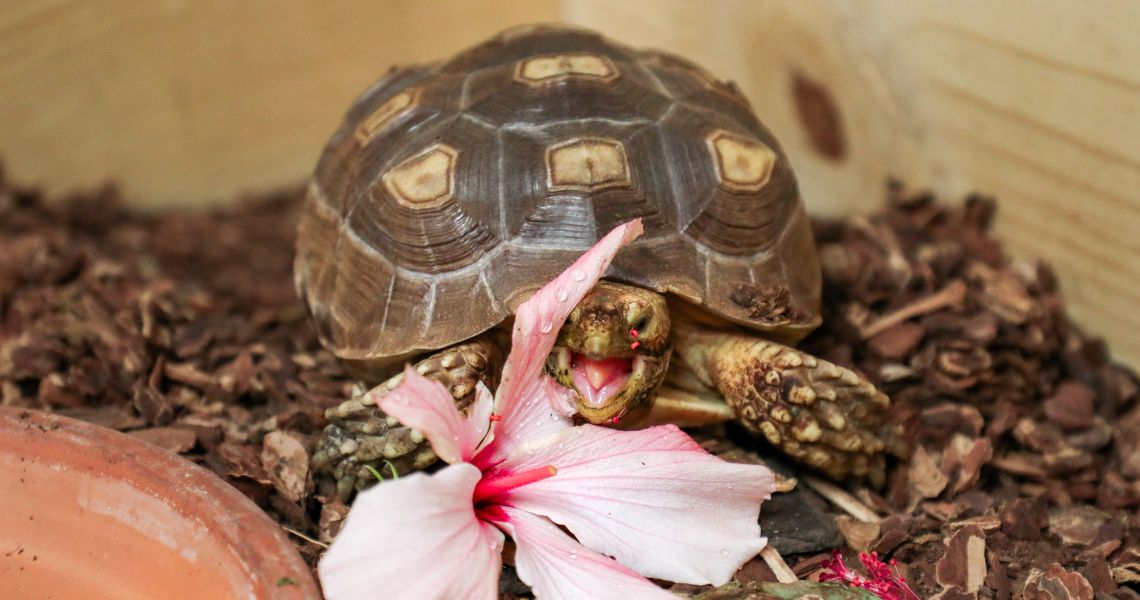
- Tortoises: These are strictly herbivorous. Their diet should be high in fibre and calcium, consisting of plants, flowers and vegetables. They should never be fed meat.
Healthy snack ideas for turtles
To encourage their natural behaviour and add some variety to their routine, you can include certain treats in your turtle's food:
- Cuttlefish bone (squid). Leaving one in the enclosure helps provide a natural source of calcium and allows the turtle to keep its beak in good condition.
- Fresh flowers. Hibiscus and rose petals are safe and enjoyable, as long as they are free from chemicals.
- Berries. An occasional strawberry or blueberry can provide vitamins, but should only be given sparingly due to their sugar content.
Caring for a turtle is a long-term commitment, and diet plays a key role from the very beginning. By offering fresh, appropriate food, you help ensure a strong shell and long-term health. Turtles may move at their own pace, but their nutrition deserves careful attention.
What do you think about?
Share comments, opinions and tricks with the Community



Yo con las mías tenemos muchísimo cuidado
Yo con las mías tenemos muchísimo cuidado