

How to care for your pets' hair
Learn how to care for your pet’s coat with tips on hygiene, brushing and nutrition. Keep their fur healthy and shiny.

Dog hair: care for every type
A dog’s coat says a lot about its overall well-being. A thick, shiny coat is a clear sign of good health, but when caring for your dog’s fur, it’s important to remember that each breed has different needs. The short coat of a Greyhound requires very different care than the curly fur of a Poodle or the long hair of a German Shepherd.
- The most important factor, and where the biggest differences in dog coats can be seen, is providing a high-quality diet. A BARF or natural diet, prepared with all the necessary nutrients, will always be a great ally for a healthy coat.
- Bathe your dog every one to two months using a pH-neutral shampoo specifically formulated for dogs.
- A gentle daily brushing helps remove mites, impurities and natural skin flaking, keeping the coat clean.
- For long-haired dogs, regular visits to a professional groomer are recommended for haircuts or special brushing sessions to prevent tangles and mats.
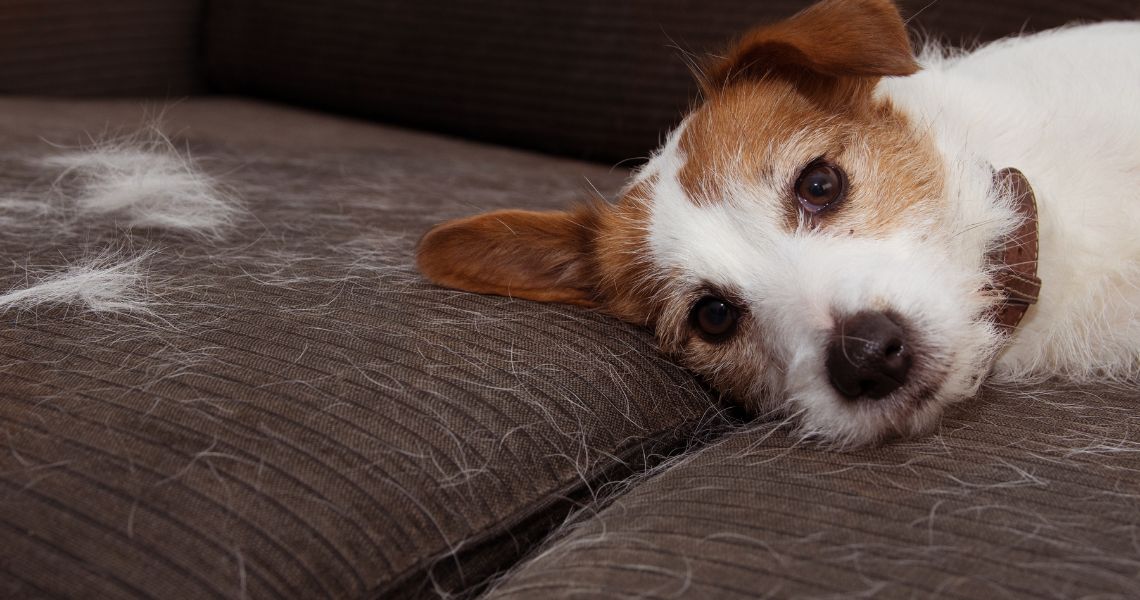
Dogs shed in spring and autumn to adapt their coat to the seasonal climate. This is a natural process, so all that is required on our part is to brush the dog regularly and sweep the house more frequently.
During shedding, the winter coat protects the animal from the cold, while the summer coat shields it from heat. For this reason, it’s essential not to interfere with the shedding process, and above all, never shave the dog, as this removes its natural protection and leaves the skin exposed to cold and heat.
Cat hair: how to keep it healthy and shiny
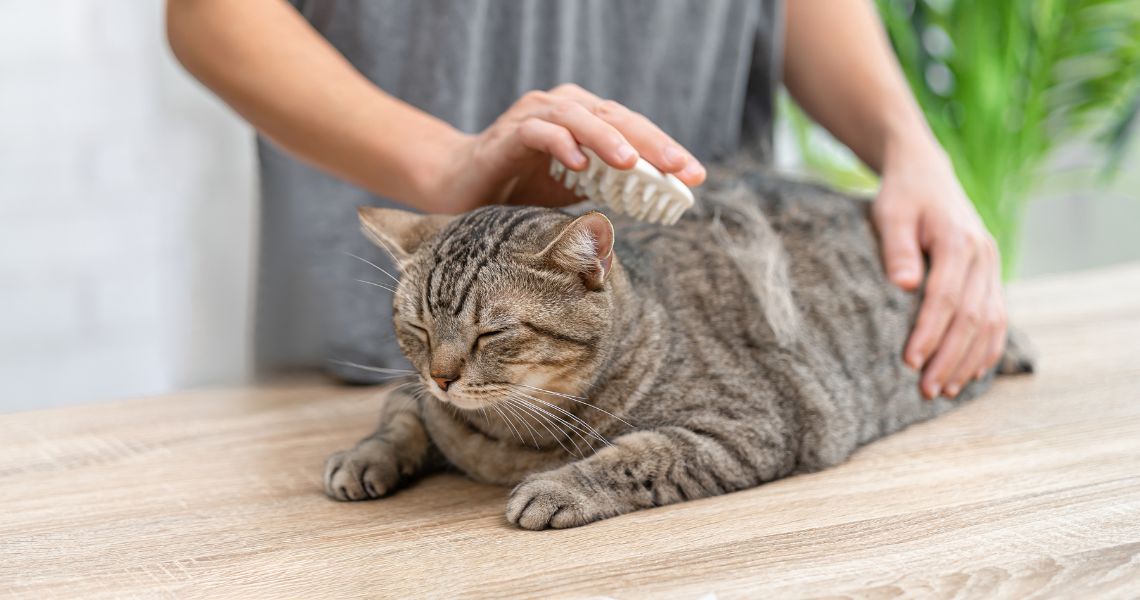
Cats are very clean and groom themselves, but if we want to help them avoid ingesting too much hair, it’s advisable to brush them at least twice a week.
Additionally, to ensure their coat looks healthy and shiny, a diet based on real food, whether raw or cooked, rich in omega-3 and nutrients, is key to both their health and the condition of their fur.
During shedding periods, simply increase brushing and be vigilant to ensure the hairballs they ingest don’t cause any stomach or intestinal issues.
Rabbit hair: keeping their coat perfect
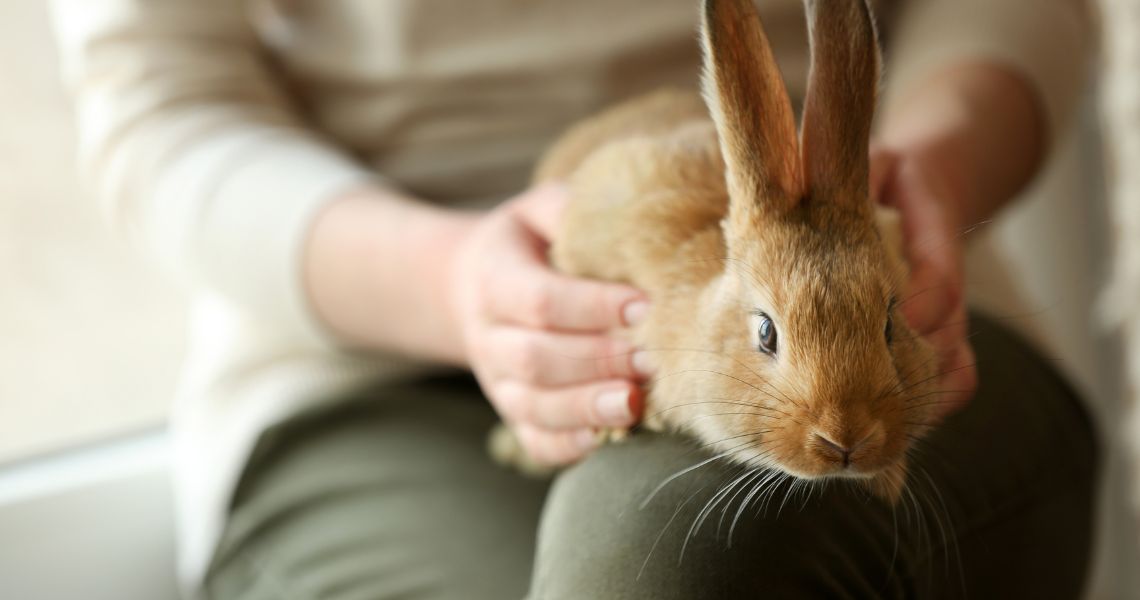
As with dogs and cats, each rabbit species requires special care. An Angora rabbit, with its long, thick coat, will need more dedicated brushing to keep it clean and free from tangles, whereas a common rabbit, with short, easy-to-care-for fur, requires much less effort.
Basic Rabbit Care Tips:
- Diet is always key; high-quality rabbit hay will always be the best ally for maintaining a healthy coat.
- Weekly brushing, depending on the breed, but at a minimum twice a week. Use a soft-bristled brush.
- Maintain a stable home temperature to avoid sudden changes.
- It’s beneficial to give them a massage, plenty of strokes and some gentle attention.
During the seasonal shedding periods in spring and autumn, which usually last between two and six weeks, brush them frequently to prevent digestive issues caused by hairballs ingested during self-grooming.
How to protect your pet from parasites in their coat
External parasite control is essential for pets, not only for their health but also for that of humans. Ticks, fleas and other parasites can infest an animal's coat and bite them, potentially causin serious illnesses such as rickettsiosis, ehrlichiosis or severe dermatitis.
To prevent this, especially in spring, there are highly effective products available, such as collars, spot-on treatments and tablets. Additionally, it's important to check your animals after a walk in the countryside and to avoid less-travelled areas, as both fleas and ticks live in plants, waiting for a warm, furry dog to climb onto.
What do you think about?
Share comments, opinions and tricks with the Community