
Can you share homemade food? Which foods in your kitchen are nutritional for your dog
What can dogs eat from our kitchen? Find out which foods are safe, which homemade foods and suitable fruits and vegetables.

Getting a pleading and intense look from a short distance while sitting at the table is a scene that is repeated in many homes. When this happens, you inevitably wonder: if I love my dog so much, why can I not share some of my dinner with him? Well, when it comes to our four-legged companions, good intentions do not always match their digestive well-being.
The fact of the matter is veterinary science is clear: dogs’ metabolism works very differently to ours. In any case, don’t panic; your kitchen is full of nutritional treasures suitable for them. You just need to know what they are and how to offer them to your dog safely.
Is it a good idea to give homemade dog food or use leftovers?
There is one crucial difference that canine nutrition experts always emphasize: it’s one thing to cook for your pet and quite another to give him what’s left on the plate. Offering leftovers from our dinner (with its oils, excess salt, sauces or spices) can trigger anything from mild digestive problems to severe pancreatitis.
However, homemade dog food (understood as a diet formulated in a conscious way, with fresh ingredients and cooked in a simple way; steamed or grilled, without salt or seasoning) can be an excellent complementary option. However, a homemade diet is not automatically nutritionally complete, as dogs require proportions of essential nutrients, (such as calcium, phosphorus, vitamins and fatty acids) that are not guaranteed without proper formulation.
Indeed, specialists remind us that complete and balanced foods formulated according to recognized nutritional standards tend to meet these requirements more consistently. If you choose to base the diet on homemade recipes, it should always be done under the supervision of a veterinary nutritionist to avoid vitamin deficiencies. As a healthy treat or reward, homemade food is spot on.

What can dogs eat: healthy and nutritious human foods
When it comes to expanding your pet’s menu, you don’t need to complicate life. If you’re wondering what dogs can eat straight from the pantry, take note of these superfoods packed with benefits:
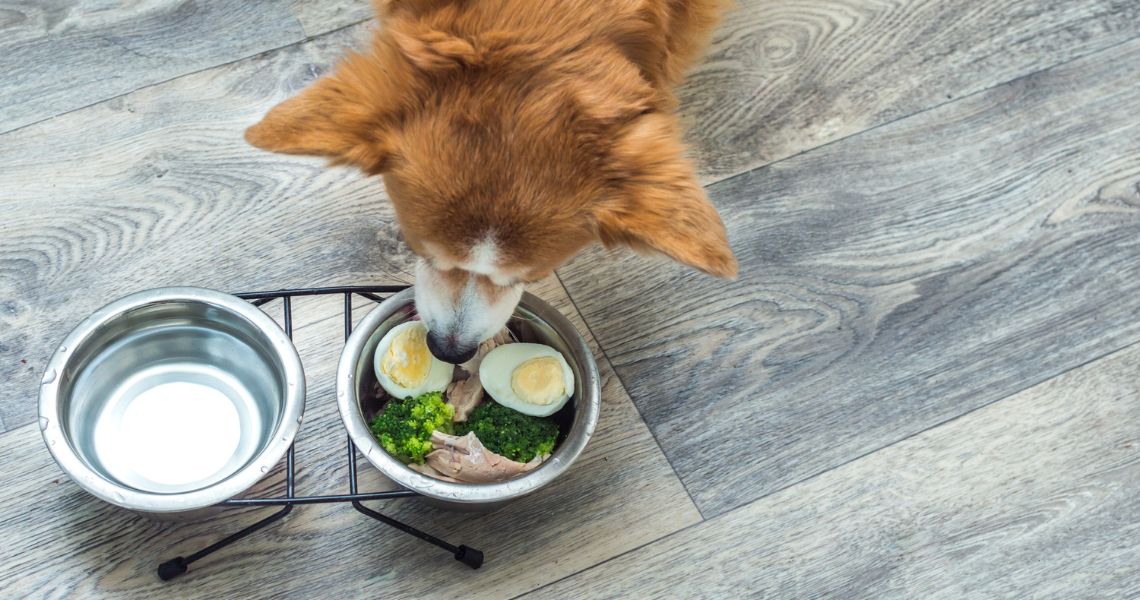
- Chicken and turkey. Excellent sources of lean protein. They should be cooked without salt or seasonings, without the skin and, under no circumstances, served with the bones (as they splinter easily and can perforate the intestines).
- White rice. A classic of digestion. Cooked without salt, it is perfect for settling the stomach, although it is not an essential food from a nutritional point of view.
- White fish and salmon. They provide omega-3 fatty acids, ideal for a shiny coat and healthy skin. Cook it on the grill and make sure to remove any bones.
- Eggs. A nutritional bomb of proteins and essential amino acids. Always offer them cooked or in an omelette (never raw, to avoid the risk of salmonellosis).
These human dog foods work wonders as an extra motivation in their feeder or as a high-value reward during their education, although they should not be seen as “superfoods” or as a substitute for a complete diet.
Fruits and vegetables suitable for dogs that you have in your kitchen
The plant kingdom also has a lot to contribute to their health in the form of fibre, vitamins and antioxidants. In fact, many of suitable fruits and vegetables are already sitting in your fridge waiting to be shared as an occasional complement:
The most recommended vegetables
- Carrots. Raw, they work like a natural toothbrush and they love to bite into them: when cooked, it is highly digestive and light.
- Pumpkin. Cooked, it can help regulate intestinal transit in mild cases thanks to its fibre.
- Green beans. Low in calories, ideal as a one-off treat.
Fruits to refresh their day
- Apples. They provide fibre and are low in calories. Important: always remove the core and the seeds, which can be dangerous.
- Bananas. A fantastic source of potassium, although as they are rich in sugars, they should be given in moderation (a small piece is enough).
- Watermelon and melon. Perfect for hot days due to their high water content. Remove the seeds first.
Forbidden foods that you should never share with your pet
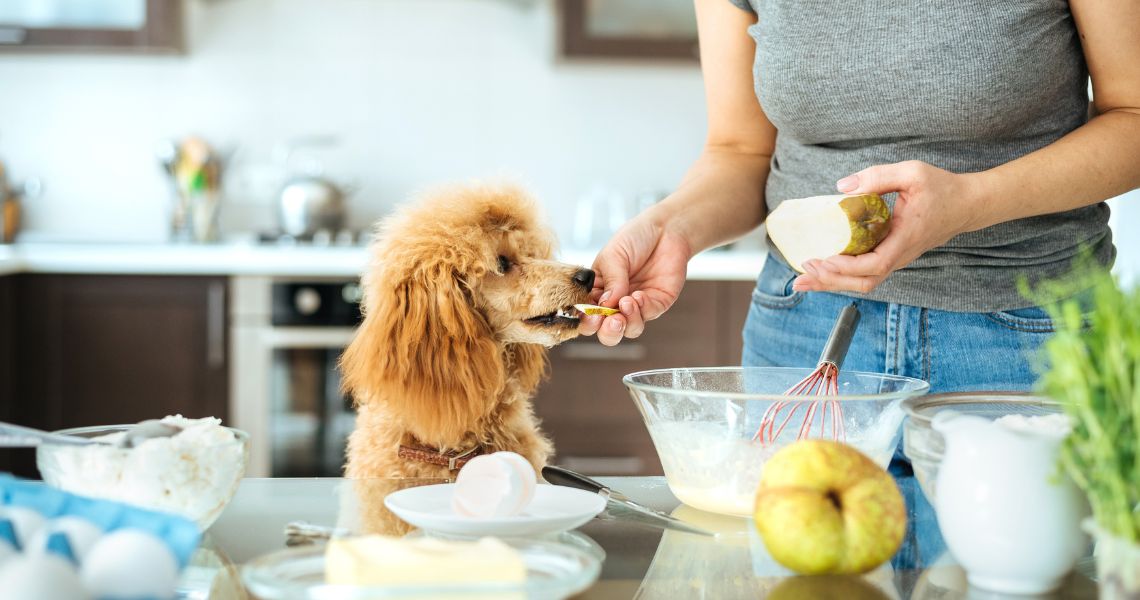
Some everyday ingredients are a delicacy for us but are poisonous for them. Take note of the following black list:
- Chocolate. It contains theobromine, a substance dogs metabolize very slowly and can cause severe toxicity, tachycardia and seizures.
- Onions, garlic and leeks. They contain compounds that destroy dogs’ red blood cells, which can cause haemolytic anaemia.
- Grapes and raisins. Even in very small amounts, they cause acute and irreversible kidney failure.
- Avocados. They contain persin, but their toxicity in dogs is considered low or variable; the biggest practical risk is usually the fat content and the stone.
- Xylitol. This sweetener present in chewing gum, gummies and some “sugar-free” products cause a drastic drop in blood glucose that can be fatal.
Sharing is living and seeing your dog enjoy a piece of apple or a bite of boiled chicken is one of those little everyday pleasures that strengthen your bond. The key, as in almost everything in life, is to have the correct information and stick to moderation.
What do you think about?
Share comments, opinions and tricks with the Community