

Holy Week in Mérida: processions, Roman monuments and traditional flavours
Experience Holy Week in Mérida: processions, Roman history and a unique atmosphere. Discover what to see, what to expect and why it's an unmissable event.

If you are considering a spring getaway, Mérida offers something that few other cities can rival. Here, Holy Week is not confined to churches or town squares; it unfolds among the remains of a civilisation that is more than two thousand years old. The result is a striking blend of reverence, tradition and monumental heritage that makes you feel as though you are somewhere entirely different. For many, it is the most special event in the region's calendar, and it is easy to see why.
Why is Holy Week in Mérida so special?
What sets Mérida, the capital of Extremadura, apart is the way it combines the devotion of its brotherhoods with its extraordinary archaeological legacy. In fact, the celebration has been recognised as a Festival of International Tourist Interest precisely because of this contrast; watching a statue of the Virgin or Christ in procession beneath the shadow of a Roman theatre is an unforgettable experience. It is a solemn yet vibrant celebration, with the entire city taking to the streets.
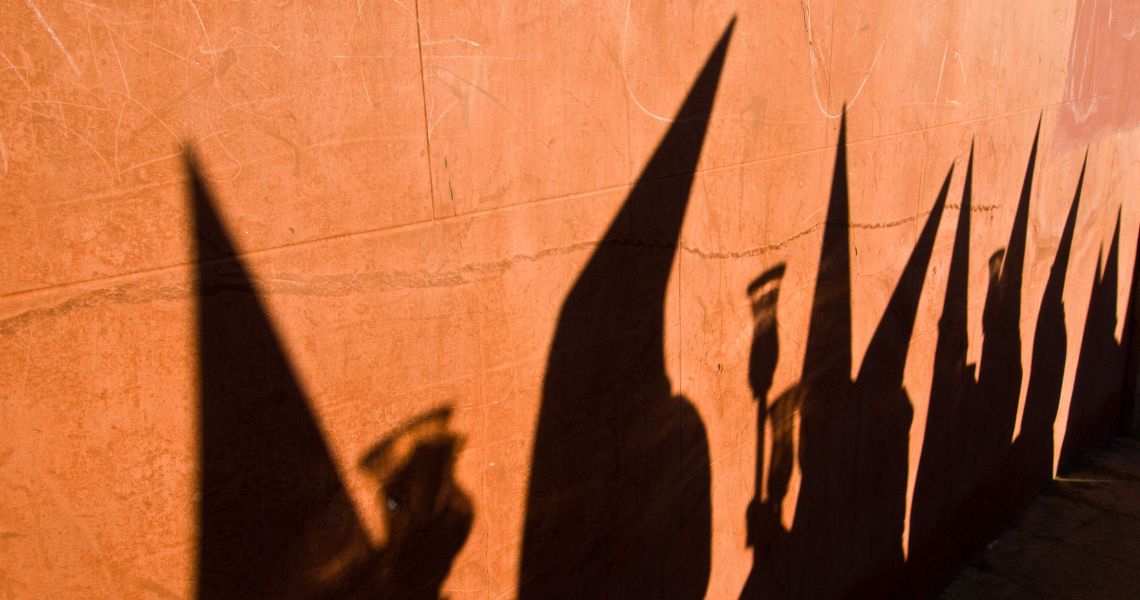
The most emblematic processions
If you visit Mérida during Holy Week, there are certain moments that are simply unforgettable. The Mérida processions are characterised by a moving solemnity and sense of reverence.
- Palm Sunday (La Borriquita). Organised by the Royal Brotherhood and Cofradía of Nazarenes of the Holy Christ of the Last Supper, this procession departs from the Church of San José. A blend of liturgical and popular traditions, it is the quintessential family day. The Plaza de España becomes the focal point for the Blessing of the Palms, attracting large numbers of children and families.
- The Way of the Cross in the Roman Amphitheatre is one of the most extraordinary moments of the week. Held in the early hours between Good Friday and Holy Saturday, this unique event features the Holy Christ of La O and takes place in an amphitheatre dating back to the 1st century BC, which is opened exclusively for this act of worship. Imagine thousands of people standing in absolute silence inside an authentic Roman amphitheatre, the only sound being that of footsteps. It is profoundly moving.
- The Meeting of the Three Falls (Holy Wednesday). One of the most emotional scenes occurs when the floats of the Holy Christ of the Three Falls and Our Lady of Mercy converge at the Puerta de la Villa. This encounter of the two images in this iconic setting attracts large crowds of locals and creates one of the most powerful and authentic scenes of the week.
Monumental settings along the route
The true distinction of Holy Week in Mérida is that its monuments cease to be mere historical sites and become part of the living celebration. Three locations are particularly memorable:
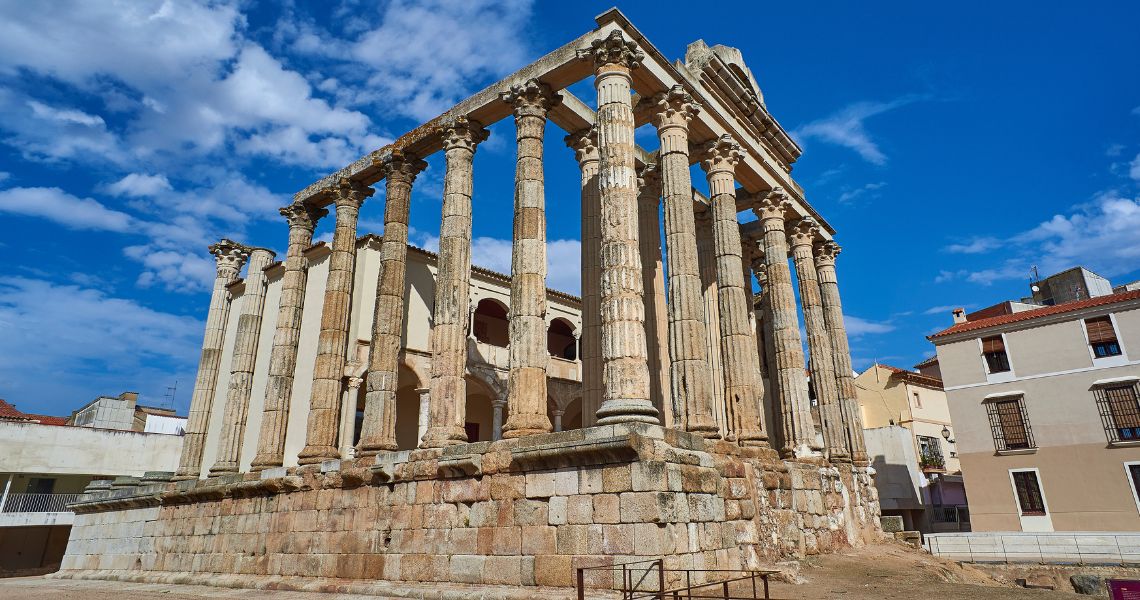
- The Temple of Diana, one of the most spectacular points along the route. Several brotherhoods pass nearby, and the contrast between the illuminated Roman columns and the richly adorned floats produces some of the week's most iconic images.
- Trajan’s Arch: a challenging passage for the bearers due to its narrowness, requiring complex manoeuvres (especially during the traditional turns) and generating palpable anticipation among onlookers.
- The Basilica of Santa Eulalia is the spiritual heart of the city and the headquarters of brotherhoods such as the Three Falls and the Railway Brotherhood. Following the Jubilee Year of Saint Eulalia in 2024, it is considered the centre of local devotion.
Holy Week gastronomy in Mérida: traditional dishes and sweets
Holy Week in Mérida is not just about processions. The city's cuisine is another major attraction. At this time of year, local kitchens bring back traditional recipes to comfort and sustain visitors, with seasonal dishes and year-round specialities that are integral to Mérida’s culinary identity.
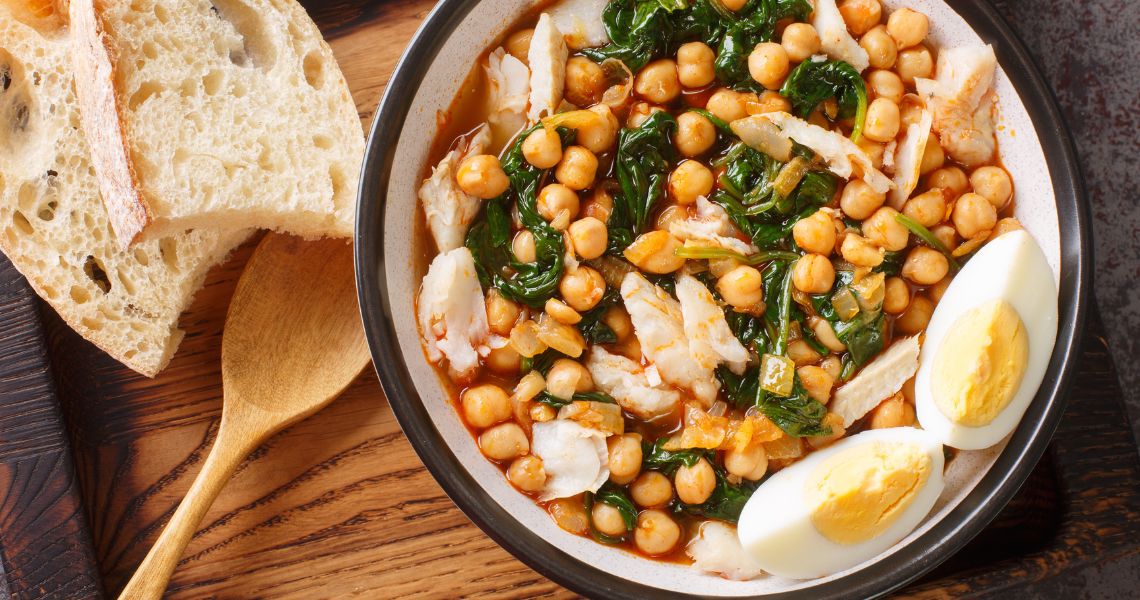
- Savoury specialities. Salt cod appears in many forms, particularly in croquettes and fritters, as well as in the traditional potaje de vigilia (Lenten stew). Not to be missed is migas extremeñas, a regional favourite and simple yet flavourful dish of fried breadcrumbs that will fortify you for the day’s processions.
- Sweet treats. In local bakeries and homes alike, fried pastries take centre stage. Be sure to try flores extremeñas, which are delicate, flower-shaped fritters with a crisp texture, or perrunillas, which are rich, lard-based biscuits that are perfect with afternoon coffee. And, of course, no Holy Week would be complete without torrijas — Spain's answer to indulgent, cinnamon-scented French toast.
Tips for making the most of Holy Week in Mérida
- Plan your routes carefully. The streets in the historic centre are narrow and fill up fast. Check the official procession routes before setting off.
- Dress comfortably. Mérida’s streets are steeped in history and paved with cobblestones. Sensible footwear is essential.
- Enjoy the light. Sunset on the Roman Bridge is the perfect time to take a break before the evening processions begin.
Holy Week in Mérida offers more than just a city break; it invites you to pause and witness the meeting of past and present on every corner. If you are looking for a destination where culture, faith and gastronomy converge in an extraordinary, monumental setting, then the banks of the Guadiana await you this spring.
What do you think about?
Share comments, opinions and tricks with the Community