
6 tips for heatless waves in your hair
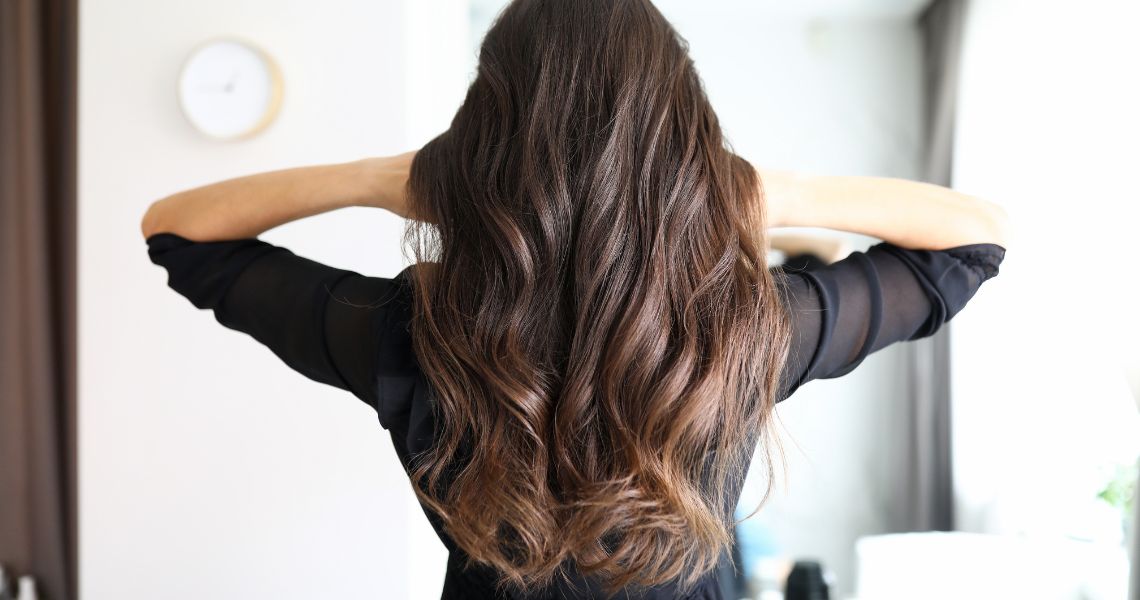
How to make heatless waves without damaging your hair, viral headband method, overnight braids, bun, socks, rollers and scarf. 6 step-by-step methods.

How great waves in your hair look, but how hard it is to make them without reaching for implements that apply heat. Straighteners or curling irons are great for this kind of hairstyle, but in the long run they can cause dryness, loss of shine and breakage if not used properly and with heat protection. That is why more and more people are looking for alternatives that give an amazing finish without exposing our hair to high temperatures.
The good news is that it can be done! There are some simple techniques that make the most of the way hair dries to create movement. Some, like the headband or socks method, have gone viral on social media, while others, like braids or rollers, have been used successfully for decades.
The key is to get your hair ready properly, allow it dry completely and choose the most suitable method for your hair type. Let’s see how to make waves in your hair without using heat and look stunning this summer!
How to make heatless waves in your hair
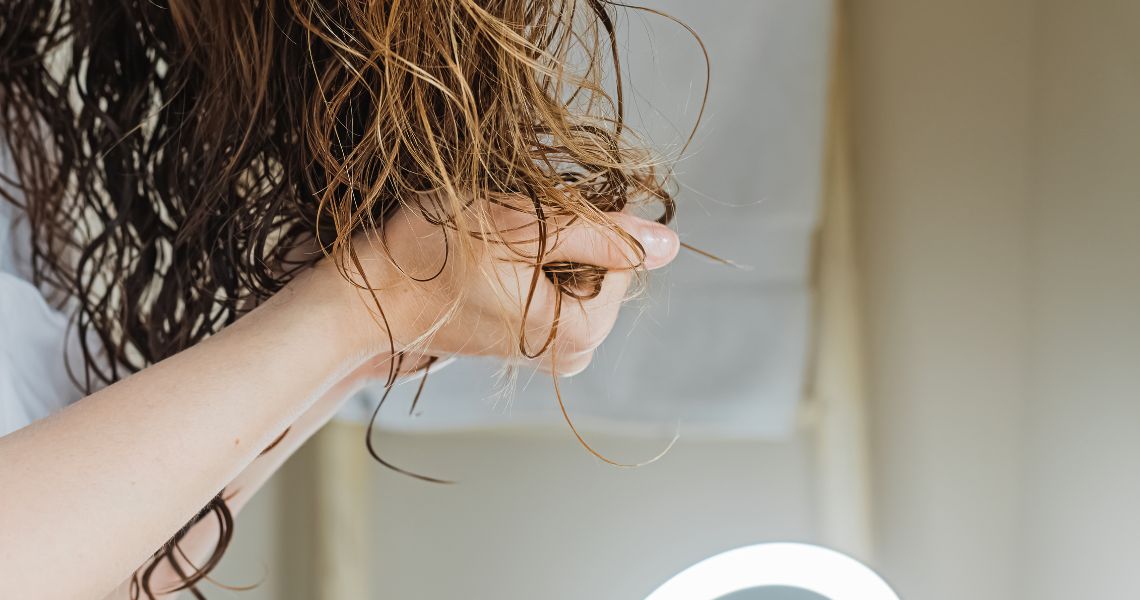
If you are wondering how to make waves in your hair without straighteners, the principle is always the same: you need to shape your hair while it is still slightly damp and hold that shape until it dries completely. This way, the keratin in your hair temporarily locks in the new structure without the need to apply heat.
For a foolproof result, though, we recommend the following:
- Hair should be clean and slightly damp, never soaking wet.
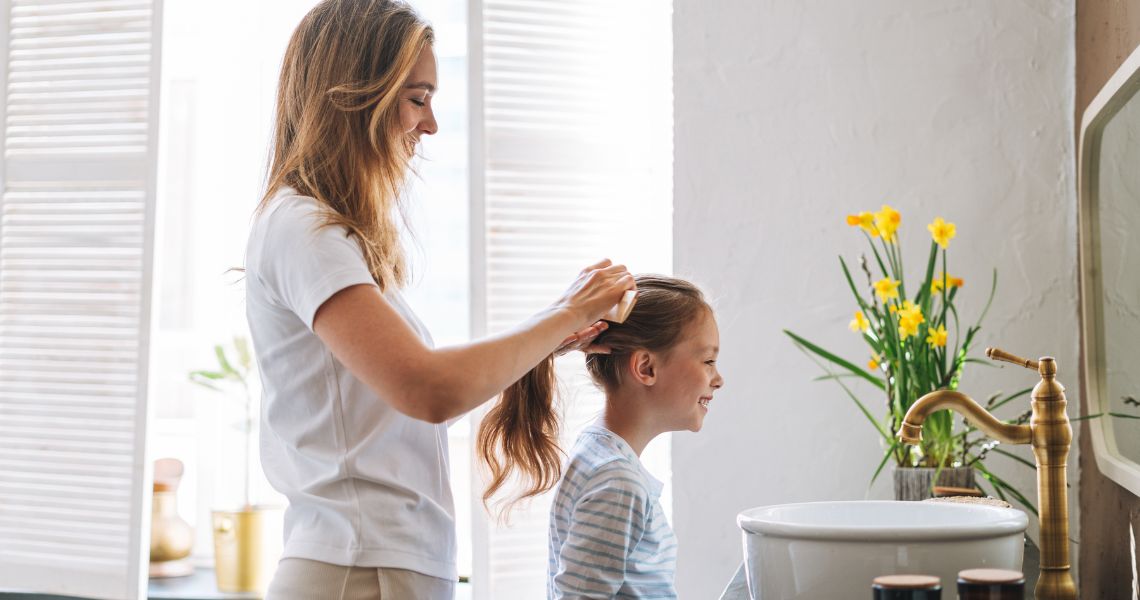
- Untangle it thoroughly before you start.
- Split your hair into sections to work more accurately.
- Wait until your hair is completely dry before letting it down; ideally a few hours, or even overnight.
- Avoid brushing the waves once finished; it is better to loosen them using your fingers.
Why make heatless waves
Reducing exposure to heat is one of the standard recommendations for minimising cumulative hair damage. Although today's straighteners feature gentler technologies, high temperatures still temporarily alter the structure of the hair fibre.
In case you still have doubts, here are the main advantages of heatless waves:
- They reduce the risk of split ends and breakage.
- They help preserve your hair's natural hydration.
- They are suitable for frequent use.
- They leave a more natural-looking finish.
- They save you time, as many methods make use of the hours you spend sleeping to shape your hair without you hardly having to do anything.
How to get your hair ready before making heatless waves
Preparation matters just as much as the technique you choose. It is best to wash your hair with a shampoo suited to your specific hair type and apply a light conditioner to make styling easier. Then, remove any excess water, preferably with a microfibre towel, avoiding rubbing to prevent frizz.
Your hair should be damp, roughly 70 to 80% dry. If it has already dried, don’t worry, as spraying a little water on it will be enough to dampen it and start shaping it.
If you want the waves in your hair to last longer, it is a good idea to apply a light mousse, a styling cream or a gentle hold product.
Heatless waves with a headband or elastic band
This method, that has become popular on TikTok, is one of the current favourites because it creates very loose, natural-looking waves.
To do this, follow these steps:
- Place a fabric headband, or an elastic band, around your head.
- Split your hair into two large sections.
- Wrap small strands around the headband, adding more hair with each turn.
- Continue until you reach the ends and secure each one with a hair tie.
- Keep the headband in for six to eight hours, ideally overnight.
- Remove it gently and separate the waves with your fingers.
This option is particularly useful for medium-length and long hair.
Heatless waves with overnight braids
Braids are probably the most classic technique, and one of the simplest for anyone who wants to know how to make waves in your hair without hair irons.
How to do it? Follow these steps:
- Split your hair into two, four or more sections, depending on the size of the waves you want to make.
- Braid each section while your hair is still slightly damp.
- Secure the ends with a soft hair tie so they are not uncomfortable while you sleep, and leave them in until the following morning.
- When you wake up, carefully undo the braids and work the waves with your hands to set them.
Bear in mind that the more braids you make, the more defined and smaller the waves will be.
Heatless waves with a bun or donut
A high bun is ideal for achieving soft, bouncy waves.
This is how to make them:
- Make a high ponytail while your hair is still slightly damp.
- Use a bun donut, or wrap the ponytail around itself to form a bun.
- Secure your hair with hairpins or a hair tie.
- Leave it in place until your hair has dried completely.
- Carefully undo the bun and, again, separate the waves using your fingers.
If you do not have a donut, a well-secured bun will work just as well. The result will be a little looser, but just as effective.
Heatless waves with socks
Although it may sound surprising, long socks have become one of the most widely used accessories for creating defined waves.
Follow these steps:
- Split your hair into several sections.
- Place a sock next to the first lock.
- Make a three-strand braid using the sock as the central strand, crossing the two sections of hair over and under it alternately until you reach the ends.
- Secure the end with a soft hair tie.
- Repeat the process on the rest of your hair.
- Wait six to eight hours before removing them.
The size of the strand will determine the result: the finer it is, the more defined the wave will be.
Heatless waves with rollers or flexi-rods
Flexible rollers are still one of the most effective techniques for achieving long-lasting heatless waves.
These are the steps to take:
- Section off small strands.
- Wrap each one around a flexi-rod, working from the ends towards the roots.
- Bend the ends of the rod to secure it.
- Wait until your hair has dried completely.
- Remove the rollers without pulling on your hair.
This system lets you control the size of the curl more accurately, depending on the diameter of the roller you choose.

Heatless waves with a scarf or bandana
Scarves produce results very similar to the headband method, but tend to create somewhat looser waves, as its thicker fabric reduces tension on the hair and creates wider curls as it is wrapped.
Simply do the following:
- Lay a scarf lengthways over the top of your head.
- Divide your hair into two sections.
- Wrap each section around the scarf, gradually adding more hair, as if creating a spiral.
- Secure the ends with a hair tie.
- Cross the ends of the scarf towards the back and tie them together so they don’t get in the way while you sleep.
- Leave it in for several hours or overnight.
When you take it out, simply loosen the strands slightly with your fingers for a natural finish.
How to make heatless waves according to your hair type
Not all techniques work the same way on all hair types. That is why it is important to know what type of hair you have, and based on that, choose the method that suits it best:
- Fine hair. It is a good idea to use mousse or a texturising spray before you start, and go for smaller strands so the waves hold better.
- Thick hair. It is best to divide your hair into more sections and leave it overnight so that the hair also dries into shape all the way through.
- Straight hair. It usually needs a little more hold, as it tends to lose its shape easier. That is why rollers or socks generally produce better results.
- Wavy hair. Any of the techniques above will help define your natural wave and control frizz without altering the texture.
- Curly hair. Rather than creating waves from scratch, on this hair type these techniques help make the curls longer, control volume and achieve a much more defined pattern.
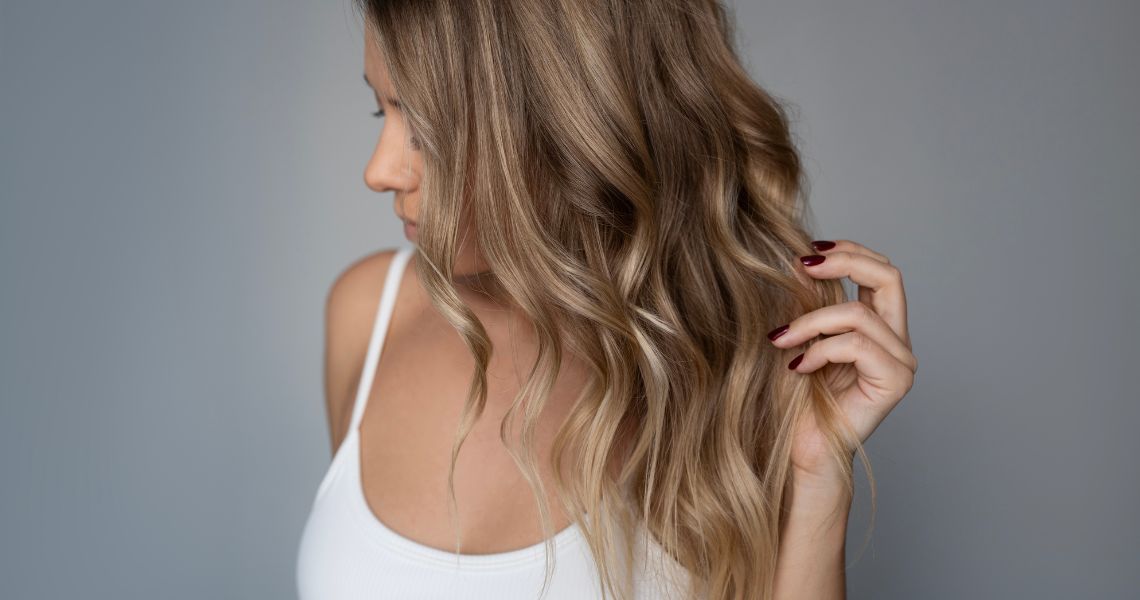
Tips to make your heatless waves last longer
How successful the waves in your hair are does not just depend on the method you use to make them. These tips will help make your style last longer, so bear them in mind!
- Always wait until your hair is completely dry before removing whichever accessory you have chosen.
- Avoid touching the waves constantly throughout the day.
- Use a small amount of flexible-hold hairspray or setting spray if you need extra hold.
- Sleep on a satin or silk pillowcase to reduce friction and frizz.
- If the waves lose their definition the next day, simply dampen a few strands slightly and twist them with your fingers to renew them.
With a little practice, you will discover which technique works best for you and achieve waves in your hair with a natural look, without resorting to heat tools. As well as protecting your hair in the long run, you will have a simple way to change your look whenever you feel like it. So which method will you try today?
What do you think about?
Share comments, opinions and tricks with the Community