
Differences between hair mask and conditioner
Discover the differences between hair masks and conditioner for your hair, when to use each one and which one to choose for your hair type.

We are all aware of the importance of our haircare routine, but do we really know the difference between hair masks and conditioners? Although they are sometimes mixed up, they have different, but complementary, purposes. To keep our hair healthy, strong and full of life, we are going to discuss some key points to bear in mind to use both products properly.
Hair mask
Hair masks are an effective treatment for deep hair hydration and repair, according to the needs of each hair type. Using hair masks helps restore softness, shine and elasticity, particularly if we have dry or damaged hair caused by heat, dye or environmental factors.
There are different types of hair masks available on the market today for different purposes: hydrating, repairing, nourishing or specific for dyed or curly hair.
When and how to use hair masks
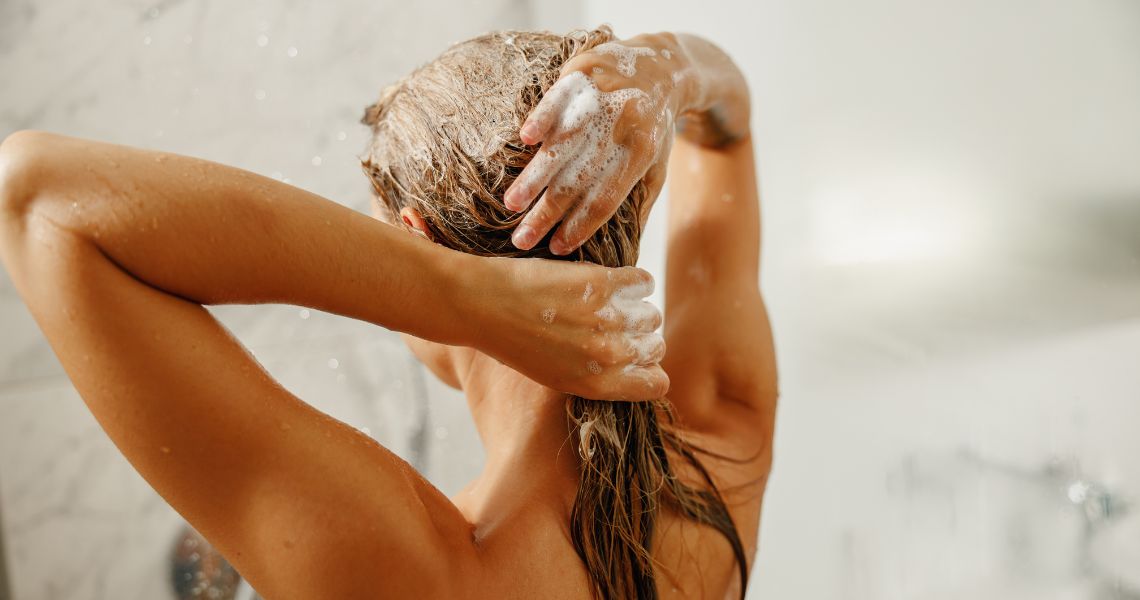
Hair masks are usually used after washing our hair with shampoo and before applying conditioner while our hair is still wet. Applying it from the middle to the ends is recommended, avoiding the roots so that the oils and nutrients do not leave oil on the scalp. The application time is usually stated on the packaging, usually between 10 and 15 minutes to allow the ingredients to penetrate the hair fibres.
As for frequency, hair masks are usually applied once a week. Nevertheless, the frequency may vary depending on hair type: dry or damaged hair may require more frequent application, whereas fine or greasy hair may need less.
Types of hair mask according to hair type
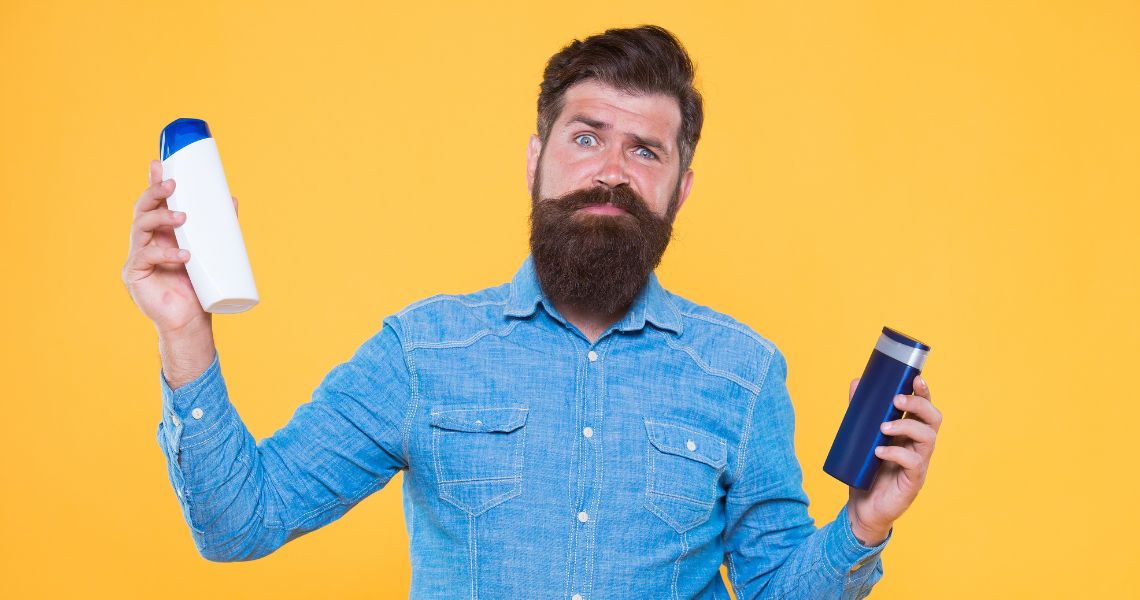
Choosing the right hair mask for your hair depends on what type of hair you have and its specific needs. Each hair mask is designed to treat a specific hair problem.
- Dry or dehydrated hair: this type of hair usually lacks shine, has a rougher texture and is more likely to frizz. Hydrating or nourishing hair masks for dry hair with vegetable oils, shea butter or aloe vera help to return the moisture, improve elasticity and confer softness.
- Damaged hair: the frequent use of hair irons, dryers, dyes or bleaching can weaken hair fibres. Repairing hair masks, rich in proteins, keratin or ceramides help to restore the structure of our hair, reduce breaking and strengthen it from the inside.
- Fine or flat hair: needs products that do not weigh down our hair. Light hair masks confer hydration without reducing volume, and usually include a lower concentration of softening ingredients.
- Curly or very frizzy hair: curls tend to dry out more because the shape of the hair fibre makes it harder for natural oils to reach the ends. Highly nourishing hair masks with natural oils or vegetable butter help to define curls, control frizz and keep our hair hydrated.
- Dyed hair or highlights: requires specific care to keep the colour and avoid fading. The most suitable hair masks for this type of hair usually include antioxidants and protective filters, in addition to conferring hydration after application of chemical processes.
Conditioner
Conditioner is a basic product in our hair care routine. The main function of conditioner is superficial hydration of our hair, to make untangling easier and to make our hair softer after washing. Furthermore, it protects hair fibres from daily aggression, such as the heat from hair implements and pollution, and also helps to keep frizz under control.
When and how to use conditioner
The perfect time to apply conditioner is after washing with shampoo, when our hair is clean. As is the case of hair masks, conditioner should be applied from the middle to the ends to avoid making our roots greasy, and to work mainly in dryer areas. Conditioners are usually rinsed off. These conditioners have a light, creamy, runny texture. They work quickly, just by leaving the product on for a few minutes before rinsing it off is enough.
Leave-in conditioners, on the other hand, usually come in spray or light cream format. They are applied to damp or dry hair for hydration and to make brushing easier. Thanks to their light formula, they are designed for frequent use, even everyday use.

Best conditioners according to hair type
Not all hair types require the same product type. Therefore, it is best to choose your conditioner according to the specific needs of your hair.
- Dry or damaged hair: ultra-nourishing conditioners containing vegetable oils, shea butter or aloe vera are ideal to confer softness and shine.
- Fine or flat hair (which can be weighed down if very thick conditioner is used): light, creamy, runny or spray conditioners that do not weigh down your hair and flatten it.
- Curly hair or frizzy hair: nourishing conditioners with natural oils or panthenol can be combined with hair masks once or twice a week for more intensive care.
- Dyed hair or highlights: (which needs extra protection to make the colour last longer): conditioners with antioxidants and filters help to keep the colour intensity and confer hydration.
- Greasy hair: even though it could sound contradictory, greasy hair needs a light conditioner that is absorbed quickly, only applied from the middle to the ends.
Hair masks and conditioner: frequently resolved queries
When applying these products, some queries may arise about how to use them.
The following are some of the most frequently asked questions:
- Can they be applied after the same wash? Yes. Conditioner works immediately to soften and untangle hair, whereas hair masks work deeper down.
- In which order should hair masks and conditioner be used? The hair mask should be applied first to wet hair, leaving it to work for the time indicated in the instructions. The conditioner should be applied after rinsing off the hair mask, to seal in the hydration and make brushing easier.
- Can hair masks substitute conditioner? Not necessarily. Hair masks nourish and repair deep down, but conditioner softens and protects. It is best to combine them according to the needs of your hair.
- How much should be applied? That depends on how long and thick your hair is. A small amount, distributed uniformly, is sufficient. Too much can leave your hair greasy or weigh it down.
- Is the application time different? Yes. Conditioner needs 1-2 minutes to work, whereas hair masks require 5-10 minutes, depending on which one you use.
What do you think about?
Share comments, opinions and tricks with the Community