

Carnivals in Spain: Destinations and flavourful traditional dishes
Discover unique carnivals, the most vibrant destinations and traditional cuisine to enjoy these carnivals to the fullest.

En què consisteixen els carnestoltes a Espanya
Carnivals in Spain are popular festivals of historical-religious origin that are particularly celebrated in the days leading up to Lent. Although every region has its own traditions, all of which combine costumes, music, parades, and street celebrations. Spain hosts some of the world's most renowned carnivals, attracting millions of visitors each year who seek to experience their unique atmosphere, cultural richness, and traditional cuisine.
Carnivals in Spain: the best destinations
One of the most internationally renowned destinations is undoubtedly the Carnival of Santa Cruz de Tenerife, in the Canary Islands, famous for its parades full of colour, rhythm and fantasy, as well as for the spectacular nature of its carnival queens. But there are other destinations in Spain to enjoy carnivals which are just as popular. Here are five of the most famous carnivals, as well as the typical dishes of each area that you shouldn't miss when you visit them.
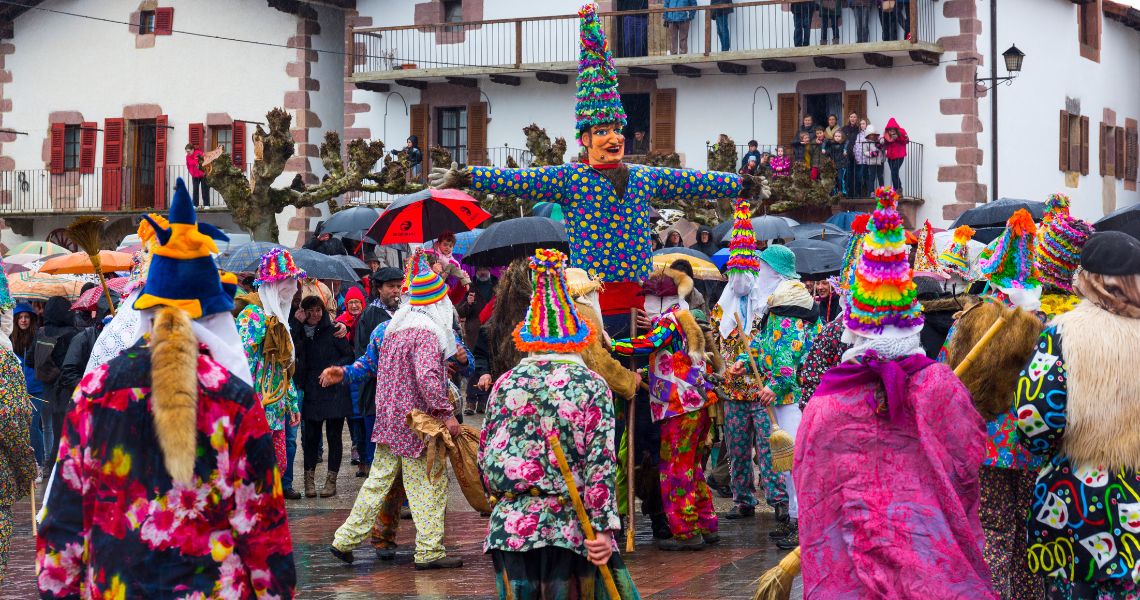
The Carnival of Cádiz (Andalusia)
The Carnival of Cádiz is known as the carnival of humour. For two weeks, the streets become impromptu stages with songs, costumes and a festive atmosphere, invaded by troupes, choirs, costumes and satirical groups that fill them with jokes and joy. The Carnival of Cádiz is not only recognised as a Festival of International Tourist Interest, but has also been declared a Treasure of the Intangible Cultural Heritage of Spain.
Traditional sweets from Cádiz, closely linked to the carnival celebrations. These are thin strips of fried dough, crispy and light, made with flour, eggs, sugar and sometimes a touch of aniseed, which are sprinkled with icing sugar after frying.
The most typical dish: corrusquillos gaditanos.
The Carnival of Águilas (Region of Murcia)
The Carnival of Águilas, in Murcia, is one of the most emblematic festivals in the Mediterranean and is known for its colourful parades, elaborate costumes and a festive atmosphere that permeates all the streets. This festival is not only the most renowned carnival in the Region of Murcia, but also one of the most visited and celebrated in Spain, having been declared a Festival of International Tourist Interest.
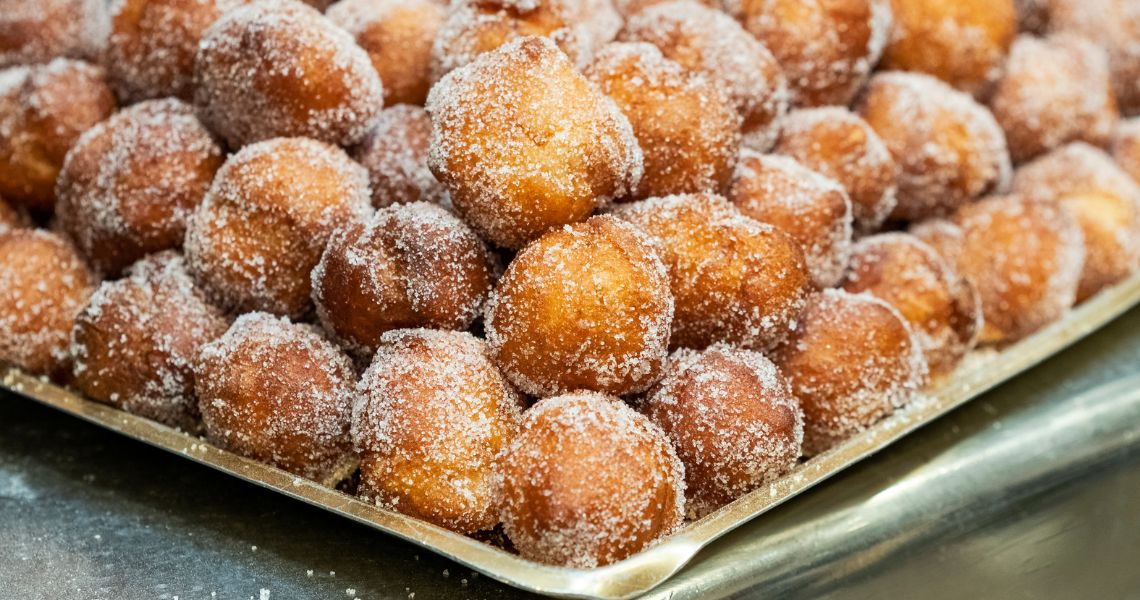
A traditional sweet made with a light and fluffy batter of flour, eggs, and sugar, which is then fried until golden brown. They are then sprinkled with sugar, although some versions are filled with cream, chocolate, or candied pumpkin strands.
The most typical dish: Águilas fritters.
The Carnival of Vilanova i la Geltrú (Barcelona, Catalonia)
The Carnival of Vilanova i la Geltrú is a deeply rooted celebration, well known for its popular, informal, and participatory nature. It is known for traditional events such as the arrival of Rei Carnestoltes, the carnival groups with their famous sweet battles, and the dances and parades that fill the city with music and colour. This festival has been classified as a Festival of National Tourist Interest and is also characterised by its undisputed protagonists, such as the Carnival King, the Moixó oguer, the Vidalot, and the Carnival Notary.
These are sweet pastries, which are round or oblong, sometimes filled with cream, angel hair (a type of sweet pumpkin preserve), candied fruit, or chocolate, and decorated with sugar or fruit. They symbolize indulgence before Lent and are usually shared among family and friends during the Carnival.
The most typical dish: Carnival tortells.
The Carnival of Vinaròs (Castellón, Valencia)
One of the most well-known carnivals in Valencia is the Carnival of Vinaròs. This festival is recognized as a Festival of Regional Interest and is known for parades are full of troupes, feathers, light, and spectacular choreography. For several days, the city is filled with music, competitions, galas, and activities that blend tradition and modernity, culminating in the grand parades at the weekend. It is also known for its Carnival Queens and the mythical character Don Carnal, who arrives every year to entice everyone attending the festivities to "sin" during Carnival to the rhythm of the comparsas (carnival troupes).
Small pieces of caramelised almond mixed with sugar and sometimes nuts, which solidify into a kind of sweet and crunchy rock, very typical in this town during Carnival time.
The most typical dish: Vinaròs sweet rocks.
Carnival of Miguelturra (Ciudad Real, Castilla-La Mancha)
This festival, declared a National Tourist Interest, is one of the most emblematic carnivals in Castilla-La Mancha and is known for its lively street atmosphere and participatory spirit. Its famous masked revellers roam the town playing pranks and remaining anonymous as an essential part of the tradition.
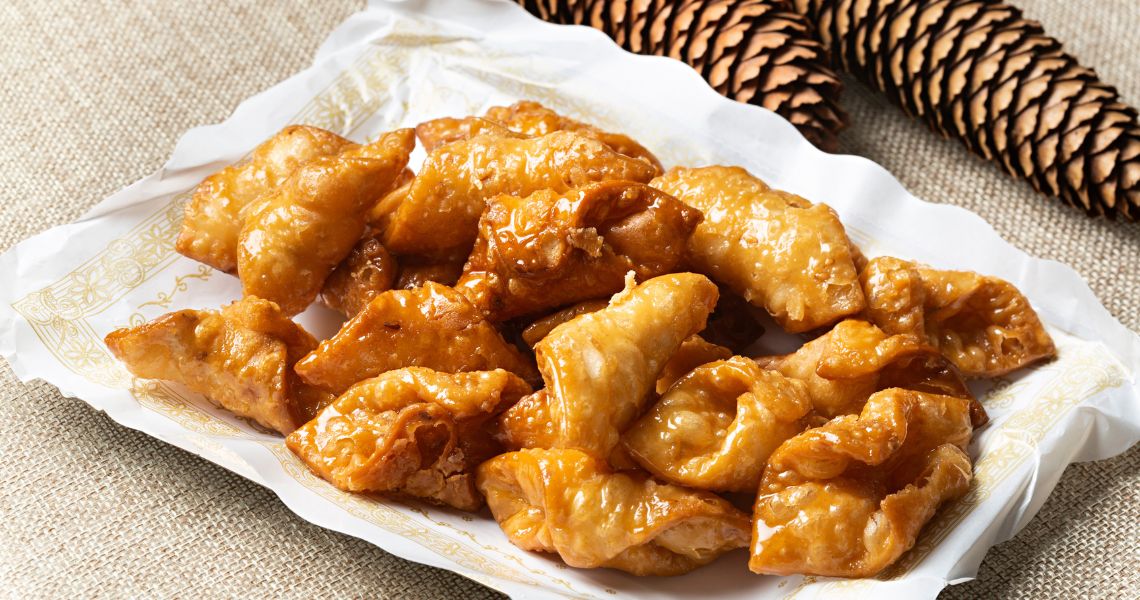
Fried pastries sprinkled with sugar or drizzled with honey, very popular in Andalusia and Castilla-La Mancha. Orejas are thin, crispy pastries, usually fried and sprinkled with sugar, characterised by their irregular, flattened shape, resembling an ear. Pestiños are pieces of fried dough flavoured with aniseed, sesame seeds, or honey, and are usually sprinkled with sugar or drizzled with honey.
The most typical dish: orejas and pestiños.
What do you think about?
Share comments, opinions and tricks with the Community