

Bland diet for gastroenteritis: what foods to eat to recover
You don’t know what to eat with gastroenteritis? Discover the best foods for an astringent bland diet and how to recover quickly with Consum’s tips.

The colder season brings with it viral gastroenteritis, especially the one caused by viruses such as norovirus, with increased circulation in the months of autumn and winter. Nausea, vomiting, diarrhoea and abdominal pain are some of its most common symptoms.
With this in mind, it is normal to wonder: what can I eat with gastroenteritis? You should know that staying well hydrated and progressively recovering your diet is essential, and a bland diet can help relieve discomfort with easy-to-digest foods. Let’s find out what they are!
Autumn and winter viruses: when is an astringent, bland diet necessary?
Gastroenteritis is an inflammation of the stomach and intestines caused by viruses, bacteria, or other agents. Among the most frequent, as already mentioned, norovirus stands out, especially during the cold months. To relieve its symptoms, an astringent, bland diet has traditionally been recommended, one based on low-fat, easy-to-digest foods.
The key, in any case, is to keep hydrated and gradually recover food, according as you can tolerate it . In fact, with children, it is recommended to resume their usual diet quickly, keeping up breastfeeding, where appropriate.

What can I eat with gastroenteritis: foods that are allowed and easy to digest
If you’re wondering what you can eat in a bland diet, the answer is more varied than it would seem. The important thing is to choose simple dishes, moderate fats and adapt the amounts to your appetite.
Among the main foods for a bland diet that are usually well tolerated are:
- White rice: boiled and accompanied by a small amount of extra virgin olive oil.
- Cooked potato: boiled, steamed or as a smooth purée, without adding butter or fatty sauces.
- Cooked carrot: its tender texture makes it easy to consume when there is digestive discomfort. It can be boiled or grated.
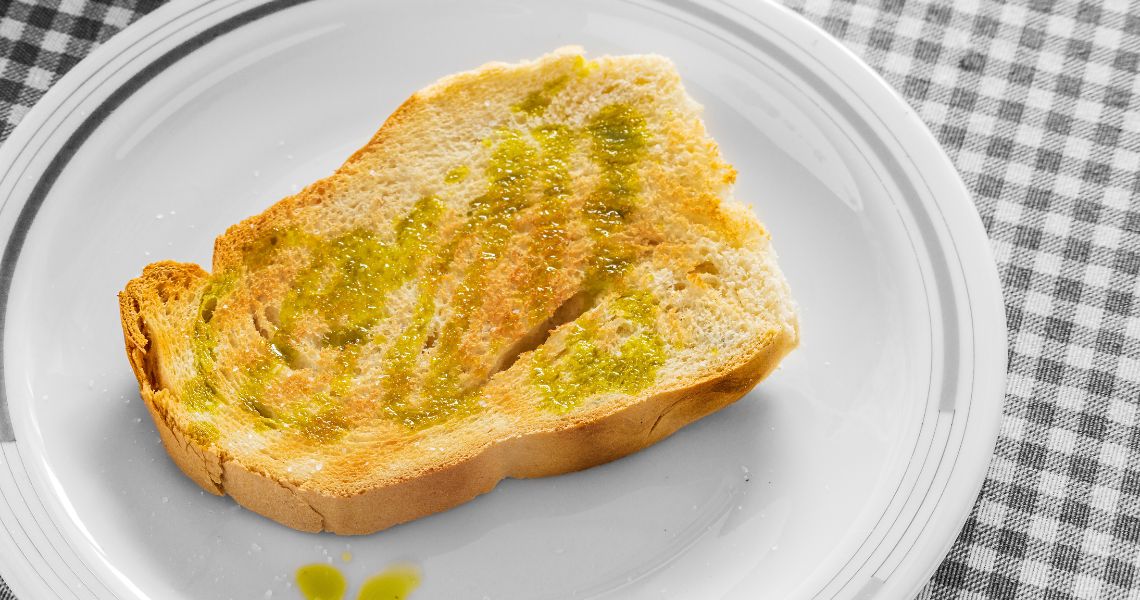
- White bread and toast: these are simple options to accompany meals or for taking small amounts when your appetite returns.
- Chicken and turkey: preferably without skin, grilled with little oil, boiled or steamed.
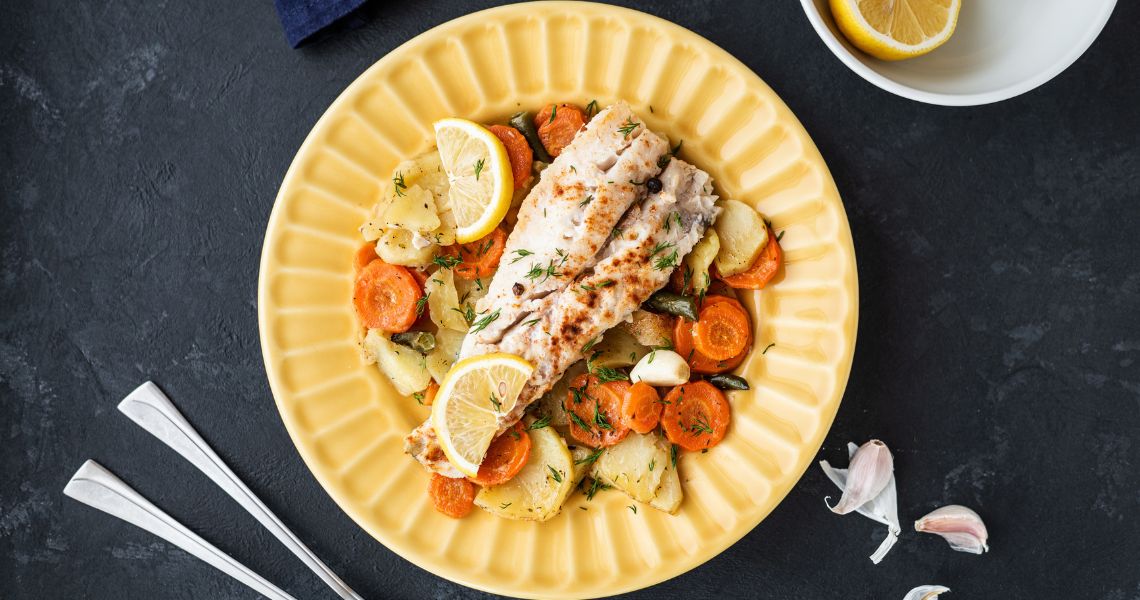
- White fish: hake, whiting, sole, steamed, boiled or baked with very little fat.
- Ripe banana: it provides carbohydrates and potassium and is usually easy to eat.
- Cooked apple or compote: with no added sugars, it can be a pleasant option when there is very little appetite.
- White pasta: cooked and accompanied by mild ingredients, avoiding very fatty or spicy sauces.
You don’t need to eat all of these foods or follow a strict order. It is advisable to start with small amounts and progressively increase the portions according as you tolerate them.
Forbidden foods that you should avoid so as not to irritate your stomach
During a bout of gastroenteritis, it’s a good idea to temporarily avoid foods that can aggravate digestive discomfort, such as fried foods, fatty or spicy foods, alcohol, coffee, sugary soft drinks and foods rich in insoluble fibre, such as whole grains and raw vegetables.
In addition, some people may experience temporary lactose intolerance, so it is advisable to reduce its consumption if it causes gas, abdominal pain or diarrhoea. Dairy products do not need to be eliminated if well tolerated.
The golden rule of hydration: water, oral rehydration solution and digestive herbal teas
Staying well hydrated is essential during a bout of gastroenteritis, as vomiting and diarrhoea cause a loss of water and mineral salts. To avoid dehydration, you are recommended to drink small amounts of fluids frequently, especially if you suffer from nausea.
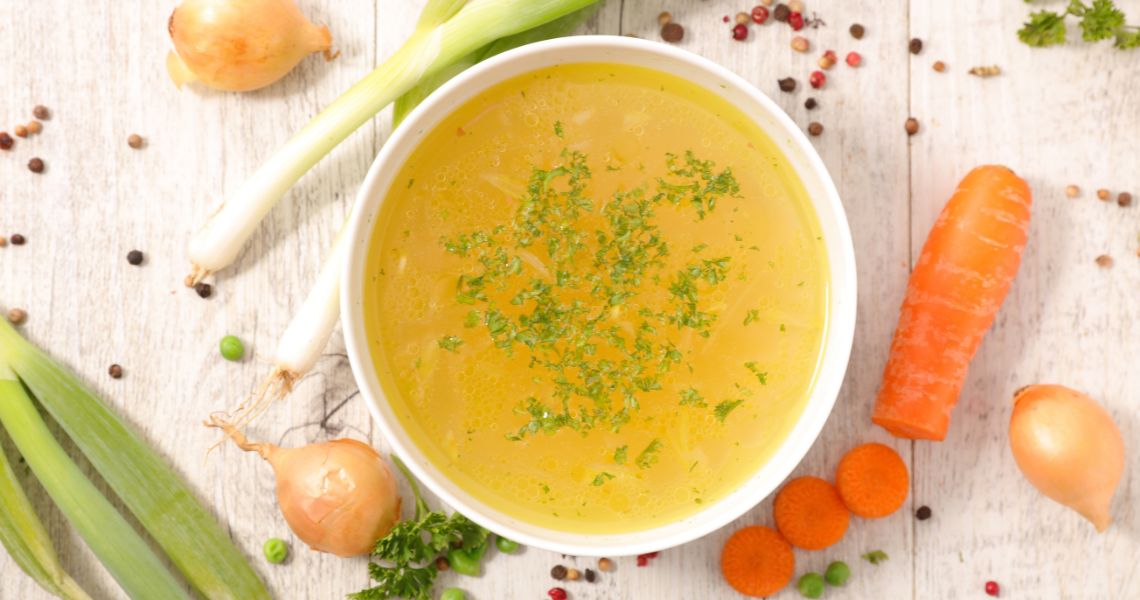
Among the recommended options is water, mild broths and decaffeinated herbal teas, such as camomile. In cases of severe diarrhoea or vomiting, oral dehydration solutions help replace lost water and mineral salts, unlike soft drinks and sports drinks, which do not replace them.
Intense thirst, a dry mouth, dark urine, or dizziness may indicate dehydration. If you can’t keep fluids down, blood appears in your stool, or you have severe abdominal pain, seek medical attention. It is also advisable to take extreme precautions with babies, the elderly, pregnant women and people with chronic diseases.
An example of a bland diet menu for the first 24 and 48 hours
One of the most common questions is how to organize meals during the first few days. Although there is no universal menu for gastroenteritis, this proposal can serve as a guide for an adult with mild symptoms who already tolerates liquids and is eating again.
The first 24 hours: simple meals and small amounts
- Breakfast: a small slice of white toast and a piece of ripe banana.
- Mid morning: apple compote with no added sugars, if desired.
- Lunch: white rice with cooked carrots and a small portion of boiled or grilled chicken.
- Afternoon snack: a slice of toast or a few tablespoons of mashed potato.
- Dinner: a bland cream of carrot and potato soup, accompanied by steamed white fish.
Throughout the day, drink fluids frequently and use an oral rehydration solution when indicated.
Between the first 24 and 48 hours: broaden the variety according to what you can tolerate
- Breakfast: toast with a small amount of extra virgin olive oil and a banana.
- Mid-morning: natural yoghourt, if you can tolerate it well, or a piece of soft fruit.
- Lunch: white past with chicken and cooked courgette.
- Mid-afternoon: apple compote or toast.
- Dinner: baked hake with boiled potato and carrot.
These menus are guidelines. There is no need to wait 24 hours to eat or 48 hours to start eating other foods. If you have an appetite and symptoms improve, you can move on to a varied diet sooner. If vomiting persists, the priority will be to tolerate fluids and avoid dehydration.
How to reintroduce normal foods little by little to protect your gut flora
According as symptoms disappear, it is advisable to gradually return to a varied and balanced diet, incorporating fruits, vegetables, legumes and whole grains, according to tolerance. These foods provide nutrients and fibre that support intestinal function and the balance of the microbiota.
Fermented foods, such as yoghourt or kefir, can also be incorporated if they are well tolerated. In short, to recover from gastroenteritis, you must maintain good hydration, choose foods that are easy to digest and gradually return to your usual diet.
What do you think about?
Share comments, opinions and tricks with the Community