
Benefits of playing an instrument in childhood
Discover how playing an instrument benefits children’s development and improves their coordination, concentration, creativity and social skills.

Music is a universal language that has accompanied mankind since time immemorial. Beyond the enjoyment and excitement it brings, numerous studies support its ability to enrich our development on multiple levels. In particular, the benefits of playing an instrument are very positive, especially when you start from childhood. Here’s why.
What cognitive abilities are developed through learning an instrument?
Playing an instrument is much more than an artistic skill, it’s a key learning tool. Music enhances our cognitive abilities as a whole, activating and stimulating areas of the brain related to memory, attention, language, coordination and creativity.
For example, playing an instrument involves reading sheet music, understanding rhythm, and controlling performance, which helps develop memory and strengthens sustained attention and concentration. It also develops logical thinking and even helps in solving problems more effectively. Numerous studies have shown that students who receive musical training tend to achieve better academic results.
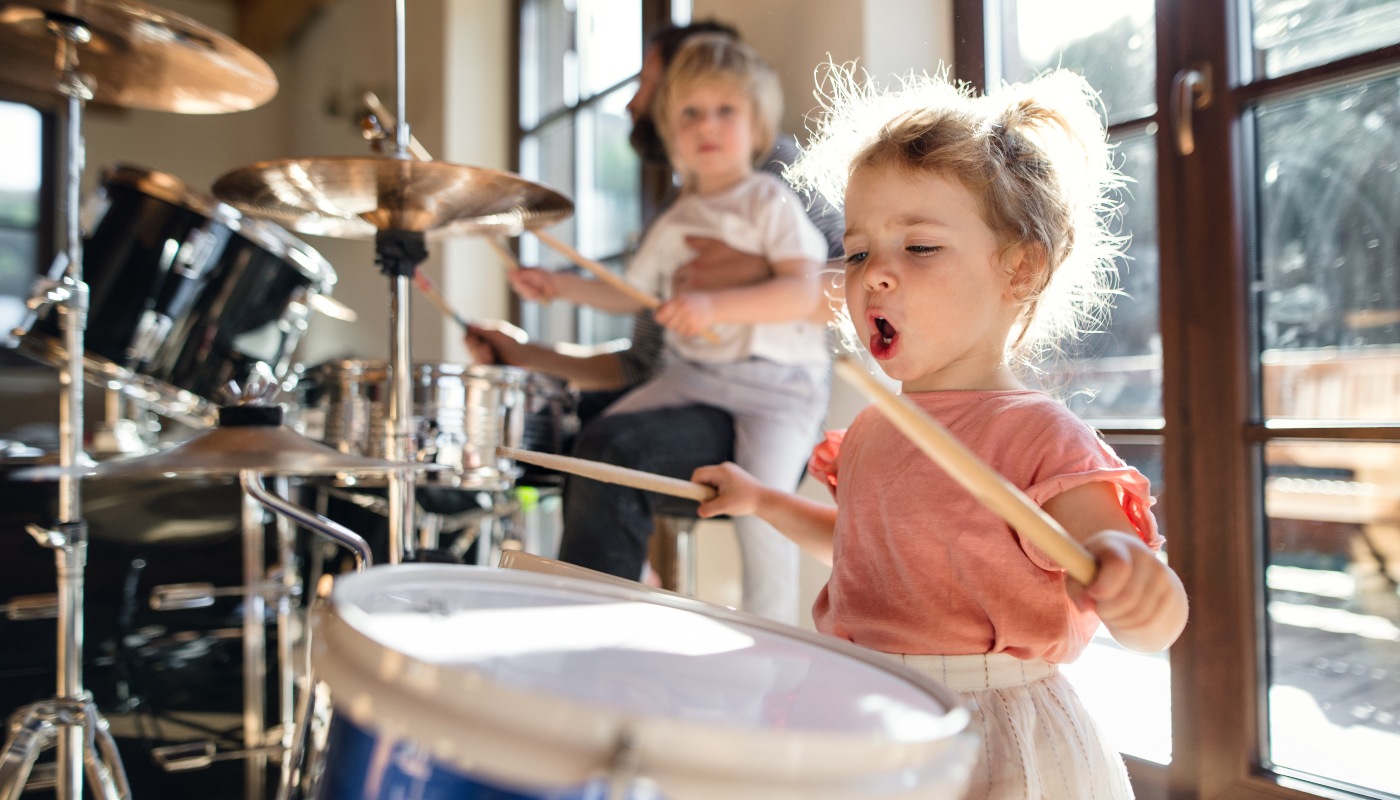
Music also fosters perseverance, consistency and discipline. Repeating different passages, refining techniques or learning a new song requires these kinds of skills, which, in turn, are transferable to other areas of everyday life.
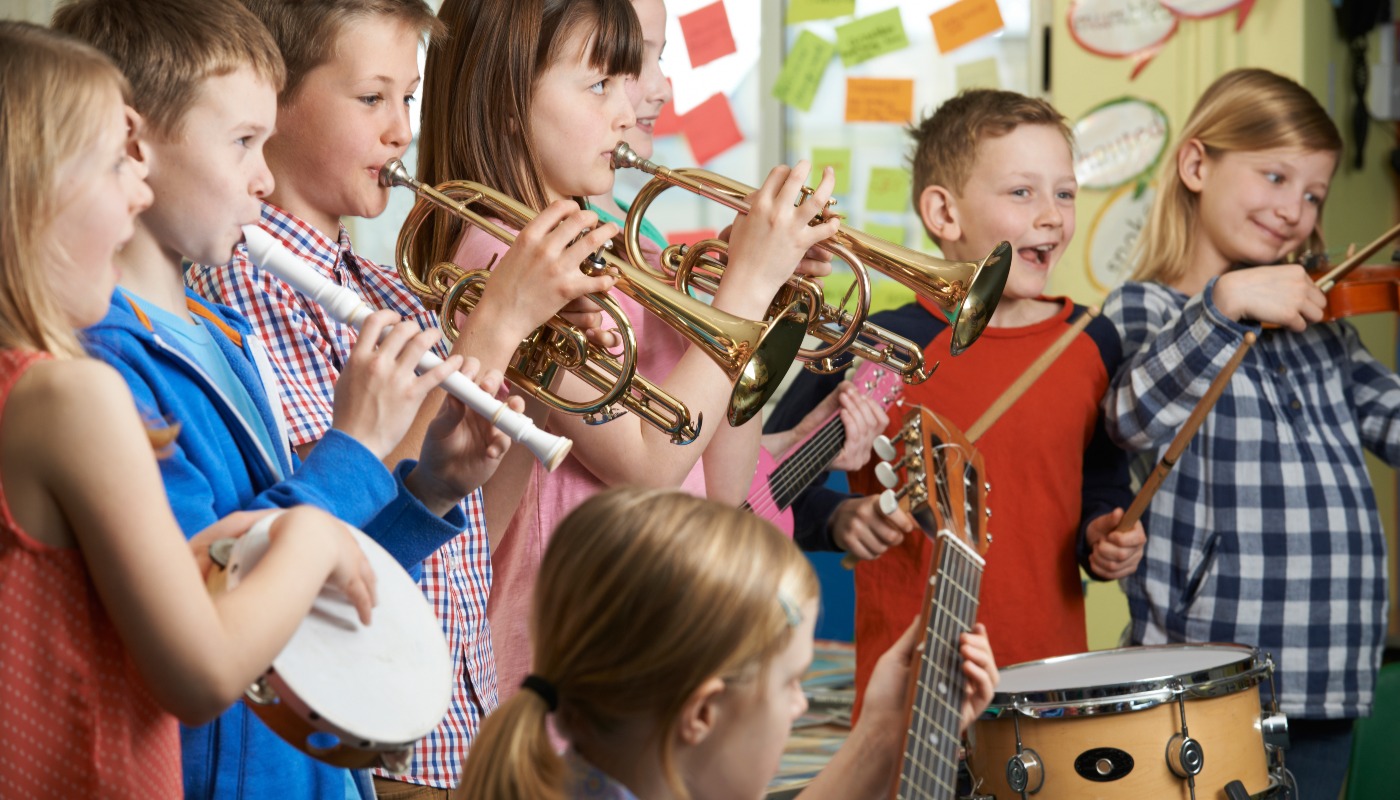
Last but not least, music is also about teamwork and collaboration. Being part of an orchestra, a band or a choir requires coordination with other members of the group and teaches essential values such as learning to respect and listen to others. All of this, in turn, promotes leadership, empathy, communication and mutual support. All these skills are very important for relating to the environment, and it’s essential to encourage them from childhood.
What are the effects of music on the brain?
The effects of music on the brain are astonishing. Numerous research studies indicate that playing a musical instrument is one of the most effective ways to boost intelligence and train the brain. Not only does it help to work on neural connectivity, it also requires various parts of the body to participate, thus contributing to psychomotor development and ultimately strengthening neuroplasticity.
But the benefits of playing an instrument don’t stop there. Music also encourages emotional expression and allows us to release tension, connect with ourselves and communicate complex feelings. Improvising, composing or performing melodies has a lot to do with creativity, innovation, and even critical thinking. Playing an instrument is also thought to help preserve brain health, and people who have maintained this habit from a young age have a lower risk of cognitive decline in later life.
How important is music in early childhood education?
For all these reasons, the importance of music in early childhood education is unquestionable. From a very young age, children show a natural connection to rhythm, sounds and songs. This not only entertains them, which it certainly does, but it also (as is evident) fosters the development of language, attention, motor coordination and memory.
Including music in early childhood education also promotes socialisation, teamwork, empathy and self-esteem at an age when all these issues are particularly relevant. Singing in a group, playing instruments or participating in musical activities creates a fun and trusting environment in which children can grow emotionally and cognitively. On top of all this, music also helps establish routines and channel emotions, providing structure, security and predictability—essential elements for the well-being and balance of childhood.
Music not only entertains, it also educates, transforms and connects. The effects of music on the brain and the benefits of playing an instrument are profound and long-lasting, so incorporating it into daily life (and especially from a young age) is an investment in emotional health, intellectual development and well-being.
What do you think about?
Share comments, opinions and tricks with the Community


Es como aprender otro idioma. El idioma universal mas bonito que existe.
Es como aprender otro idioma. El idioma universal mas bonito que existe.