

Sun allergy: what it is, its symptoms and causes
We are going to tell you what sun allergy is, what its symptoms are and its possible causes. Find out why it is so important to protect your skin from the sun. Don’t miss out!

What is sun allergy?

Sun allergy refers to our immune system’s reaction triggered by exposure to sunlight. Although it is not strictly speaking an allergy as such (such as allergies to dust or pollen), our skin has an adverse reaction which can vary in severity.
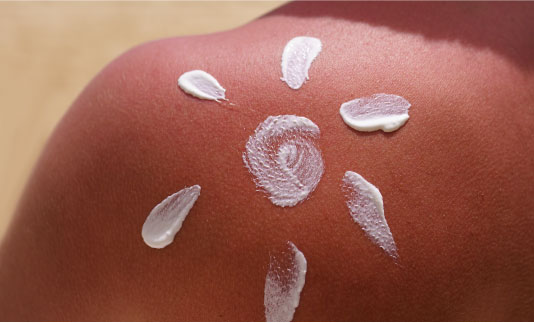
Sun allergy causes
The exact causes of sun allergy are not entirely clear, but several factors have been identified that could contribute to it appearing:
1. Genetics: some people are more genetically susceptible to this condition.
2. UV exposure: ultraviolet radiation (UV) from the sun is the main triggering factor.
3. Photosensitivity caused by medication: some medicines can increase our skin’s sensitivity to sunlight, such as some antibiotics, anti-inflammatory and blood pressure medicines.
4. Chemicals and cosmetics: lotions, perfumes and other products that we apply to the skin can react to sunlight and cause an allergic reaction.
5. Chemicals and cosmetics: lotions, perfumes and other products that we apply to the skin can react to sunlight and cause an allergic reaction.
Sun allergy symptoms
The symptoms of sun allergy can vary from person to person and also with the intensity of exposure to the sun. The most common ones are:
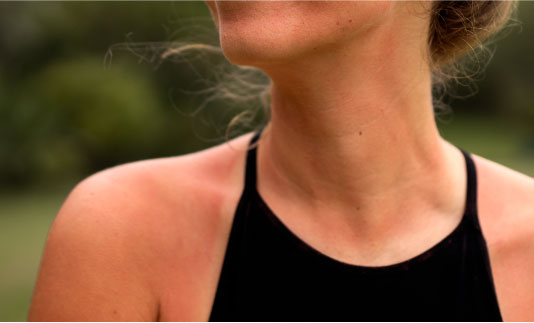
1. Skin rashes: small red spots or blisters that appear on the areas of skin exposed to the sun, such as the neck, chest, arms and legs.
2. Itching and stinging: a feeling of intense itching or stinging in the affected areas.
3. Swelling: the affected areas can swell up in some cases.
4. Peeling: our skin can start to peel or flake after exposure to the sun.
5. Pain: rashes can be painful in the most serious cases.
Management and prevention
Although there is no definitive cure for sun allergy, there are some things we can do to help manage and prevent symptoms:
Avoid direct exposure to the sun: limit the time you are in the sun, particularly during hours of stronger radiation (between 10:00 and 16:00).
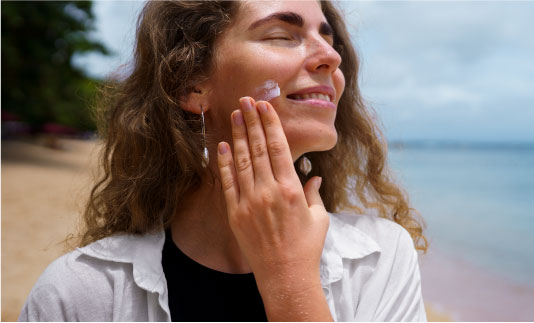
Use sun protection: apply broad-spectrum sun cream with a high protection factor (SPF 30 or over) on all exposed areas of your skin.
Protective clothing: wear long sleeves, wide brim hats and sunglasses to protect your eyes and skin from the sun.
Check with your doctor: in persisting cases you should seek specialist help from a dermatologist.
If you think you could have sun allergy, you should check with a doctor for a proper diagnosis and treatment. Remember, looking after your skin is essential for your general health.
What do you think about?
Share comments, opinions and tricks with the Community