

The best wines for fish: how to choose the perfect pairing
Not sure which wine to choose? Discover the best wines for fish and find the ideal pairing for white fish, oily fish, baked or griddled.

For years, it was thought that white wine was the only possible option to serve with fish. However, the world of pairing has moved on, and today we know that this rule is only a starting point. Having said that, the best wine for fish will depend on factors such as the type of fish itself, its fat content, how you cook it, and even the sauce or side dish accompanying your meal.
The aim of a good pairing is not for the wine to overshadow the fish, nor for the fish to mask the nuances of the wine: the key is to strike a balance between intensity, texture, acidity and aroma so that both enhance each other. Let’s see how we can do it!
How to choose the best wine for fish
Choosing a good wine for fish means looking at the dish as a whole, not just the main ingredient. Steamed sole and grilled salmon are both fish, but they are completely different.
Before choosing a bottle, it is therefore worth considering several factors:
- The type of fish: white, oily or semi-fatty.
- The fat content.
- The cooking method: griddled, baked, steamed, barbecued, deep-fried or raw.
- The sauces, spices or strongly flavoured side dishes.
Generally speaking, wines with good acidity tend to work especially well with seafood, as they provide freshness and help cleanse the palate without masking the flavours of the fish.
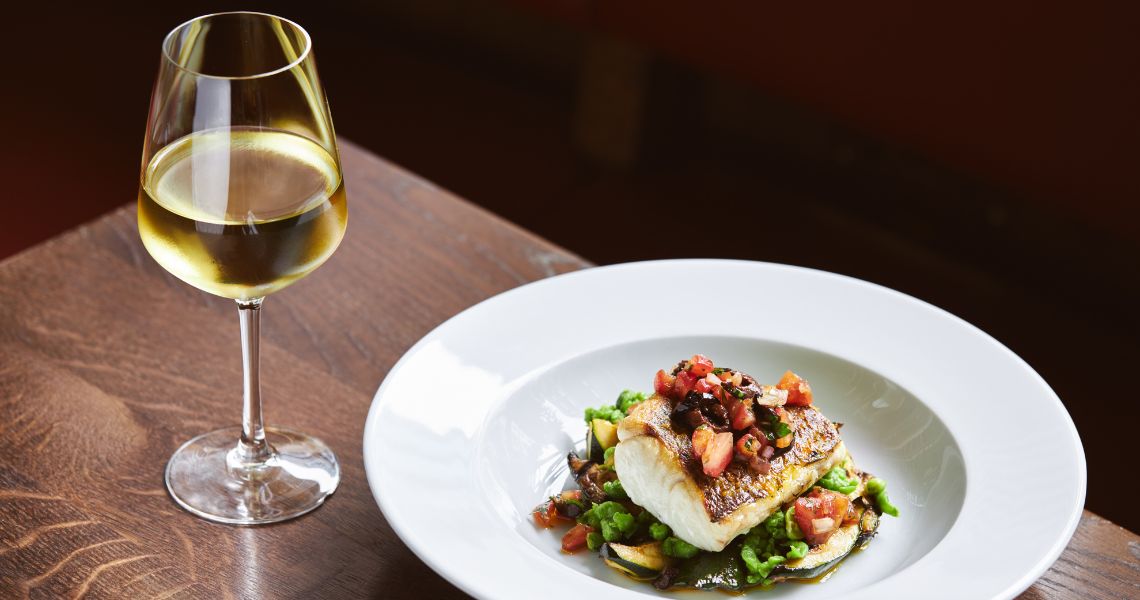
Types of wine that pair best with fish
While choosing a white wine for fish remains the most common choice, there are other alternatives that can have excellent results depending on how the dish is prepared.
Young white wines
These wines are the classic choice for white fish and shellfish. They tend to offer citrus, floral or white fruit flavours, along with a refreshing level of acidity that enhances marine flavours. Varieties such as Albariño, Verdejo, Sauvignon Blanc and some Godello young wines are particularly well suited to light and low-fat fish dishes.
Aged whites
With stronger flavoured fish or if it is served with creamy sauces, a white wine for fish aged on lees or in barrels can add more body and complexity. Chardonnay wines fermented in barrels, or some aged Godello wines, tend to lead to good results with baked or smoked fish, or traditional recipes made with butter or cream.
Rosé wines
Dry rosés are an interesting combination of freshness and structure. They work very well with oily fish, seafood rice dishes, Mediterranean cuisine or lightly spiced recipes.
Light reds
Although less common, some young reds, with low tannin content and good acidity, can also be an excellent choice for fish. Wines made with Garnacha, Mencía or Pinot Noir grapes can pair well with tuna, bonito or marmitako without overpowering the dish.
Sparkling wines
Brut sparkling wines stand out for their versatility. The combination of acidity and bubbles means they pair well with anything from oysters and clams to fried fish or tempura, giving a clean, refreshing sensation between mouthfuls.
Wines for white fish
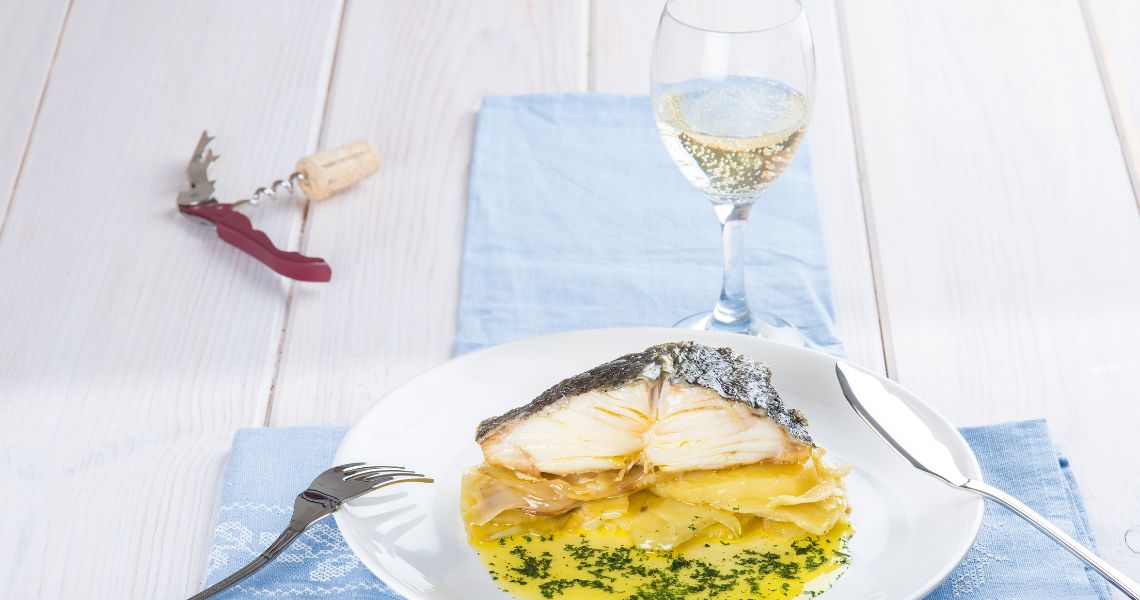
Hake, sole, turbot, monkfish or fresh cod all share delicate flesh and mild flavours, so they benefit from equally elegant wines. In these cases, white wine, as mentioned earlier, is usually the most balanced choice. Albariño, Verdejo, Sauvignon Blanc or Chardonnay wines without excessive woody nuances allow the fish to be the centre of the dish without overpowering it.
If the recipe includes butter, hollandaise sauce or something more elaborate, it may be worth choosing a more structured wine too, an aged white.
Wines for oily fish
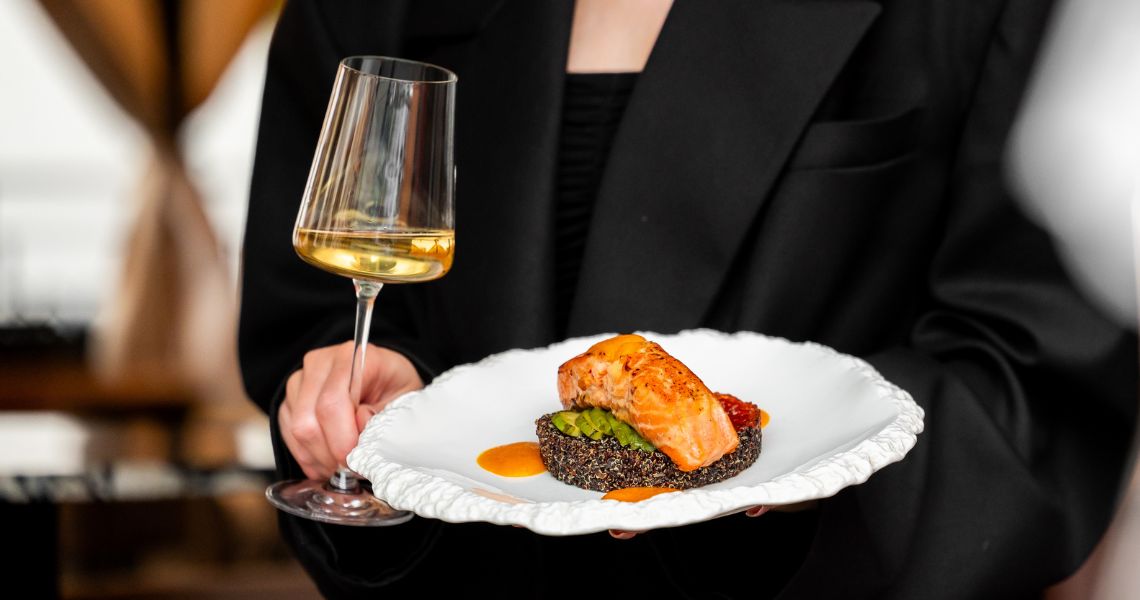
Oily fish have a higher fat content and a stronger flavour. Salmon, tuna, mackerel, sardine or bonito require wines capable of matching that intensity without losing freshness.
Fuller-bodied whites, such as some Godello or Chardonnay wines, tend to lead to very good pairing results. Certain dry rosés and some light reds with low tannin levels can also work particularly well.
Oily fish, such as tuna or bonito, can also be paired with young, light reds with low tannin levels. In these cases, the key is to choose a light red with good acidity and soft tannins, so that it accompanies the fish without masking its flavour.
Pairings with shellfish and other seafood
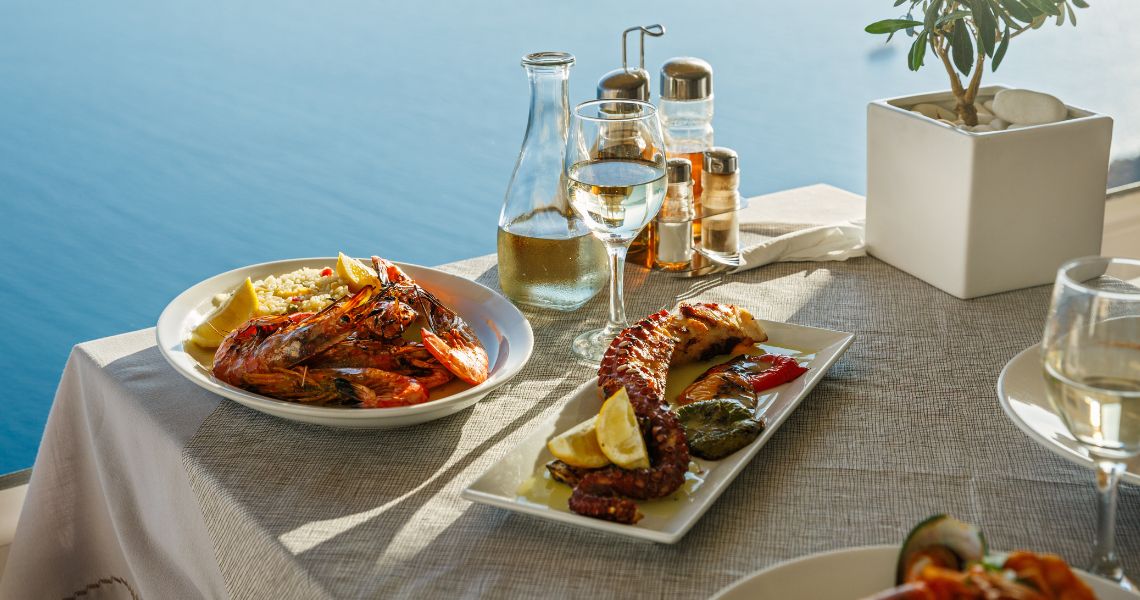
Shellfish stand out for their salty taste and refined nature, which is why fresh white wines are the most common pairings.
Oysters are usually paired with brut sparkling wines or very dry whites with good acidity and a fresh profile. Cockles, clams and mussels are usually paired with Albariño or other fresh, well-acidified whites, while prawns, shrimps and langoustines also pair well with more structured whites depending on how they are prepared.
When ceviches, tartares or marinated fish are on the menu, the high acidity of wines made with Sauvignon Blanc or Riesling grapes helps balance the intensity of the citrus flavours of those recipes.
The best wine according to how the fish is cooked
Cooking changes both the texture and the strength of the dish, and it therefore directly affects the choice of wine:
- Steamed or boiled fish. Young, light and very fresh white wines are the most balanced choice.
- Griddled fish. Depending on the specific variety, both fuller-bodied whites and dry rosés work well.
- Baked fish. If served with creamy sauces or more elaborate side dishes, whites aged on lees or lightly cask-aged can provide a good balance.
- Barbecued fish. The roast flavours allow for more structured wines, and even light reds when it comes to oily fish.
- Fried fish. Brut sparkling wines and whites with good acidity help offset the greasiness of frying and refresh the palate.
Mistakes to avoid when pairing wine and fish
Although pairing has a lot to do with personal taste, there are some mistakes that tend to throw the experience off balance. The first is thinking that all fish need the same wine. As we saw at the start, because of differences between them, there is no hard and fast rule. It is also worth avoiding overly tannic or very woody wines when serving delicate fish, as they can mask its flavours. Similarly, a wine that is too light may fall short against oily fish or recipes with intense sauces.
Another common mistake is forgetting the importance of preparation. In many cases, the sauce, spices or side dish affect the pairing more than the fish itself.
Rather than sticking to a strict set of rules, the best strategy is to balance the strength of the wine with that of the dish. This will make it much easier to find the best pairing for each occasion. And remember that, although white wine for fish remains a foolproof choice, it is not always the only option — there is a whole world of possibilities out there!
What do you think about?
Share comments, opinions and tricks with the Community