
How to unblock a toilet quickly and easily
Is your toilet blocked? Discover how to unblock a toilet at home step by step using home remedies, plus tips to prevent future blockages.

Few household mishaps are as inconvenient and annoying as a blocked toilet. All it takes is for the water to stop draining properly, or to start rising after you flush, for alarm bells to start ringing. But don't panic: the good news is that, in most cases, the problem can be sorted out without the need to call in a plumber.
If you are wondering how to unblock a toilet, we are going to take you through everything you need to know so you can act quickly and stop the blockage turning into a complete disaster. Let's take a look!
Why do toilets get blocked?
Before trying to fix the problem, it is worth identifying what the cause could be. In fact, most blockages have a very specific cause and, in many cases, are entirely avoidable.
Some of the most common causes include:
- Flushing too much toilet paper at once.
- Flushing wet wipes, even ones labelled as “biodegradable” or “flushable”. Numerous water companies and public authorities warn that they are still one of the main causes of blockages in sewage networks.
- Flushing hygiene products such as sanitary towels, tampons, cotton buds or condoms.
- Small objects accidentally falling in, such as air fresheners, or anything else that could block the U-bend.
- A build-up of debris or problems with the pipework itself, which could be the case, especially in older plumbing systems.
If the blockage is also affecting other drains in the home, the problem may not be limited to the toilet but could be in further down a main drainage pipe. In that case, it really is best to call out a professional.
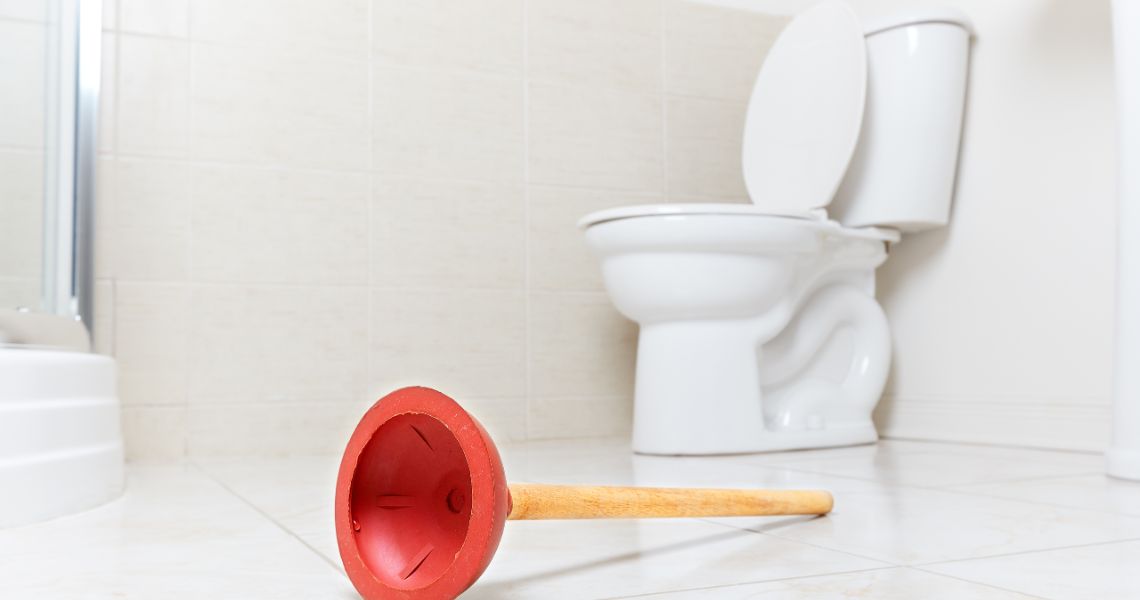
How to tell if your toilet is blocked
Although unusual behaviour from the water is a fairly clear clue, it isn't always the first warning sign. Sometimes there are other symptoms that suggest a blockage is starting to form.
For example, keep an eye out for the following:
- The water takes much longer than usual to drain from the bowl.
- The water level rises when you flush.
- You hear gurgling noises coming from the drain.
- Persistent bad smells appear.
- The water comes back up into the bowl after a few seconds.
If you notice any of these signs, it is best to act as soon as possible, since any delay is most likely to make the blockage worse.
Home remedies for unblocking the toilet step by step
Knowing how to unblock a toilet without immediately reaching for aggressive products is key to tackling the problem, and it is precisely what professionals recommend doing first.
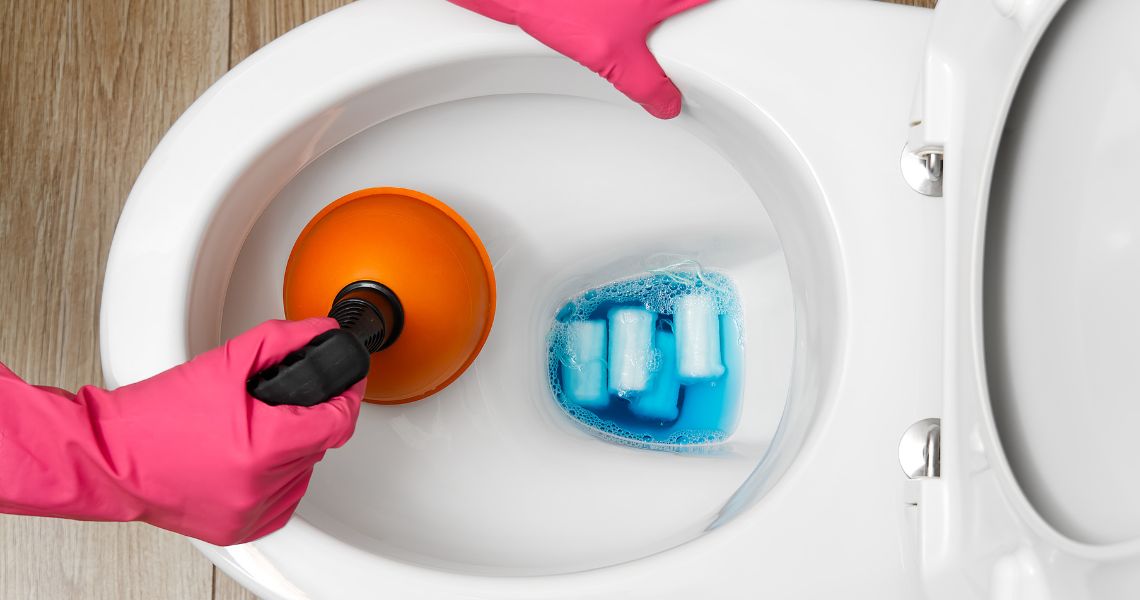
1. Use a plunger
It is still the most effective tool for most blockages. To use it properly, follow these steps:
- Put on a pair of rubber gloves.
- If the bowl is too full, remove some of the water using a container.
- Place the plunger so it fully covers the drain opening.
- Push and pull firmly for around 20 to 30 seconds.
- Remove the plunger and check whether the water starts draining properly.
Tip: the trick is to create continuous pressure and suction, rather than applying excessive force.
2. Hot water and liquid soap
This remedy can work when the blockage is caused by organic matter or paper. In this case:
- Add a cup of liquid soap or washing-up liquid.
- Wait five to ten minutes.
- Slowly pour in very hot water, but never boiling.
It's important to avoid boiling water, as a sudden change in temperature could crack the porcelain.
3. Baking powder and vinegar
This is one of the most popular home remedies, and rightly so, as it can help with minor blockages.
This is how:
- Pour in half a cup of baking powder.
- Then add half a cup of white vinegar.
- Leave it to work for 20 to 30 minutes.
- Finish off with hot water.
Although the fizzing helps loosen some residue, bear in mind that this method has limited effect on solid blockages.
4. Plumber's snake or auger
When the blockage is a bit further down, a flexible snake can reach further than a standard plunger. Feed the coil in slowly, turn the handle when you feel resistance, and keep going until you break up or pull out the obstruction. It is a tool that is widely used by professionals and is especially effective when the blockage is inside the trap.
How do you unblock a severely blocked toilet?
If none of the above methods work, there is probably a major blockage.
In this specific situation, the following steps are recommended:
- Turn off the water supply to the toilet to stop any more water flowing in.
- Don't keep flushing repeatedly, as this will only increase the risk of the toilet overflowing.
- Use a plumber's snake or auger instead of relying solely on the plunger.
- If you decide to use a chemical drain cleaner, strictly follow the manufacturer's instructions and always wear gloves and eye protection.
Chemical products can be effective in certain situations, but it is best not to overuse them. As well as being corrosive, they can damage some pipes if used too often, and can even make things harder for a plumber if you eventually have to call in a professional.
Therefore, if the water still does not drain or the blockage keeps coming back, the best option is to call in professional help.
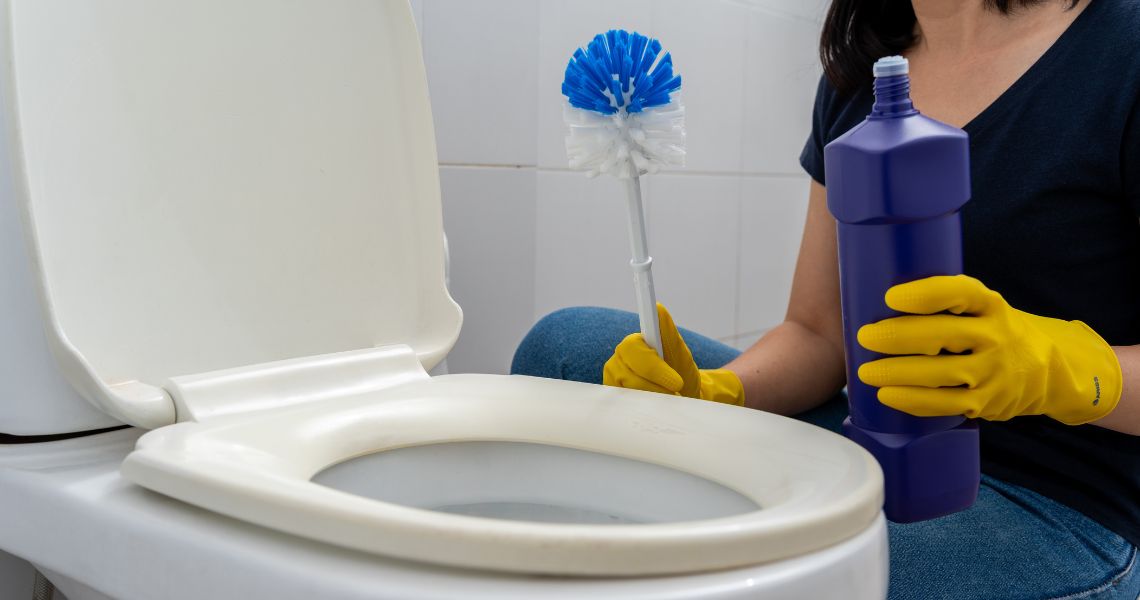
What not to do when trying to unblock the toilet
When a blockage appears, it is easy to act on impulse in your rush to fix the problem as quickly as possible, but certain mistakes can make the situation considerably worse.
That is why we'd suggest avoiding the following:
- Flushing the toilet several times in a row.
- Pouring boiling water directly onto the porcelain.
- Mixing different chemical cleaning products, especially ones containing bleach and ammonia, as this can produce dangerous gases.
- Inserting metal objects that could scratch or crack the toilet.
- Using excessive force with makeshift tools.
In any event, if you are unsure about how to unblock a toilet properly, it is always best to start with mechanical methods before turning to chemical products.
How to prevent future toilet blockages
The best way to avoid a blockage is to prevent it happening in the first place. There are some small everyday habits that can make all the difference.
These tips, for example, will help you keep your toilet in good condition for longer:
- Only flush toilet paper and human waste.
- Do not flush wet wipes, cotton wool, dental floss, oils or hygiene products.
- Use moderate amounts of toilet paper.
- Clean the toilet regularly to prevent limescale and residue building up.
- If you notice that it is draining slower, act before a more severe blockage develops.
Even if you know how to unblock the toilet, these simple habits will considerably reduce the chances of running into the same problem over and over again.
As can be seen, in most cases a blockage can be resolved with some simple, basic tools and a good dose of patience. However, when the problem persists or affects several drains in the home, it is best to call in a professional to avoid more serious damage to the plumbing. Good luck!
What do you think about?
Share comments, opinions and tricks with the Community