

The 5 benefits of second-hand items for the environment
In a world in which the environment has become an urgent necessity, second-hand goods are gaining prominence as a practical and effective solution to reduce our ecological footprint

In a world in which the environment has become an urgent necessity, second-hand goods are gaining prominence as a practical and effective solution to reduce our ecological footprint
and save a few euros. Buying and selling used items not only offers economic benefits but also plays a crucial role in environmental preservation.
This article explores how second-hand items contribute to sustainability and why we should consider adopting this practice in our daily lives.
1. Waste reduction
One of the most obvious benefits of acquiring second-hand items is the significant waste reduction. Every time we buy a used item, we are preventing it from ending up in a landfill. This is especially important for products such as clothing, furniture and household appliances, which can take years to decompose. Furthermore, by giving these objects a new life, we reduce the demand for new products, which in turn reduces the amount of waste generated during manufacture and transport.
2. Conservation of natural resources
The production of new products requires a large amount of natural a cotton T-shirt consumes around 2,700 litres of water, which is enough to cover the needs of one person for two and a half years. By choosing second-hand clothing, we are helping to conserve these valuable resources. This applies to a wide range of products, from electronics to furniture, whose manufacturing process involves the extraction and processing of materials that could be depleted over time.
3. Carbon emissions reduction
The process of manufacturing and transporting new products generates a considerable amount of greenhouse gas emissions. The reuse of second-hand objects reduces the need to produce new items, which in turn reduces the associated emissions. For example, buying a second-hand car instead of a new one can prevent the emission of tonnes of CO2, as most vehicle emissions occur during its production. This reduction in carbon footprint is crucial in the fight against climate change.
4. Promoting a circular economy
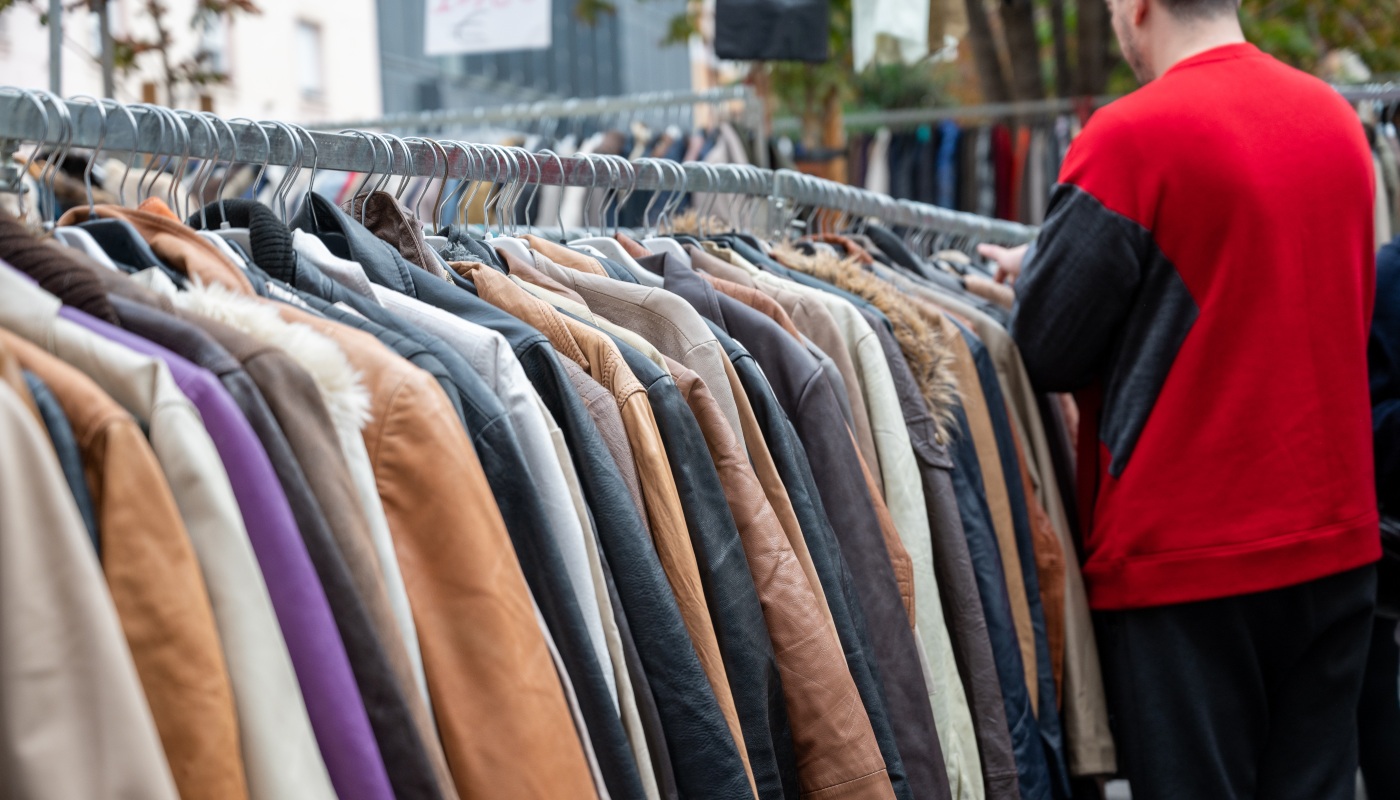
Second-hand goods are an essential component of the circular economy. The aim of this system is to minimise waste and make more efficient use of resources. In a circular economy, products are designed to be reused, repaired and recycled. By participating in the second-hand market, we are supporting this philosophy and contributing to the creation of a more sustainable and resilient system. In addition, this practice encourages innovation and job creation in sectors such as repair and recycling.
5. Economic and social benefits
Beyond the environmental impact, second-hand items also offer economic and social benefits. For consumers, they represent a more affordable option than new products, which can be especially important during times of economic crisis. In addition, the second-hand market can help local communities create jobs and promote local trade. From charity shops to flea markets and online platforms, there are many ways to participate in this economy.
What do you think about?
Share comments, opinions and tricks with the Community