

How to detect obesity in dogs and cats in time
Find out how to detect obesity in dogs and cats and what to do to solve it. Practical tips to improve their health and well-being.

Risks of obesity in pets
Obesity in dogs and cats should not be ignored, as it can lead to joint strain, pain in the limbs or spine, mobility issues, fatigue, and joint wear that increases the risk of injury. Furthermore, in the long run, excess weight can cause conditions such as arthritis, osteoarthritis, diabetes, or hypertension, among others.
Obesity in dogs
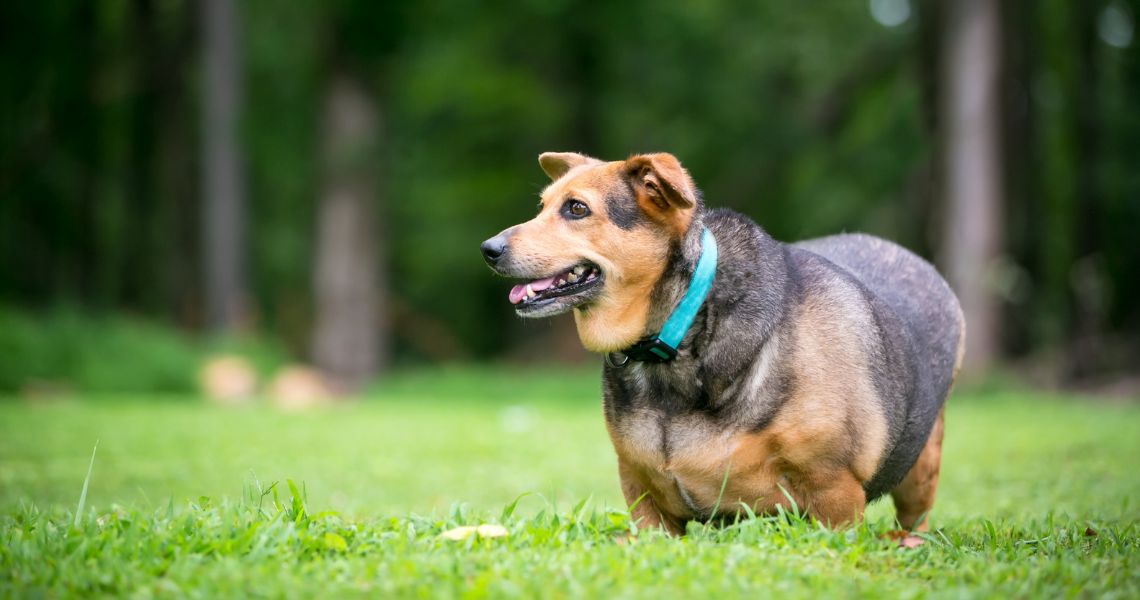
Obesity in dogs is easily detectable to the eye. An obese dog will have fat in areas of its body such as the neck, chest, back, and abdomen. One of the first tests you can do is to feel its ribs. If you can't touch them easily, the dog is likely to have excess fat in this area. Likewise, an obese dog has a rounded abdomen and the waist will not be defined.
Although there are dog breeds that are more prone to being overweight due to their gluttonous nature, such as the labrador retriever or the beagle, if the dog weighs between 10%-20% above its ideal weight, it is considered obesity, and it is important to solve it as soon as possible. It is important that weight loss is progressive.
Obesity in cats
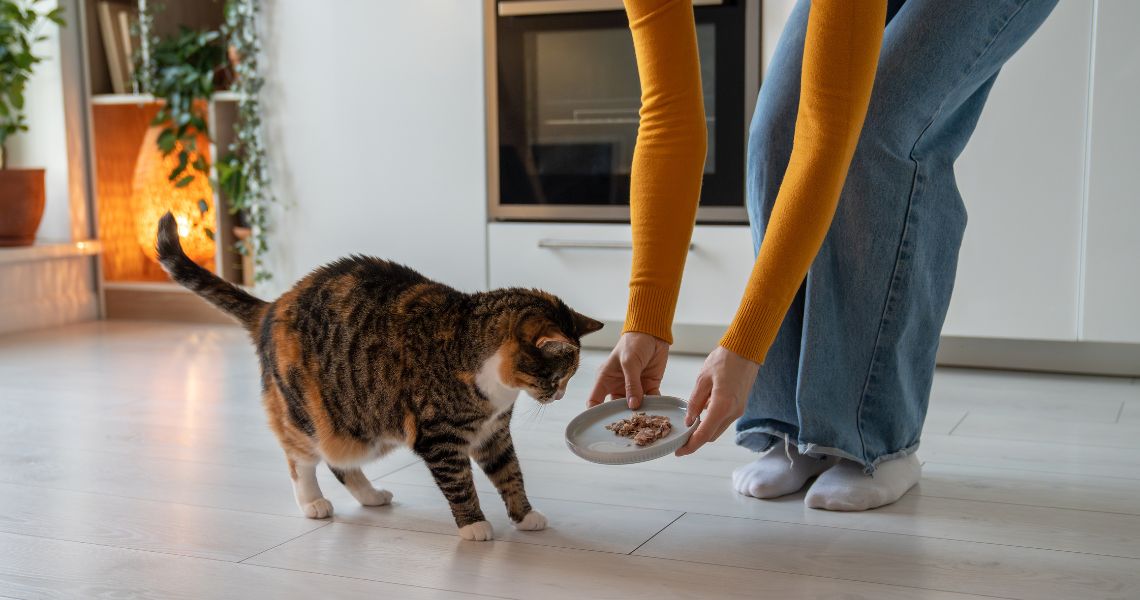
Obesity in cats can be detected in the same way as in dogs. A body and, above all, a rounded abdomen, no waist, ribs that are not marked and little agility in moving or jumping are signs of obesity in a cat.
As there are various causes of obesity, It is always advisable to take the animal to the vet to get it weighed, know exactly how overweight it is and rule out possible diseases.
Causes of overweight in pets
- Sedentary lifestyle: The lack of exercise appropriate for the dog's energy needs, especially in those living in a flat in the city, is one of the main causes. In addition to walking, dogs need activity such as playing with other dogs, sniffing, playing games that simulate hunting, and any activity adjusted to the dog's age, breed, and size. Cats that live in an apartment also need extra environmental enrichment and games to enhance their activity.
- Improper food: due to excess, because the amount that the animal should eat daily is not correctly calculated or because the food is not very nutritious or is inappropriate for its body or for its stage of life. A senior dog or cat should not eat the same as a young, energetic animal.
- Old age: When they get older, dogs and cats decrease their activity and rest for many hours a day. You must take care to adapt the daily diet and exercise to this stage of their life.
- Neutering: Some animals may have a tendency to gain weight after neutering. Although it does not always happen, It is advisable to monitor the weight of the animal after its neutering.
- Illness: Sometimes, being overweight can be caused by a disease, so it is advisable to visit the vet.
Exercises to prevent obesity in pets
- Environmental enrichment: Let the house be a playground for them. Cat scratchers, toys, stuffed animals, interactive games…
- Smell games, like, for example, cutting a sausage into small pieces and hiding them around the house. On the command to "search", the pet will use its nose to find all the pieces. This is one of the games that stimulates and activates them the most. Cats too! At first, make it easy for them, placing the pieces in visible places; Then, increase the difficulty by placing the pieces in places that are more difficult for them to find, even at different heights.
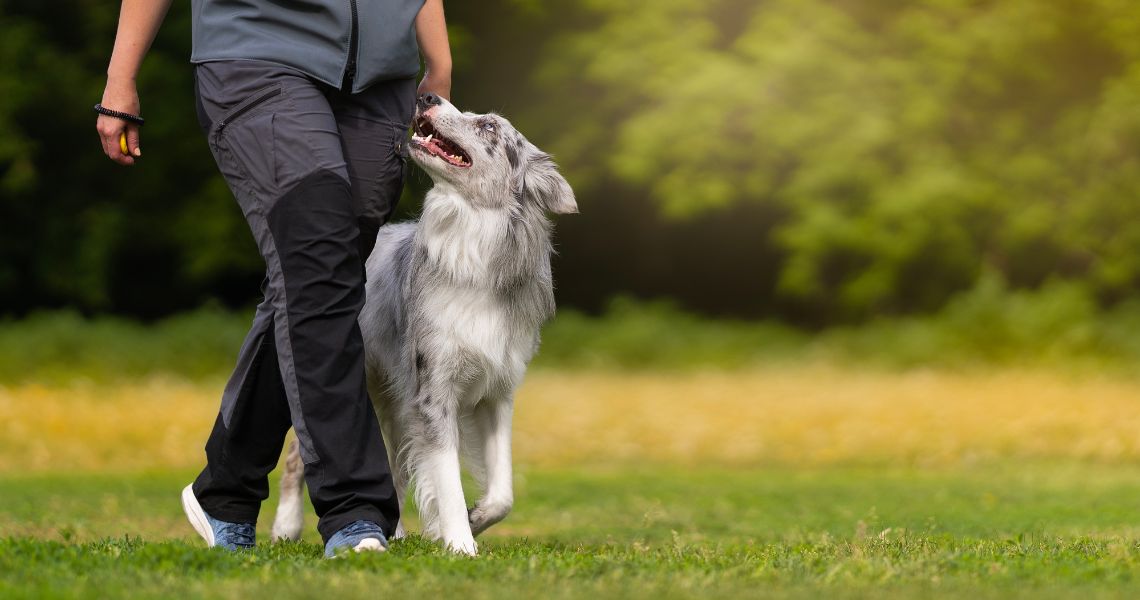
- Playing sports with your dog: There are many sports you can do with a dog that will also increase your bond. You have to look for the one that fits their physical condition, such as agility, mantrailing, throwing a frisbee, paddle surf or, simply walking in the countryside or swimming together in the river.
Daily habits to keep your pet at the ideal weight
- Natural homemade food or quality feed. Avoid offering them our food cooked with salt and other additives.
- Calculate the right amount of food.
- Offer healthy treats, including these calories in the animal’s overall daily diet.
- Daily walks, games, and outdoor exercises for dogs.
- Environmental enrichment, daily games and interactive toys for cats.
- Quality rest.
What do you think about?
Share comments, opinions and tricks with the Community