
Kitchen roll: guide to choosing the best one for your home
Find out what types of kitchen roll are available for your home, how to choose the most absorbent and strongest one, how far each roll goes and what else it can be used for besides drying.

Kitchen roll is one of those basics that we use almost every day without realising it. We use it to mop up a spilt glass of water, absorb excess oil from fried food or dry vegetables after washing them. But are all rolls the same? We are going to tell you what to look out for in order to choose the best roll for your home.
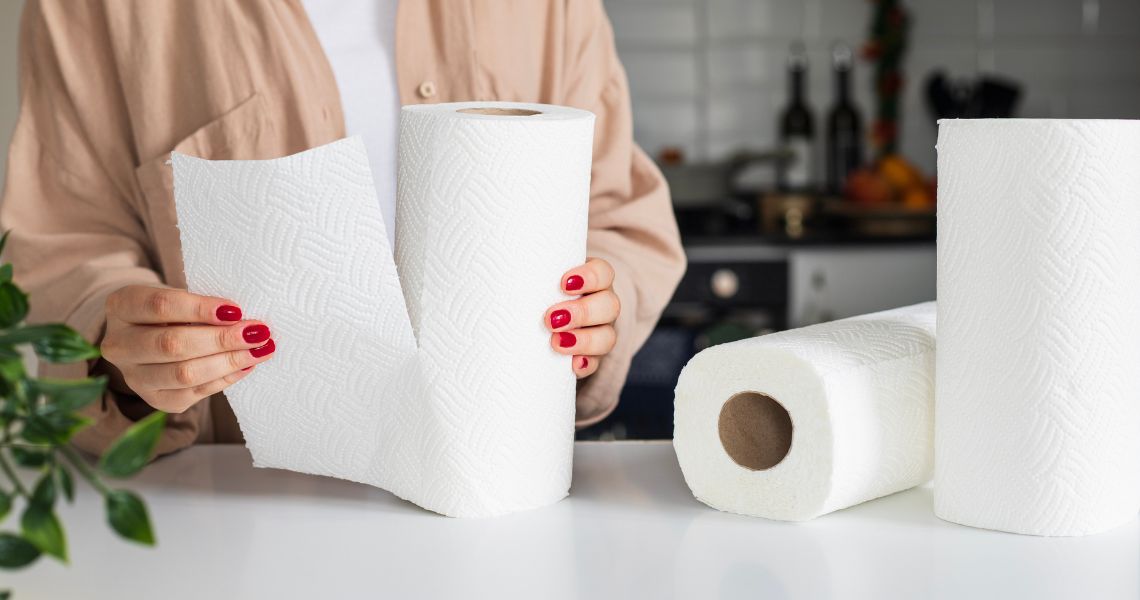
Types of kitchen roll: classic, compact, double roll and recycled
Although they all serve a similar purpose, not all kitchen rolls are the same. The format, the amount of paper or the material they are made from can vary. The following are some of the most common types:
- Classic kitchen roll: the traditional format for everyday use, practical for drying, mopping up liquids or absorbing excess grease and fat from food.
- Compact kitchen roll: contains more paper in a smaller format, so it takes up less space.
- Double-roll kitchen roll: contains more paper than a conventional roll, so it lasts longer and does not need to be replaced as often.
- Recycled kitchen roll: made from recycled fibres and a more sustainable alternative.
How to choose: layers, format, absorbency and strength
When choosing between them, apart from the format, it is important to look at aspects such as absorbency, strength, the number and size of the sheets and the layers.
- Absorbency: with good absorbency we will be able to soak up liquids effectively without using more paper than necessary. It is particularly useful for spills or jobs when we need to soak up a lot of moisture.
- Format: this tells us the number of sheets on the roll and helps us get an idea of how far it can go. Moreover, some formats have a double cut, which means we can use small pieces when we do not need a whole sheet, and therefore avoid waste.
- Strength: this factor is especially important when the paper gets wet, since the stronger it is, the less likely it is to tear or fall apart easily. It is useful for cleaning or drying surfaces when we need the paper to keep its consistency.
- Layers: in general, the more layers there are, the thicker and stronger it will be, so it can be a good option for tasks that require greater absorbency or strength, such as cleaning household surfaces.
How far the roll goes: how to compare the price according to format
To find out how far a kitchen roll will go, we should not look only at its size, but at the number of sheets and format which is normally shown on the packaging. As a tip, comparing the price according to format can help us work out which option is better value, especially when the rolls come in different sizes and formats.
Uses of kitchen roll in and out of the kitchen
Although we mainly associate it with the kitchen, this type of paper can be particularly useful for other small cleaning jobs throughout the home. We can use it to remove grease and oil, wipe splashes from mirrors and glass, dry taps and sinks or clean small marks from furniture and appliances.
We can also put it to other, less common uses, such as protecting a surface when doing crafts or placing a sheet between delicate objects to prevent scuffing and scratching when storing them.
When a cleaning cloth or reusable cloth is better
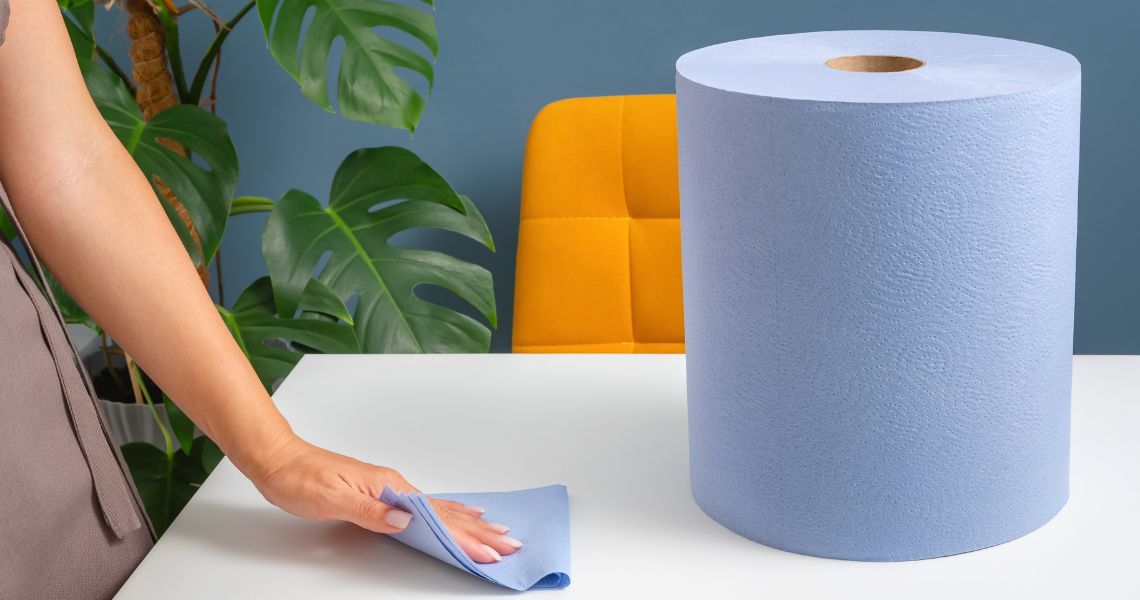
For frequent cleaning tasks or large surfaces, it may be better to use a cleaning cloth or reusable cloth. For example, to clean the worktop, the table or furniture, dry tiles or wipe over several surfaces. That way, we can keep kitchen roll for other jobs when we really need its absorbency or the convenience of a single, disposable use.
Recycled or certified kitchen roll: what to look for on the label
Although kitchen roll is very practical, using it excessively also means generating more waste. For more responsible consumption, we should only use the amount we need and choose options made with recycled fibres or environmental certificates. When buying, it is advisable to check the label and look at the percentage of recycled material and at labels such as FSC, which certify the responsible origin of the fibres used in the product.
Frequently asked questions about kitchen roll
Which kitchen roll absorbs the most?
In general, thicker kitchen roll with more layers is more absorbent. Check the label and choose one with those features.
What are the layers on kitchen roll for?
The layers give the sheet more body and thickness. A greater number of layers will make it more absorbent and stronger.
What does the format of a kitchen roll mean?
The format tells us the number of sheets and it is a useful reference for comparing how far one roll can go compared with another.
What do you think about?
Share comments, opinions and tricks with the Community