

How much does a cat sleep a day? Discover the secrets of feline sleep
Do you wonder how much sleep a cat gets? Learn how much sleep these mischievous felines get according to their age, why they sleep so much and how to improve their rest.

On the sofa, by the window or inside a cardboard box, cats are true experts in finding any corner where they can take a nap. But how much does a cat sleep a day? An adult usually rests between 12 and 16 hours, while kittens and older ones can exceed this amount. Far from their being lazy, this habit responds to their nature and their instincts. Let’s find out the secrets of feline rest and how to improve their naps!
The hunting instinct: why cats need so many hours of sleep
Even if your cat always has a full feeder and does not need to chase mice to get fed, they retain many of the instincts of their wild ancestors. And one of them is the need to save energy for moments of greatest activity.
Felines are predators which, in the wild, alternate periods of rest with periods of intense activity. Stalking, chasing and capturing prey requires considerable physical effort, so sleeping is a way to regain strength.
Moreover, cats are crepuscular animals, which means they tend to show increased activity at dawn and dusk. So, it is not surprising that your cat spends a good part of the day sleeping and, just when night falls, decides that it is the perfect time to run around the house. Nevertheless, their behaviour also adapts to household routines. Many cats modify their activity periods to match their caregivers’ schedules, especially when these include play, food and attention.

How many hours does a cat sleep according to its age? (Kittens, adults and seniors)
If you’re wondering how many hours a cat sleeps, you should know that there is no exact number that works for all of them. Age is one of the factors that most affects the duration of rest, although, personality, environment and state of health also play a role.
- Kittens: up to 20 hours a day
During their first weeks of life, kittens can sleep between 18 and 20 hours a day and even more when they are newborns. Rest is essential for their growth and development. As they get older, they begin to alternate naps with periods of play and exploration.
- Adult cats: between 12 and 16 hours a day
Their rest is divided into numerous naps throughout the day and night. Physical activity, environmental enrichment, and family routines can influence the amount of time they stay asleep.
- Senior cats: between 14 and 20 hours a day
With age, many cats reduce their physical activity and increase the time spent resting. However, getting more sleep cannot always be attributed to age.
In short, how much sleep a cat gets depends on their individual characteristics. The important thing is not only to count the hours, but to know their habits and pay attention to any significant changes..
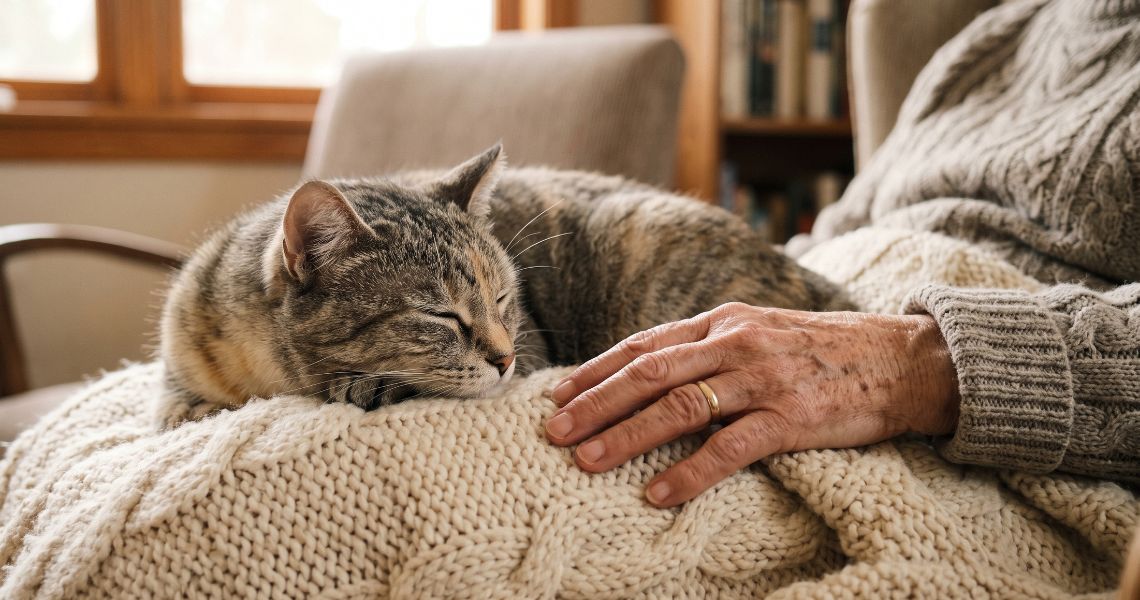
Feline sleep phases: from light lethargy to deep sleep (REM phase)
Have you ever seen your cat sleep with one ear raised or open their eyes as soon as they hear a small noise? Although they may seem sound asleep, they could be in a light sleep phase.
Cats alternate different states of rest from drowsiness to deeper sleep phases.
- Light sleep. An important part of feline rest takes place in this state. Here, the cat maintains some ability to react quickly to stimuli in its environment and it is common to see small movements of the ears, changes in posture or an immediate response when it hears a familiar sound such as the noise of its feeder.
- Deep sleep and REM phase. During the REM phase, small involuntary movements of the legs, whiskers or tail may occur. It is even possible to hear some soft mewing while they sleep. Some studies also suggest that cats are capable of dreaming.
Does race or colour play a role? Myths concerning orange and grey cats
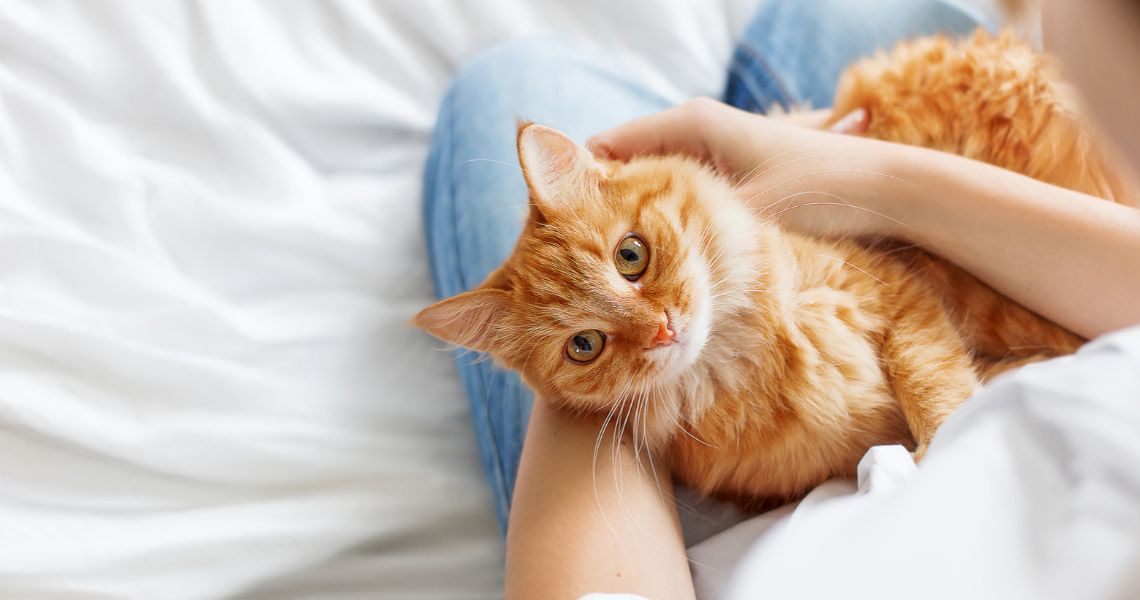
Numerous theories circulate on the internet about the personality of cats depending on the colour of their coat. Orange coloured cats have a reputation for being mischievous and sociable while grey ones are attributed a calmer and more reserved character. But does colour influence their sleep? There is no solid scientific evidence linking coat shade to resting time or a cat’s personality.
And race? Although some have different behavioural tendencies, such as Siamese cats, which are generally more active, or Persians, which have a calm temperament, age, health and environment are factors that are much more determining in their sleeping habits .
Temperature changes: why do they sleep longer in cold months
With the arrival of autumn and winter, cats seem to become even more fond of blankets, radiators and sunny corners. Low temperatures and reduced daylight hours can influence their activity and sleeping habits.
However, not all cats sleep more in winter. Their behaviour depends on the temperature of the home, their daily activity and their preferences, although it is common for them to look for a warm and sheltered place to snuggle. And remember: if your cat sleeps much more than usual, is listless or has lost their appetite, consult a veterinarian.
How to create the perfect resting place for your pet in winter
Now that you know how much a cat sleeps a day, it’s time to ask yourself how to improve the quality of their sleep.
These tips will help you prepare your favourite corner during the colder months.
- Choose a warm, comfortable bed: padded beds, soft blankets and surfaces that insulate from the cold ground are good choices for winter.
- Find a quiet place: place the bed in an area away from drafts, loud noises and places of frequent passage.
- Avail of elevated spaces: many cats love to rest in high places from which they can observe their surroundings.
- Maintain a pleasant temperature: Avoid placing the bed too close to sources of intense heat. If you use thermal pet accessories, check that they are suitable and follow the manufacturer’s instructions.
- Combine rest and activity: although cats sleep long hours, they also need to play, explore and stay active. Environmental enrichment contributes to their physical and mental well-being and helps maintain a balanced routine.
Felines have their own preferences and the ideal thing is to offer them different spaces so that they can choose where to rest.
In other words, sleep is an essential part of cats’ lives and one of the keys to their well-being. For this reason, knowing their habits, respecting their naps and providing them with a safe environment are small gestures that can make a big difference to our feline friends.
What do you think about?
Share comments, opinions and tricks with the Community