

The grapevine lifecycle: the 6 stages of the vineyard, explained
Discover the 6 stages of the grapevine lifecycle: pruning, budburst, flowering, véraison, harvest and its journey to the winery, explained step by step so that you can understand it.

Did you know that wine begins long before it reaches the glass? Its story is written in the vineyard, where nature sets the pace of a process that is repeated every year: the grapevine lifecycle. From the first shoots to the harvest, the plant goes through different stages that are shaped by the climate, the soil, the grape variety and the work of the winegrowers. Knowing about them makes it possible to understand how the fruit develops and why each harvest is unique.
Winter dormancy: the vine rests and is pruned
After the harvest, the vine gets ready for winter. The leaves change colour and fall, the branches become woody and the plant activity slows down until it enters a phase of vegetative dormancy. But even though the vineyard may seem to have come to a standstill, you should know that the vine remains very much alive and stores the reserves needed to begin a new cycle in spring in its roots and woody structures.
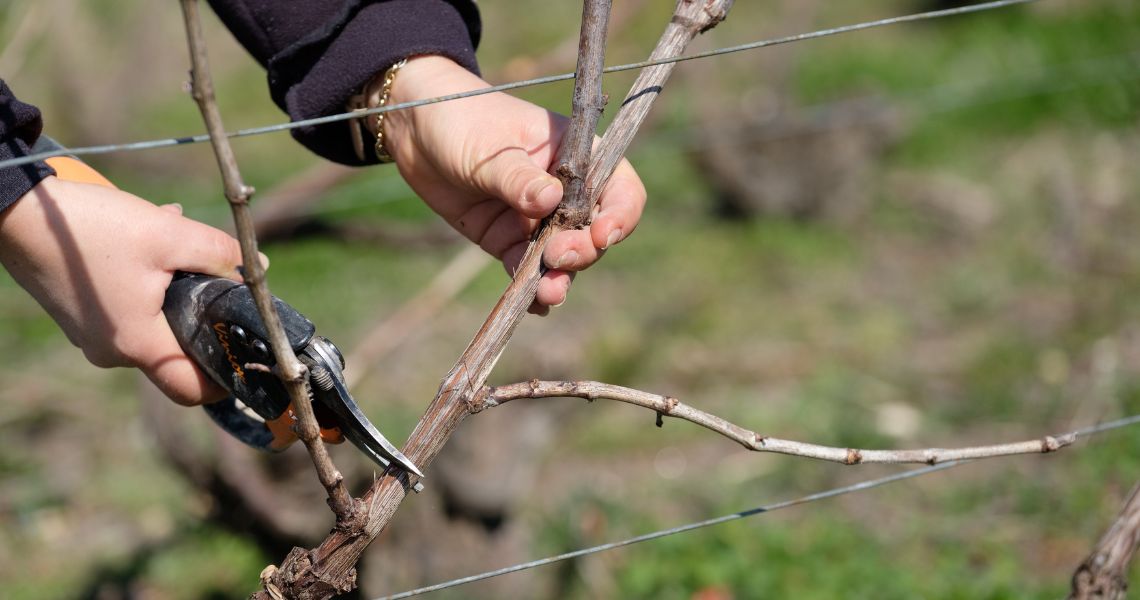
Winter is also pruning time, a fundamental task in which winegrowers select the branches and buds to control growth and balance production. Thus, many of the decisions that will determine the next harvest are made when there is not even a single grape to be seen.
Budburst: the plant awakens in spring
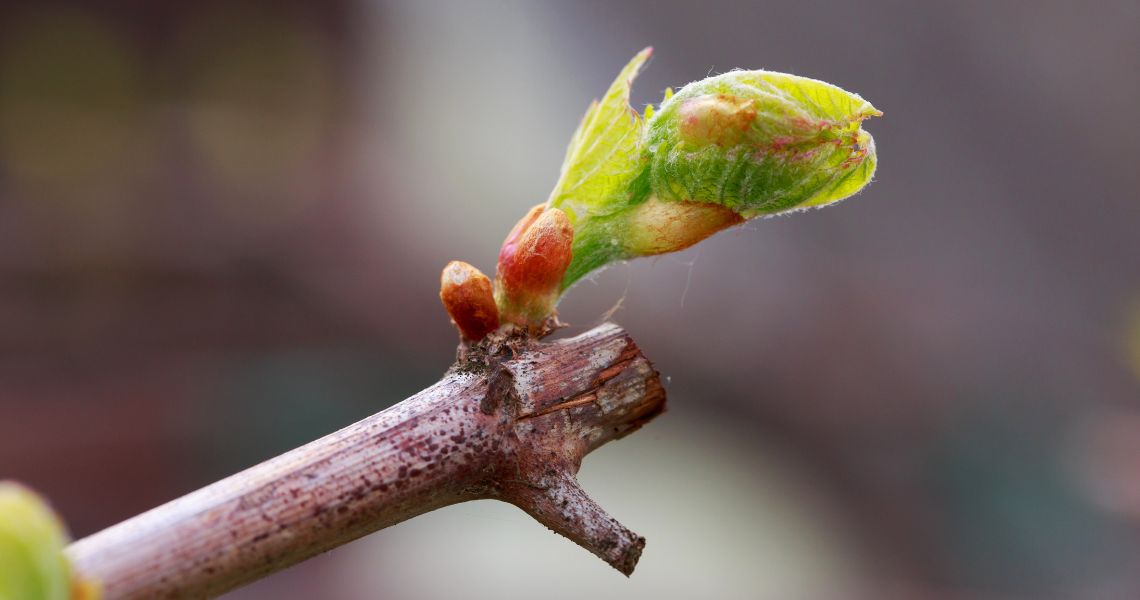
With the arrival of spring, rising temperatures bring the vineyard back to life. The sap begins to flow more strongly and the buds, which had remained protected during the winter, swell until they burst open. The first green shoots then appear, a sign that the plant has begun a new period of growth.
In Spain, budburst usually occurs between March and April, although the timing varies according to the area, the altitude, the weather conditions and the grape variety.
The grapevine shoots develop rapidly and give rise to new green stems, leaves and small inflorescences from which the bunches of grapes will later emerge. During this stage, the vineyard changes in appearance within a matter of weeks and recovers the greenery it had lost during the autumn.
However, this awakening also entails certain risks. Late frosts can damage the delicate young tissues and affect grape production, so winegrowers pay particular attention to how temperatures develop.
Flowering and setting
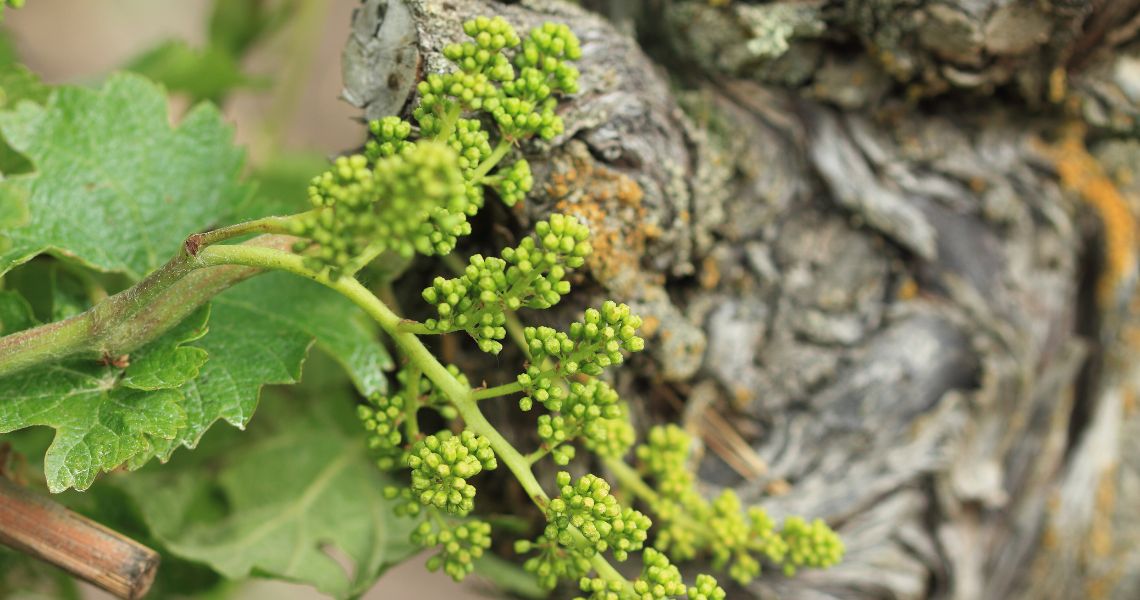
Between May and June, vines begin to flower, and small greenish flowers appear that will eventually give rise to bunches of grapes. After pollination, the fruit begins to set, and some of the flowers turn into small green grapes that gradually grow to form the bunches of grapes.
This is a particularly delicate period as the small grapes are very susceptible to the weather, and rain, wind or unfavourable temperatures can jeopardise development of the fruit. Consequently, flowering and fruit setting can give us the first clues as to what the next harvest will be like.
Véraison: when the grapes change colour
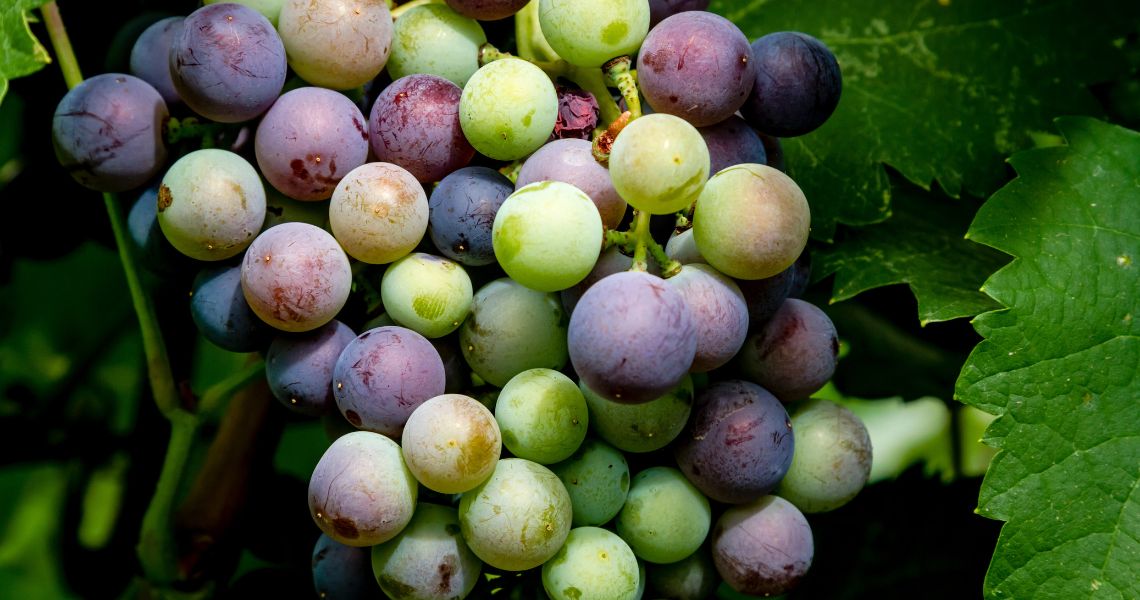
During the summer, vines undergo one of their most visible transformations. This is known as véraison, when the grapes begin to change colour. Red varieties take on reddish or violet tones, while white varieties acquire more yellowish and golden hues.
This change marks the start of the ripening period, a process whereby the grapes accumulate sugars, lose acidity and acquire a softer, juicier texture. The compounds that will confer aromas and flavours to the future wine also develop during this stage.
As ripening does not occur uniformly, it is essential to monitor the vineyard in order to observe how the fruit develops. Véraison thus marks the start of the countdown to harvest.
Ripening and harvest: picking the grapes
During the summer, the grapes continue to ripen, accumulate sugars and develop the aromas and compounds that will determine the profile of the future wine. Choosing the optimum time to harvest them is essential and depends on the variety, the climate and the type of wine to be made.
To decide when to pick the grapes, winegrowers and oenologists analyse the sugar content, acidity and ripeness. In Spain, the harvest usually takes place between the end of summer and autumn, although weather conditions may mean it is earlier or later.
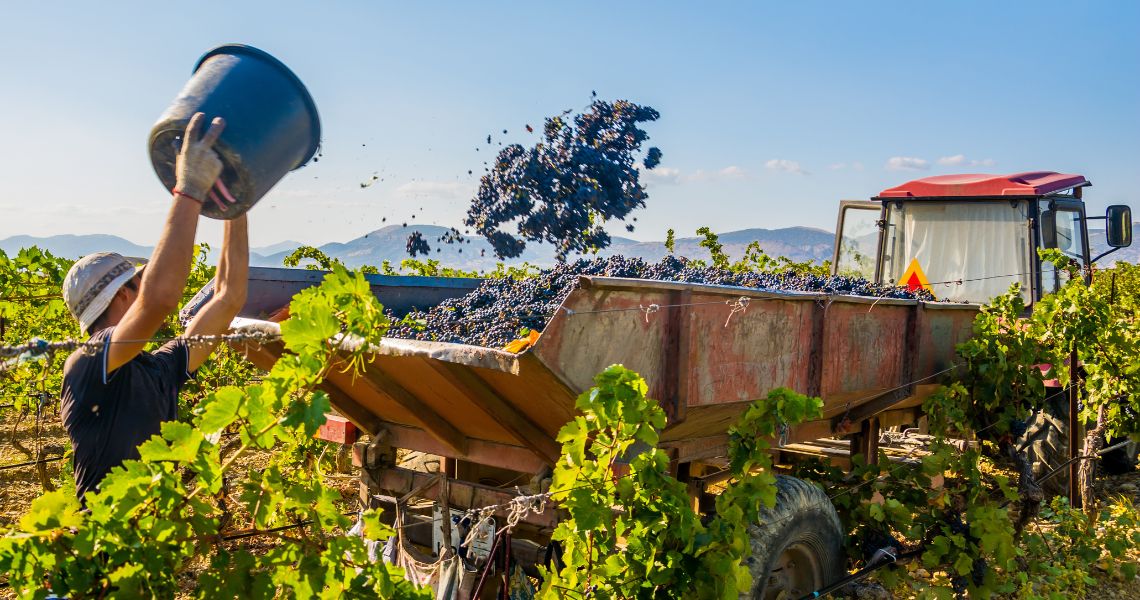
Picking can be manual or mechanised, depending on the terrain, the condition of the grapes and the type of winemaking. In both cases, the aim is to harvest the fruit in the best possible condition and take it to the winery where it will made into wine.
From the vineyard to the winery: what happens after the harvest?
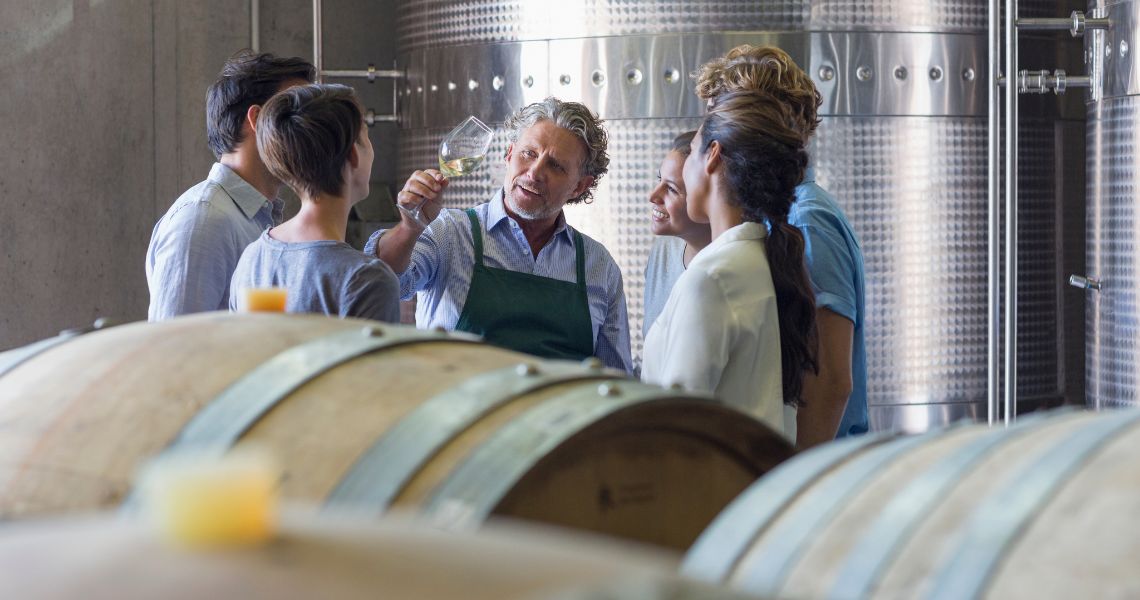
With the harvest, the picking work ends and winemaking begins. In the winery, the grapes are prepared for alcoholic fermentation, the process in which yeasts transform the sugars in the must into alcohol. After that, each wine follows its own path, from young to aged wines, giving way to what we know as the wine life cycle.
Meanwhile, the vineyard continues its natural cycle. After the harvest, the vine accumulates reserves, loses its leaves and enters its dormant vegetative stage again until the following spring. This cycle is repeated every year, but the results are never identical, since the climate, the soil and the work of the winegrowers leave their mark on each year’s wine.
As can be seen, each bottle of wine tells its own story of the landscape, the season and the way of working the land. Knowing the path the grapes follow until they are made into wine is also another way of learning to enjoy it.
What do you think about?
Share comments, opinions and tricks with the Community