

How to clean a mop to avoid smells
How and when to clean and disinfect the mop by hand or in the washing machine, to avoid bad smells, and how often you should replace it.

Knowing how to clean a mop may be more important than it seems. Indeed, if it is not kept in good condition, there can be an accumulation of bacteria, bad smells and it can spread dirt around the whole house instead of cleaning it. With a little simple care and frequent cleaning, we can avoid this. Take note!
How to clean a mop by hand, step by step
There is no need to wait for the mop to show stains or give off a bad smell before giving it a good clean. We recommend rinsing it after every use and more thorough cleaning when dirt builds up.
If you are wondering how to clean a dirty mop, follow these simple steps:
- Remove the dirt. Before you begin, remove any hairs, fluff and debris trapped between the fibres.
- Prepare a bucket with lukewarm water and detergent. Add a small amount of neutral soap or mild detergent, following the mop manufacturer’s instructions.
- Put the mop in and scrub it gently. You can use some gloves to separate the strips and loosen the dirt. If it is especially dirty, leave it to soak for a few minutes.
- Rinse with plenty of clean water. Repeat the process until all traces of soap disappear and the water runs clear.
- Wring out and leave to dry completely. Place the mop in a well-ventilated space, preferably with the fibres spread out and without letting them rest on the bottom of the bucket.
Quick tip: avoid storing the mop in a closed cupboard while it is still damp. Although it may seem an unimportant detail, proper drying is one of the best ways to prevent bad smells.
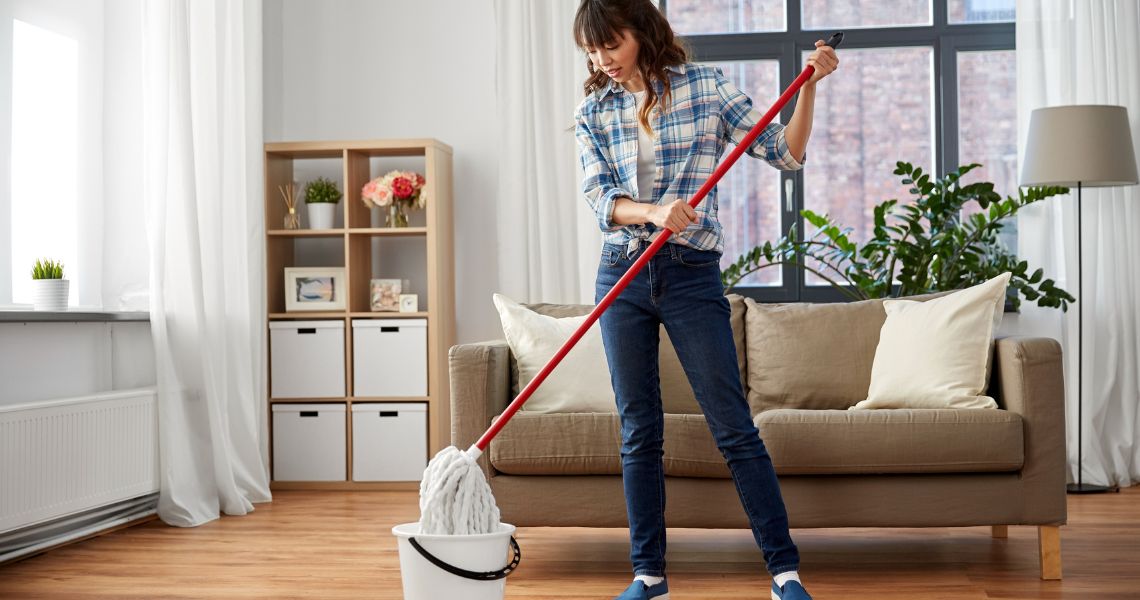
How to wash the mop in the washing machine
Did you know that some mop heads can be washed in the washing machine? It is a convenient alternative for a deeper clean, especially with cloth or microfibre models designed for this type of washing. However, before putting it in the drum, check the manufacturer's instructions, as not all materials can be machine washed.
If your mop is machine washable, take note of the following recommendations:
- Remove the head from the handle and get rid of the most visible dirt.
- Put the mop in a laundry bag to protect its fibres and prevent them from tangling.
- Select a gentle programme and use a small amount of detergent.
- Adjust the temperature according to the manufacturer's instructions. For many microfibre models, washing at 30 or 40 °C is recommended, although some can withstand higher temperatures.
- Avoid using fabric softener, as it can leave residue on the fibres and reduce their absorbency.
- Once the wash has finished, leave the mop to dry completely before using it again.
It is preferable to wash the heads separately and not mix them with personal clothing, especially if they have been used to clean bathrooms, kitchens or outdoor areas.
How to disinfect mops to remove bacteria
Cleaning and disinfecting are not exactly the same. While cleaning removes dirt, grease and a good part of microorganisms, disinfecting reduces microorganisms through the use of specific products.
To disinfect a mop, use a disinfectant suitable for the material it is made from, and always follow the instructions on the label, paying particular attention to the dilution and the contact time. In certain cases, diluted bleach may be used, provided that the mop manufacturer allows it. However, it is not advisable to apply it to all types of fibre, as it can damage some.
Pay close attention to homemade mixtures! Never mix bleach with vinegar, ammonia or other cleaning products, because it can produce toxic gases. Nor is it advisable to use vinegar and lemon as substitutes for disinfectants. Although those products can help with certain cleaning tasks, effective disinfection is not guaranteed.
For everyday maintenance, cleaning with detergent, a good rinse and thorough drying are usually enough. Disinfection can be especially useful, however, when the mop has been in contact with high-risk dirt or when hygiene circumstances require it.
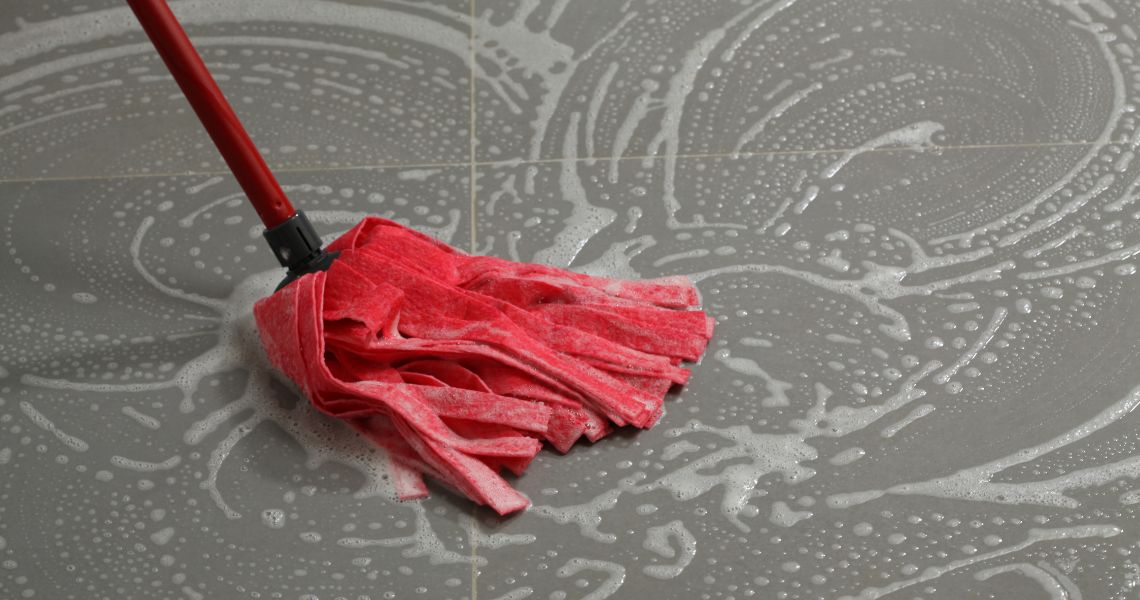
Tips to stop the mop smelling bad
One of the most common problems is that unpleasant smell that appears when you take the mop out of the bucket. Sound familiar? It is generally due to the build-up of damp, organic waste and the bacteria and mould they all leave in the mop fibres.
If you want to know how to clean a mop to avoid smells, take note of the following routine:
- Change the water in the bucket frequently. Mopping the whole house with water with dirt from other parts of the house is simply not effective for cleaning and means that the dirt is left behind on the mop again.
- Rinse the mop after every use. Wringing it out is not enough: it is important to remove as much of the detergent and dirt as possible.
- Avoid leaving it to soak for hours. Keeping the fibres submerged in dirty water encourages bad smells.
- Let it air dry. Find a well-ventilated place and avoid storing the mop while it is still damp. If you leave it in the sun, check that on the label to make sure the sunlight will not damage it.
- Clean the bucket too. There is little point in having an spotlessly clean mop if there is dirt at the bottom of the bucket.
- Use different heads for different rooms. Ideally, keep one for the kitchen and bathrooms, another for bedrooms and living rooms and, if possible, a third for terraces and balconies.
So what if grease builds up on the mop? This is common when cleaning the kitchen floor. In that case, you can use lukewarm water with a degreasing agent compatible with the material, then rinse carefully.
If the smell persists even after washing and drying it properly, it may be time to change the head.

How to clean a microfibre mop without damaging it
Microfibre mops have become a common choice for household cleaning because of their ability to lift up dust, dirt and moisture. However, they do need certain care to keep their properties.
Microfibre is made up of very fine synthetic filaments that help trap dirt particles. Therefore, using products that are too harsh or unsuitable temperatures can jeopardise the effectiveness of the mop.
How do you clean a microfibre mop properly?
- Use cold or lukewarm water and mild detergent, always following the washing instructions.
- Avoid fabric softener, because it can coat the fibres and reduce their effectiveness.
- Do not use bleach unless the manufacturer expressly states that it is compatible.
- Avoid scrubbing with brushes that are too hard, which could damage the filaments.
- Leave to air dry, away from sources of intense heat, such as radiators or tumble dryers at high temperatures.
With this little bit of care, your microfibre mop will retain its absorbency and cleaning power for longer.
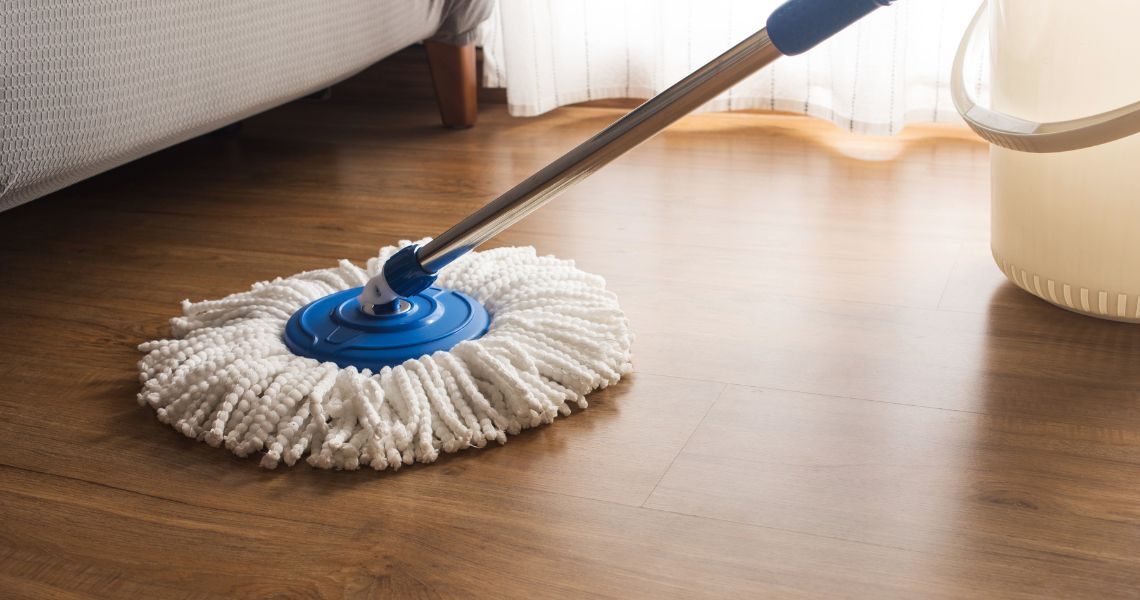
How often should the mop be replaced?
There is no universal expiry date for mops. Their lifespan depends on the material they are made from, how often they are used, the type of floor and, above all, how they are cleaned and looked after.
In a home where the floor is mopped daily, the head will wear out faster than in one where it is used once or twice a week. Therefore, rather than establishing a set time to change it, it is advisable to check the condition.
The following are some signs that it is time to replace it:
- Persistent bad smell: it still smells bad even after a thorough clean and proper drying.
- Deteriorated fibres: the strips are frayed, matted or have lost their absorbency.
- Ingrained dirt: it has residue or stains that do not disappear with regular washing.
- Loss of effectiveness: it leaves traces of dirt, fluff or marks on the floor.
As a guideline, it is advisable to check the condition of the mop head every month, although this does not mean it needs to be replaced monthly. A good-quality mop, well looked after and used correctly, can last considerably longer, so put all these tips into practice to extend its useful life!
What do you think about?
Share comments, opinions and tricks with the Community