

How to clean terrazzo flooring and restore its shine
How to clean terrazzo flooring step by step and restore its shine without damaging it, household remedies, stains, baking powder and mistakes to avoid.

Terrazzo flooring was one of the star features of Spanish homes for decades. Its durability, affordable price and easy maintenance meant it was fitted in thousands of homes and public buildings. Although it was displaced by other materials for a while, it is now back in the spotlight thanks to trends that are bringing back classic, long-lasting finishes.
However, as the years go by it is common for it to lose some of its shine or develop stains that are hard to get rid of. The good news is that cleaning terrazzo flooring is much simpler than it seems. The key is to use the right products, avoid some very common mistakes, and follow a maintenance routine that will protect the surface without damaging it. And if your terrazzo flooring has lost its original shine, there are treatments that can help restore it without having to replace it.
What terrazzo flooring is and why it loses its shine
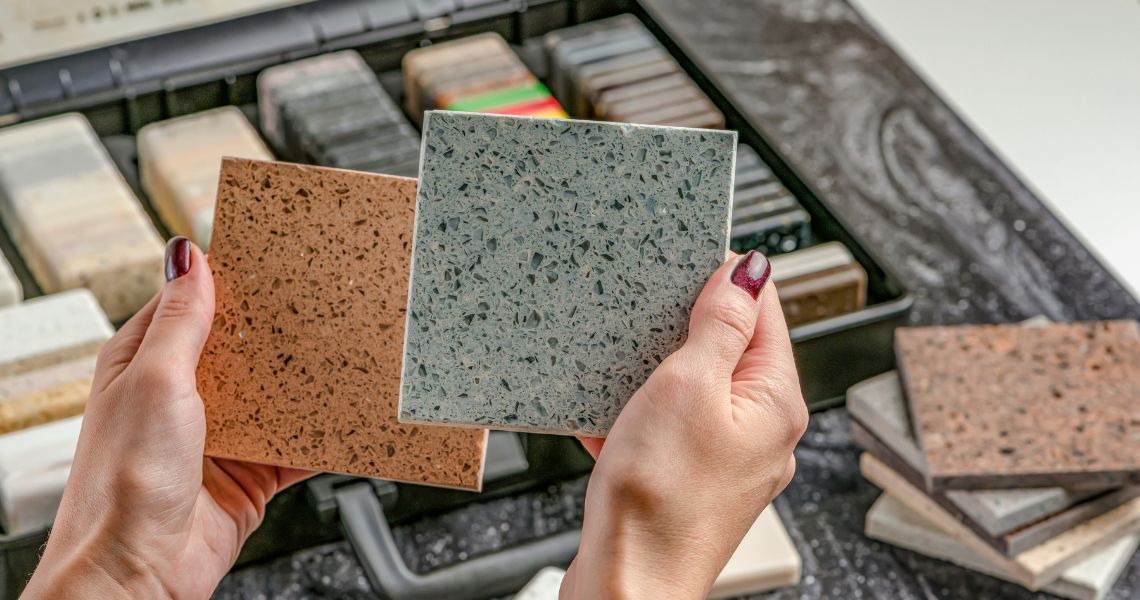
Terrazzo flooring is made from a mixture of cement or resins combined with fragments of marble, granite, quartz or other natural stones. Once it has been made, the surface is polished to achieve a uniform, glossy finish, one of the features that has made it one of the most widely used materials in both private and public buildings for decades.
Its durability is one of its main advantages, but that does not mean it is immune to wear. Constant foot transit, dust or the use of overly harsh cleaning products gradually wear down the surface layer.
In addition, the protective treatment or crystallisation on many older floors that was applied when they were first installed is lost, so the finish gradually looks duller. Other times, the lack of shine is not actually due to wear, but more a build-up of detergent residue, old wax or ingrained dirt.
Therefore, before polishing the floor, it is worth starting with a thorough, deep clean using products that are compatible with this material. Let’s take a look at how to do it!
How to clean terrazzo flooring step by step
When it comes to cleaning terrazzo flooring, less usually means more. Experts recommend avoiding harsh homemade mixtures and opting for gentle but regular cleaning instead.
1. Remove dust and surface dirt
Before mopping, sweep with a soft-bristle broom, or use a dust mop or a vacuum cleaner. This step prevents small grains of sand from scratching the surface of terrazzo flooring when mopping.
2. Prepare a mild cleaning solution
Fill a bucket with warm water and add a few drops of pH-neutral soap or a cleaner specifically designed for terrazzo or natural stone. There is no need to use large amounts of detergent, as soap residue can end up leaving a dull film on the floor.
3. Mop without soaking the floor
Wring out the mop thoroughly before using it. Excess water does not improve cleaning and can actually lead to stains in the joins or leave watermarks as it dries. Mop in even strokes and rinse the mop frequently to avoid spreading dirt around.
4. Rinse if required
A final rinse with clean water is recommended for some specific cleaning products. Always check the manufacturer’s instructions.
5. Let it dry completely
Good ventilation helps prevent marks and speeds up drying. If you want to improve the finish, you can go over the floor with a completely dry microfibre mop once all the moisture has completely dried.
Following this routine once or twice a week is usually enough to clean terrazzo flooring and keep it in good condition for years.
Which products to use (and which ones avoid damage to terrazzo flooring)
Choosing the right product makes the difference between keeping the shine and gradually wearing it away.
Recommended products
To keep terrazzo flooring in good condition, experts advise using:
- Neutral soap.
- Cleaners specifically designed for terrazzo flooring.
- Products designed for natural stone.
- Warm water.
- Microfibre mops and cloths.
These products remove dirt without damaging the surface or altering the finish.
Products that are best avoided
One of the most common mistakes when cleaning terrazzo flooring is reaching for very harsh products, thinking they will give better results.
It is particularly important to avoid:
- Hydrochloric acid.
- Highly acidic limescale removers.
- Bleach as a regular cleaning product.
- Metal scouring pads.
- Very abrasive brushes.
It is also advisable not to use vinegar frequently. Although it is a very popular household remedy for other surfaces, terrazzo often contains calcareous components, such as marble, which can react with acids and lose their shine over time.
Can you use baking powder?
Baking powder can be useful for removing some occasional stains, but it should not be used as a regular product for cleaning the whole house. It is best to make a paste with baking powder and a few drops of water, apply it only to the stain for a few minutes, and then wipe it off using a damp cloth, without scrubbing hard. This reduces the risk of scratching the terrazzo flooring or altering its finish.
How to get rid of stains from terrazzo according to type
Although terrazzo flooring is a very hardy material, some substances can penetrate the surface if not cleaned off in time. Acting quickly is essential to prevent stains becoming permanent and requiring harsher treatments.
Grease stains
Oil or grease splashes are common in kitchens. To remove them, mix a few drops of a mild degreasing soap with warm water in a container and pour it over the stain. Wait a few minutes before going over it with a microfibre cloth or a mop, well wrung out.
If the stain persists, use a natural-stone cleaner that is compatible with terrazzo. Avoid strong solvents, as they can damage the finish.
Coffee, wine or soft drink stains
These drinks contain pigments that can leave marks if left on the floor for too long. The best approach is to blot them up immediately with absorbent paper, without spreading the liquid, and then clean the terrazzo flooring with water and pH-neutral soap.
Rust stains
Rust usually appears when damp metal objects are left on the floor for a long time. In these cases, it is best to use a stain remover specifically designed for natural stone. Traditional acidic products can be effective against rust, but they can also damage terrazzo flooring, so they are not recommended.
Paint
If the paint is still wet, simply wiping it off with a damp cloth will be enough. Once it has dried though, it is best to use a specific product, always following the manufacturer’s instructions and testing it first on a less visible area.
How to bring back the shine to terrazzo flooring
Over the years, it is normal for terrazzo flooring to lose some of its shine, especially in high transit areas. Before considering professional polishing, it is worth trying a few maintenance solutions.
The first step is to make sure the floor is really clean. In many cases, the dull surface is simply down to a build-up of detergent residue, dust or old wax.
Once it is clean and completely dry, you can apply a specific terrazzo flooring wax or a polish designed for this type of flooring. These products create a protective film that improves the appearance of the floor and helps slow down wear.
It is important to spread it evenly with a clean dust mop and to respect the drying time indicated by the manufacturer. Applying more than necessary will not make the floor shine more and can, in fact, leave marks or an uneven finish.
If, despite everything, the finish on the terrazzo flooring still looks dull, the problem is probably no longer related to cleanliness, but more to do with wear.
How to polish and crystallise terrazzo flooring
When terrazzo has deep scratches, heavily worn areas or has completely lost its shine, the most effective treatment is polishing.
This process involves lightly grinding down the surface layer using specialist machinery and different coarseness abrasive discs. The aim is to remove small imperfections and leave the floor completely even.
After polishing, many professionals crystallise the surface. This is a treatment that increases shine and improves resistance to everyday wear using specific products and rotary machines.
Although home kits exist, both polishing and crystallisation require experience to achieve an even finish. For large or heavily worn surfaces, it is best to call in a specialist company.
How to maintain terrazzo: sealing and regular care
The best ally for keeping terrazzo flooring shiny is regular maintenance. A few simple habits can prevent much more expensive work in the future.
The following are a few tips that help extend the life of the flooring, which you can start putting into practice today:
- Sweep or vacuum frequently to remove sand and small particles from the surface that could scratch it.
- Always use pH-neutral soap or specific cleaners to clean terrazzo flooring.
- Place doormats at entrances to reduce dirt brought in from outside.
- Protect the legs of tables, chairs and furniture with adhesive felt pads.
- Avoid dragging or scraping heavy objects directly across the floor.
- Clean up any spilled liquid as soon as possible to stop it leaving a stain.
- If the flooring has a protective seal, renew this treatment whenever recommended by the manufacturer or a professional.
Remember that, in the end, consistency is more effective than occasionally resorting to aggressive cleaning products.
How to clean outdoor terrazzo flooring
Terrazzo flooring in patios, terraces or gardens has to withstand much harsher conditions than indoor flooring. Rain, sun, pollution, leaves or mud all encourage dirt to build up, and this obviously speeds up wear.
To clean outdoor terrazzo flooring, start by removing any leaves, sand and soil with a soft-bristled broom or a low-pressure hose. Then mop the surface with warm water and pH-neutral soap using a mop or a non-abrasive brush.
If stains caused by damp, organic matter or pollution appear, use an outdoor cleaner specifically designed for terrazzo flooring. Again, always avoid highly acidic or corrosive products, as they can damage the finish and reduce the shine.
Once dry, applying a sealant or a wax designed for outdoor flooring can help keep terrazzo flooring in better condition for longer. It will also make future cleaning easier.
With a simple maintenance routine, you can keep terrazzo flooring in good condition for decades. After all, it is one of the most hard-wearing types of flooring available, and as you can see, keeping it looking clean and shiny is simple — it just needs a little care!
What do you think about?
Share comments, opinions and tricks with the Community